



The Overture to the Monsoon
June in Darjeeling isn’t about the crisp, clear panoramas of autumn. It’s something far more atmospheric. This is the month when the Queen of the Hills performs her great transition, shifting from the tail end of a mild spring to welcome the first dramatic
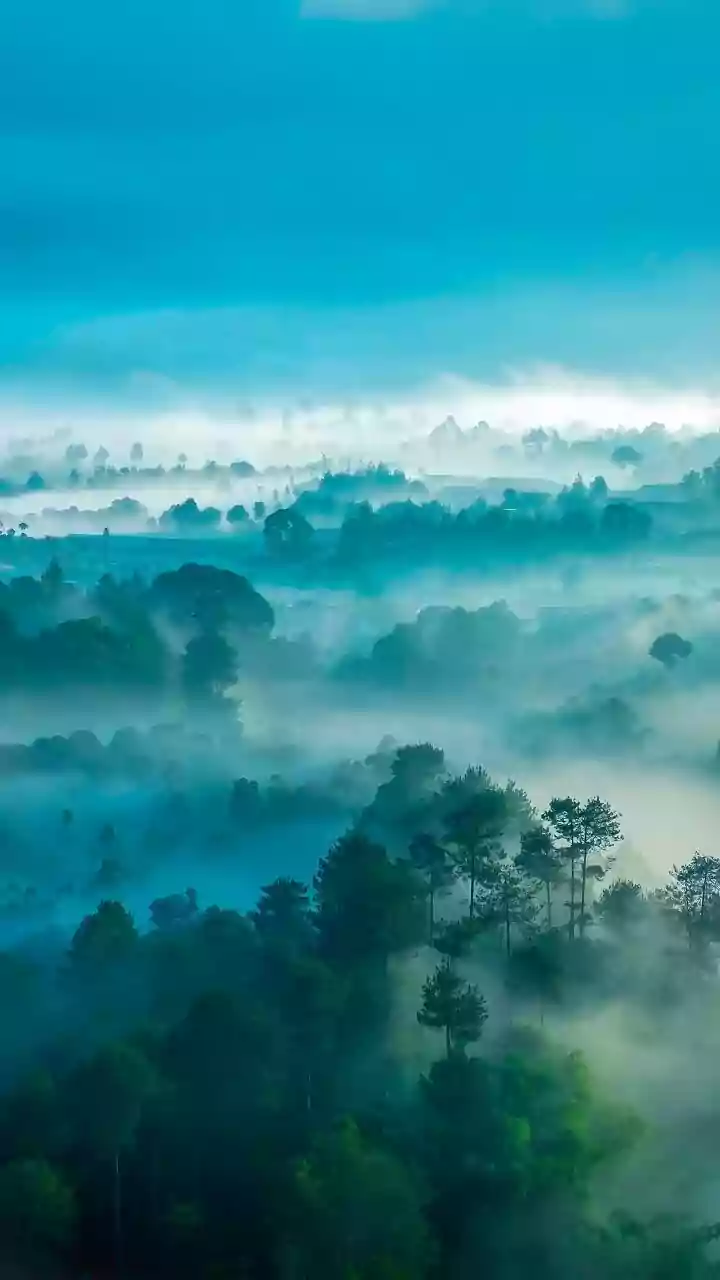
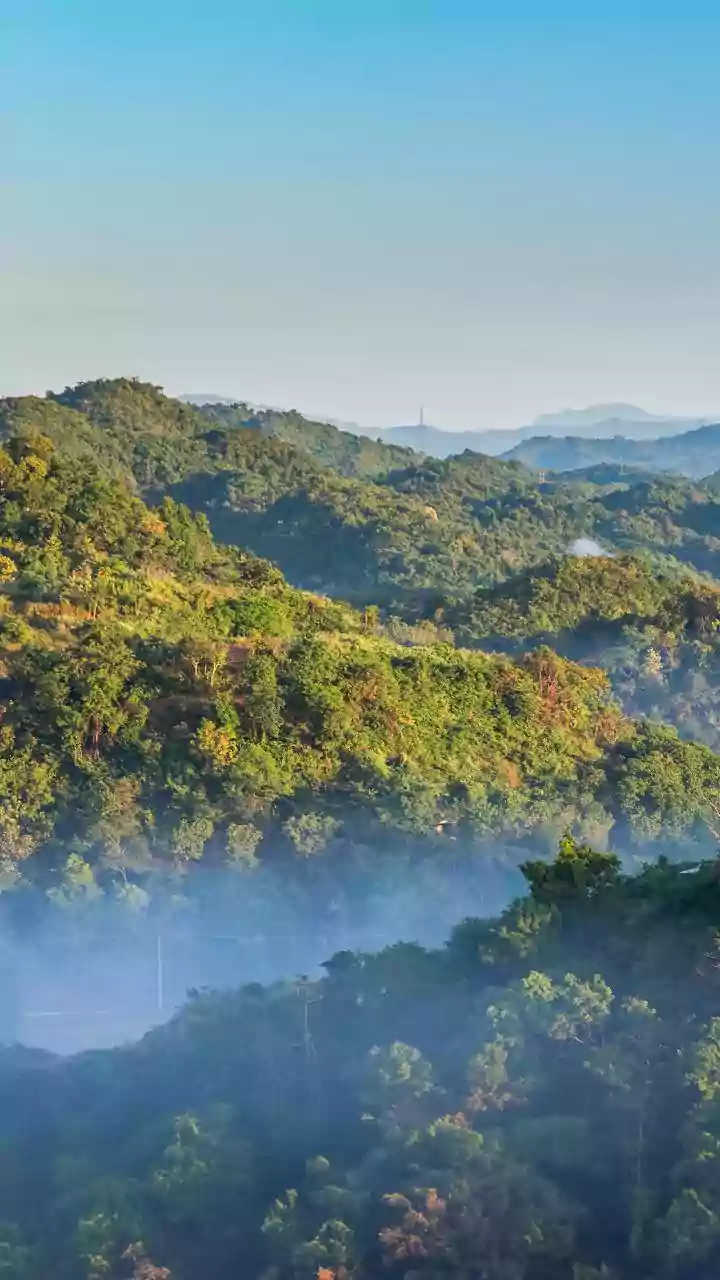
rains of the monsoon. The weather becomes a character in itself. The air, having shed the last of winter’s bite, settles into a comfortable coolness, rarely demanding more than a light jacket. Mornings can dawn with a surprising clarity, offering a fleeting, golden-hour glimpse of the world, but the afternoons belong to the clouds. They don't just hang in the sky; they roll through the streets, wrapping around the colonial-era clock tower and seeping into the pine forests. This isn't gloomy, oppressive weather. It’s a soft-focus filter applied to the entire landscape, a gentle hush that encourages you to slow down, find a window seat, and simply watch the world change.
A Landscape Painted in Green
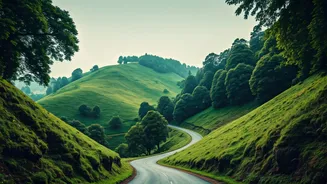
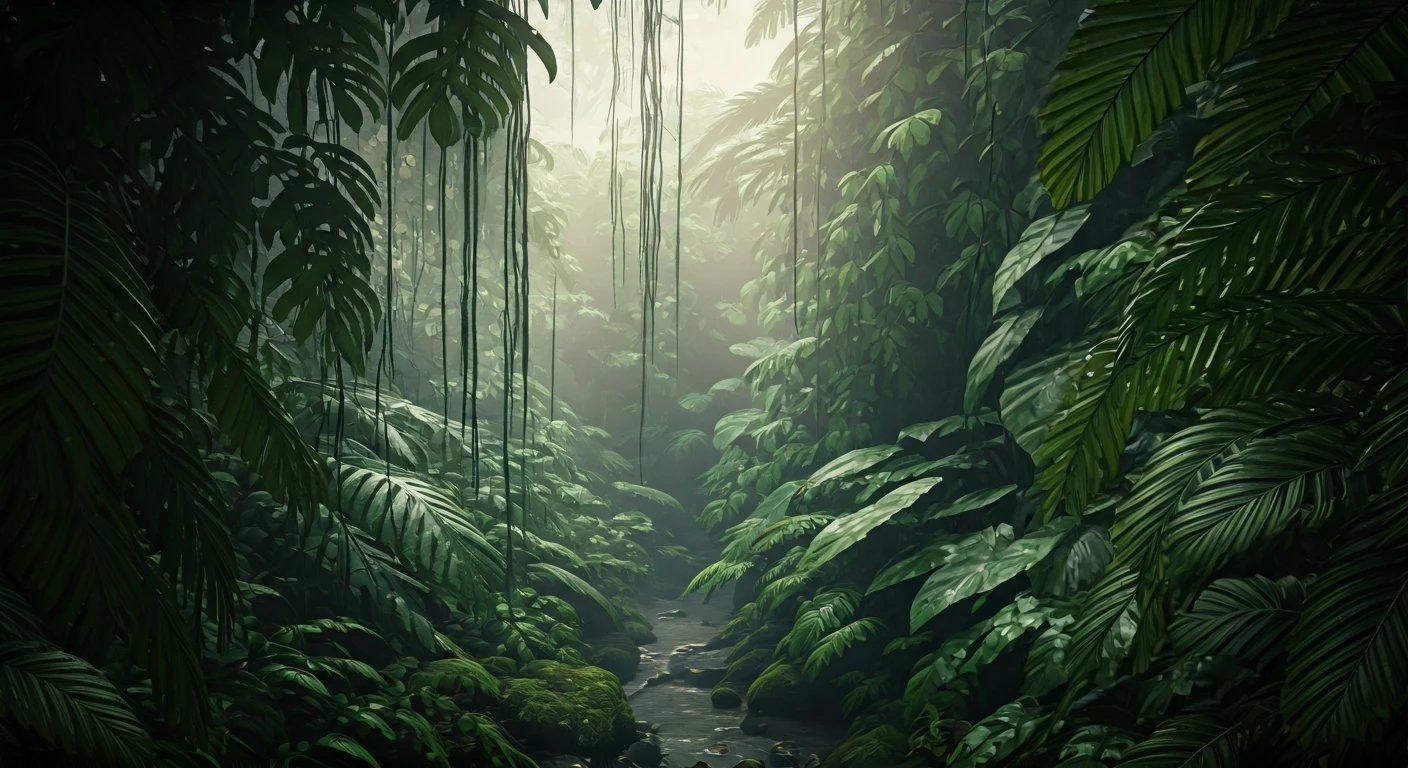
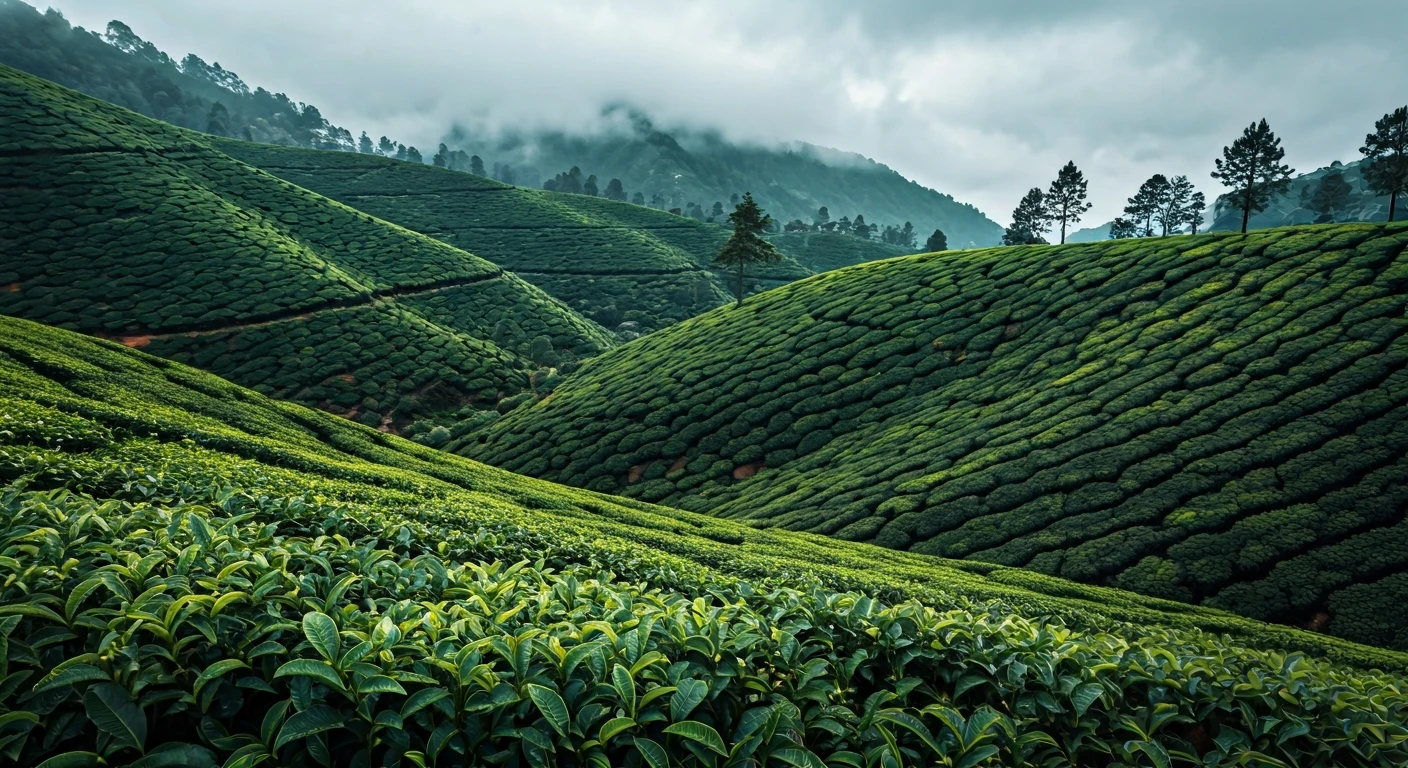
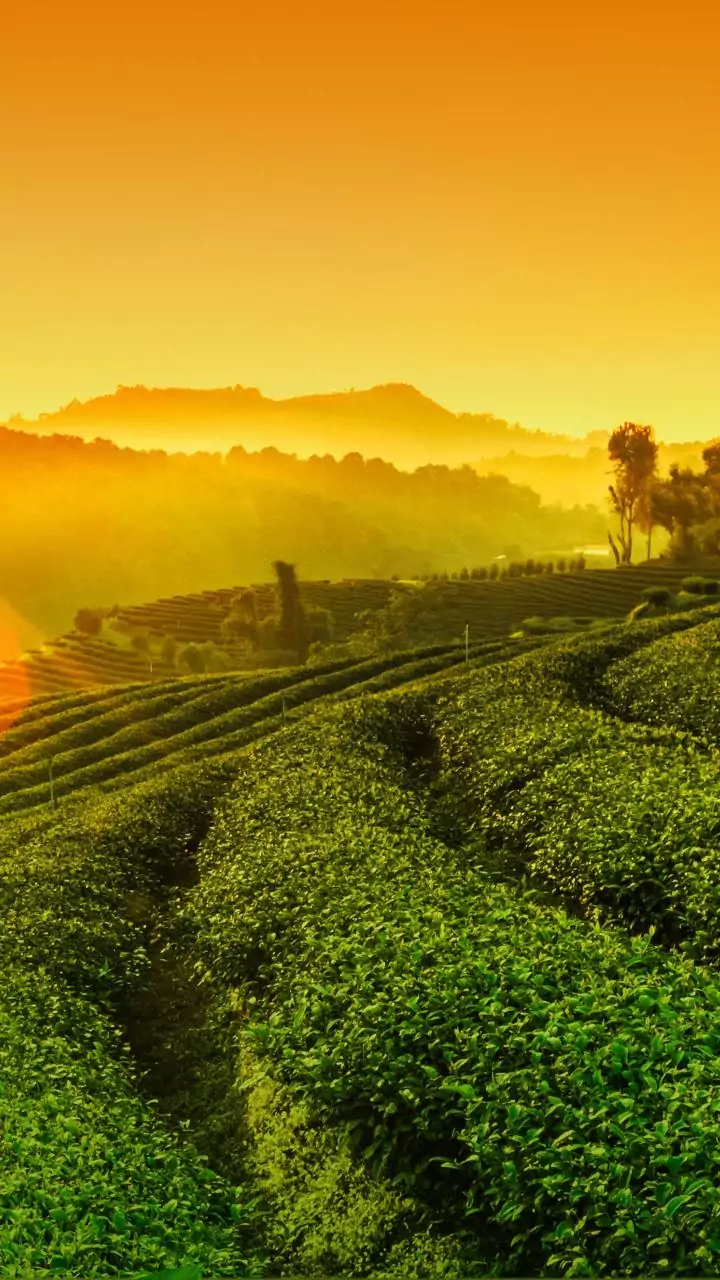
If Darjeeling has a signature color in June, it is an impossible, vibrant green. The early monsoon showers act as a supercharger for the landscape. The iconic tea gardens, which blanket the rolling hillsides in every direction, become almost fluorescent in their lushness. The tightly packed tea bushes of estates like Happy Valley or Glenburn look plump and saturated, their new leaves glistening with moisture. This is the peak growing season, and the visual effect is stunning. It’s a green that feels alive and electric. Driving along the winding roads, you’ll see waterfalls, temporary and wild, cascading down rock faces that were dry just weeks before. Wildflowers burst from retaining walls, and the dense forests that climb the slopes feel ancient and secretive under the misty canopy. It’s a postcard of pure, unadulterated nature at its most verdant.
The Elusive Majesty of Kanchenjunga
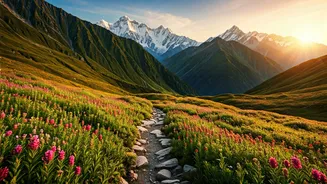
Travelers who visit in October and November come with the expectation of seeing Kanchenjunga, the world's third-highest peak, dominating the horizon. In June, the mountain plays a different game: hide-and-seek. The dense cloud cover means the full, uninterrupted panoramic view is rare. But this scarcity makes a sighting all the more magical. You might be sipping tea on the Chowrasta Mall when, for a breathtaking ten minutes, the clouds part like a theater curtain, revealing a snow-dusted, colossal peak floating in the sky. The sight is so sudden and so immense that it feels like a private gift from the mountains. The mist doesn't obscure the view; it curates it. It directs your focus, creating dramatic, fleeting compositions that feel more personal and profound than a static, picture-perfect vista. The postcard from June isn't the mountain itself, but the heart-stopping moment of its reveal.
The Cozy Comforts of the Hills
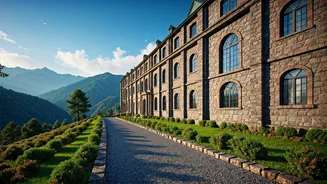
The true magic of Darjeeling’s June weather is how it enhances the town's cozy, colonial charm. When the mist rolls in, the natural response is to retreat somewhere warm, and Darjeeling is filled with perfect refuges. It's the ideal excuse to duck into Glenary’s, a heritage bakery and café, for a hot chocolate and a window seat overlooking the misty valley. It’s the perfect weather for savoring a 'first flush' brew from a local estate, its delicate flavors feeling like a liquid antidote to the damp air. The fog softens the edges of the British-era architecture—the stone churches, gabled cottages, and the grand Windamere Hotel—making them look like illustrations from a classic storybook. The rhythmic drumming of rain on a tin roof becomes the soundtrack to your afternoon, and the simple act of being warm and dry while the world outside is washed clean feels like the ultimate luxury.