




Meet the Contender
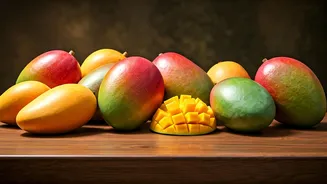
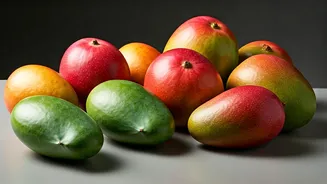
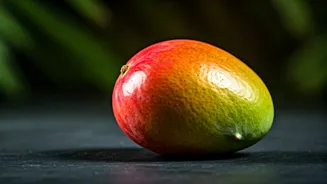
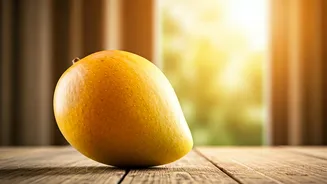
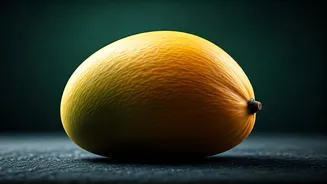
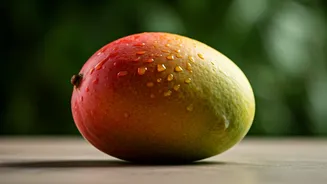
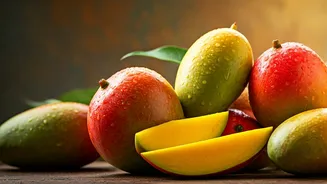
Enter the Himsagar, a mango variety that, for its fans, is not just a fruit but an entire season of joy compressed into a glorious, golden-green package. Hailing primarily from West Bengal in India, the Himsagar is the stuff of legend. Unlike the more
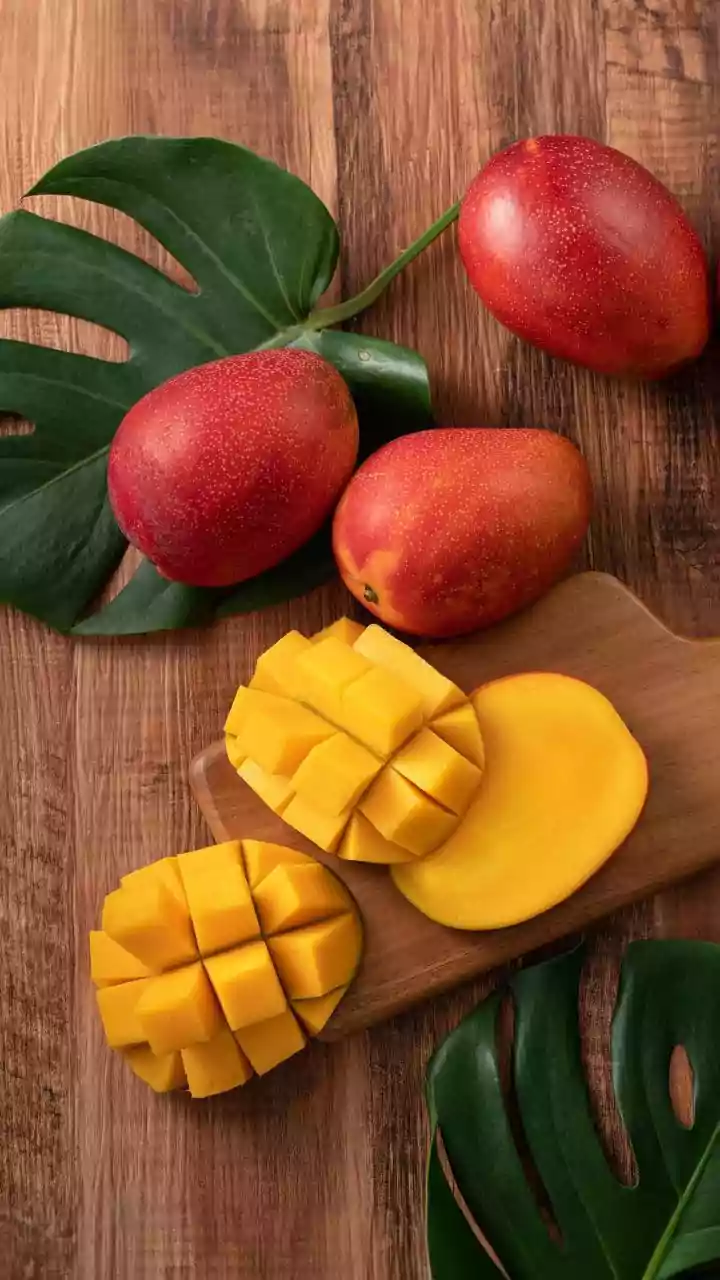
common fibrous varieties that can leave you picking strings from your teeth for hours, the Himsagar is exceptionally smooth and completely fiberless. Its flesh is a deep, luscious orange, with a texture often described as buttery or custard-like. The flavor profile is a masterclass in balance: intensely sweet without being cloying, with a rich, floral aroma that perfumes a room before you even slice it open. For those who grew up with it, the arrival of Himsagar season in late spring is a momentous occasion, a brief, delicious window between May and June when everything feels right in the world.
The Great Mango Rivalry
You can't talk about Himsagar without mentioning its archrival: the Alphonso. If Himsagar is the beloved regional hero of the east, the Alphonso is the globally recognized celebrity from the west, specifically the state of Maharashtra. Often marketed as the “King of Mangoes,” the Alphonso is prized for its perfect shape, uniform saffron color, and a flavor that is both sweet and tangy. This is the mango you’re most likely to have seen name-dropped on a fancy dessert menu. The debate between Himsagar and Alphonso loyalists is one of Indian food culture’s most passionate, yet friendly, rivalries. Alphonso fans praise its complex, almost citrusy notes and firm texture. Himsagar devotees, in turn, will argue that the Alphonso is all marketing, and that their champion offers a purer, sweeter, and more profound mango experience. To pick a side is to declare an allegiance not just to a taste, but to a region and a philosophy of what a mango ought to be.
A Taste of Nostalgia
For the South Asian diaspora, particularly for Bengalis living in the United States, the Himsagar is more than just a superior fruit. It’s a powerful taste of home and a vessel for nostalgia. It’s the flavor of childhood summers, of grandparents carefully slicing the fruit, of family gatherings where piles of mango skins and seeds were the only evidence of the feast. The annual quest for Himsagar is a way to reconnect with that heritage. Because of the fruit’s delicate nature and incredibly short shelf life, finding fresh Himsagar mangoes in the U.S. is a difficult and expensive proposition. They rarely survive the long journey intact, making each one that does a treasured prize. This scarcity only adds to its mystique and desirability, turning a simple fruit into a cultural touchstone.
The Hunt for Himsagar in America
So, how can an aspiring mango connoisseur in the U.S. get in on the action? The reality is, it's a challenge. While some specialty South Asian grocery stores manage to import a small, precious batch of fresh Himsagars during the season, they are sold at a premium and disappear almost instantly. For most people, the most accessible way to experience its unique flavor is through canned Himsagar pulp. This pulp, used for making smoothies, lassis, and desserts, captures the essence of the fruit’s sweetness and aroma. While purists will tell you nothing compares to the fresh fruit, the pulp offers a fantastic introduction. It allows you to understand why people are so obsessed and to finally taste what one side of the great mango debate is fighting for. Seeking it out in any form is a rite of passage for any serious fruit lover wanting to expand their palate beyond the supermarket basics.