


More Than Just a Meal
First, let’s define the term. “Functional foods” are products that offer health benefits beyond basic nutrition. Think orange juice fortified with Vitamin D, yogurt packed with probiotics, or oatmeal that actively lowers cholesterol. In the West, this
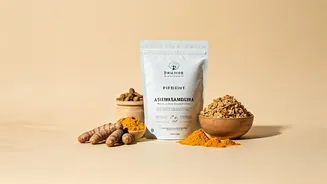
often feels like a modern, lab-driven invention. But in India, the core concept—that food is medicine—is as old as Ayurveda. Spices like turmeric (for inflammation), ginger (for digestion), and herbs like ashwagandha (for stress) have been cornerstones of Indian wellness for centuries. The current trend isn’t about inventing this idea, but rather about modernizing and scaling it for a new generation. It’s the difference between a grandmother recommending a pinch of turmeric in warm milk and a startup selling a slickly packaged, ready-to-drink golden latte with a guaranteed curcumin content.
The New Health-Conscious Consumer
So why is this happening now? The shift is being driven by a perfect storm of social and economic factors. India's rapidly growing middle class has more disposable income and a greater awareness of global wellness trends, often accessed through social media. The COVID-19 pandemic acted as a massive catalyst, accelerating a nationwide focus on immunity and preventative health. Suddenly, concepts like gut health, plant-based protein, and micronutrient deficiencies entered the mainstream conversation. Consumers are no longer just looking for taste and affordability; they’re demanding nutritional value. This new Indian shopper reads labels, understands the difference between marketing claims and real ingredients, and is willing to pay a premium for foods that promise to make them stronger, sharper, and more resilient.
What's on the Modern Indian Plate?
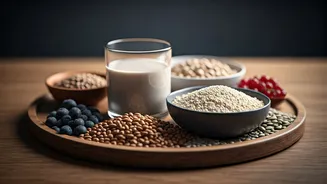
This trend is most visible in the clever adaptation of traditional foods. Instead of trying to introduce entirely alien products, companies are enhancing the staples Indians already love. Your everyday chapati, made from wheat flour (*atta*), can now be purchased fortified with extra protein and fiber. Ancient grains like millet and ragi, once considered humble rural fare, are being rebranded as superfoods and appearing in everything from breakfast cereals and pancake mixes to gourmet cookies. Dosa and idli batters are being infused with oats and quinoa. Snacks, a massive market in India, are getting a functional makeover, with baked lentil chips replacing fried potato crisps and protein bars becoming a common sight in urban convenience stores. Even dairy is evolving, with probiotic-fortified *lassi* (a yogurt drink) and plant-based milks gaining shelf space next to traditional cow’s milk.
A Multi-Billion Dollar Opportunity
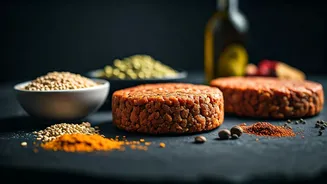
For food companies, both legacy giants and nimble startups, this shift represents a colossal opportunity. India’s functional food market is already valued in the billions and is projected to grow significantly. Startups are attracting venture capital by creating plant-based meats tailored to Indian palates, developing sugar-free versions of beloved sweets, and engineering snacks that cater to specific health needs like diabetes management. Large multinational corporations are reformulating their existing product lines to meet the new demand for “clean labels” and added nutritional benefits. This isn't just a niche, urban phenomenon anymore; it’s a fundamental reshaping of one of the world's largest food economies, influencing agricultural choices, supply chains, and the very definition of a healthy Indian diet.