



The Nutritional Powerhouse
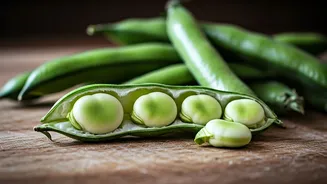
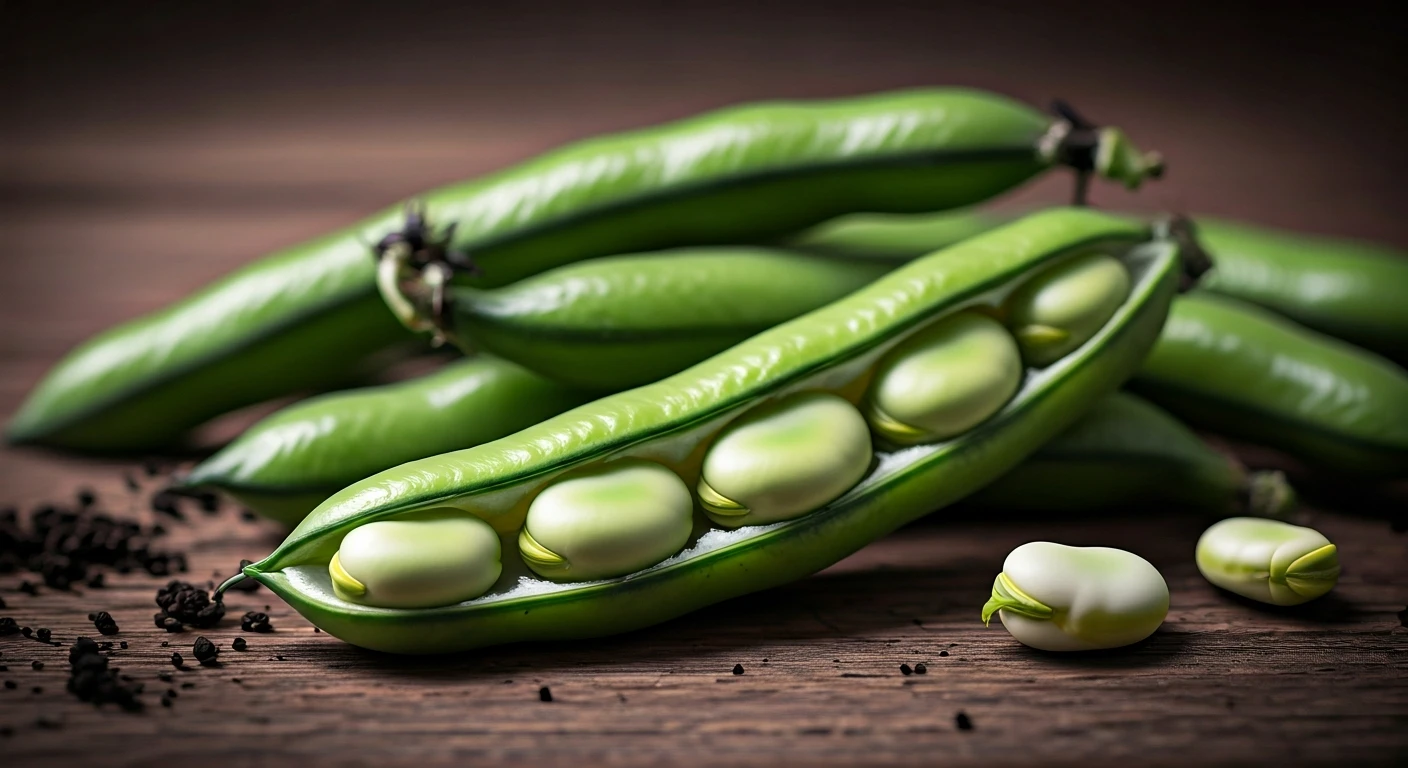
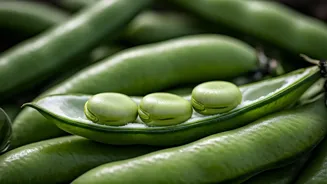
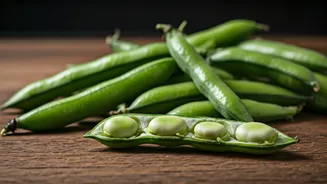
First, let's talk about what makes fava beans, also known as broad beans, a wellness superstar. The headline doesn’t lie: they are packed with protein. A single cup of cooked fava beans delivers around 13 grams of plant-based protein, making them a substantial
addition to any meal, especially for vegetarians and vegans. They’re also an excellent source of dietary fiber, which aids in digestion and promotes a feeling of fullness. But their benefits don't stop there. Favas are loaded with essential nutrients like folate, which is crucial for cell growth and metabolism, as well as manganese, copper, and magnesium. This impressive nutritional profile makes them more than just a pretty face; they are a genuinely powerful ingredient for fueling your body. It is important to note, however, that fava beans can trigger a serious condition called favism in people with a specific genetic enzyme deficiency known as G6PD deficiency.
An Ancient Food's Modern Comeback
While fava beans might seem like a new and trendy ingredient, they are one of the oldest cultivated plants in human history. With origins tracing back thousands of years to the Mediterranean and Middle East, they were a dietary staple for ancient civilizations in Egypt, Greece, and Rome long before pasta or potatoes became common fare. For centuries, they were a reliable source of sustenance, valued for their hardiness and nutritional value. So why the sudden resurgence? Like many heritage ingredients, fava beans are being rediscovered by a new generation of chefs and home cooks. Their comeback is part of a larger movement towards plant-forward eating, celebrating whole foods, and exploring the rich history of our global pantry. They represent a perfect blend of rustic tradition and modern culinary curiosity.
What Makes Them 'Feed Gold'
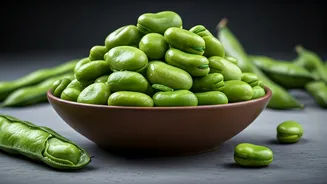
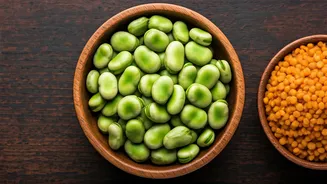
The phrase “recipe feed gold” points directly to visual appeal, and fava beans deliver in spades. Their most striking feature is their brilliant, almost electric green color, which appears after they are blanched and their thin outer skin is removed. This pop of color instantly makes any dish look more vibrant, fresh, and appetizing—a key factor for success on platforms like Instagram and Pinterest. Beyond their looks, fava beans boast a sophisticated flavor and texture. They are buttery and creamy with a slightly sweet, nutty taste that is far more delicate than many other beans. This versatility allows them to be the star of a dish, like in a simple fava purée, or a complementary player that adds texture and flavor without overpowering other ingredients. Their unique qualities make them a favorite of chefs looking to add an element of elegance and surprise to their menus.
How to Easily Use Fava Beans
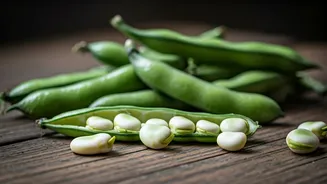
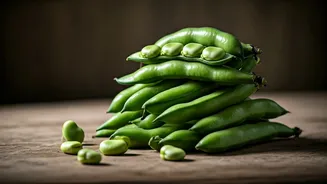
Preparing fava beans does require a little effort, but the payoff is worth it. Fresh favas come in a large, puffy pod. First, you remove the beans from the pod (shelling), then you briefly boil them (blanching) and shock them in ice water. Finally, you slip off the pale, waxy skin from each individual bean to reveal the bright green jewel inside. It’s a meditative process that connects you to the food. Once prepped, the possibilities are endless:
- On Toast: Lightly smash the blanched favas with olive oil, lemon juice, mint, and a pinch of salt. Spoon over toasted sourdough, with or without a layer of fresh ricotta.
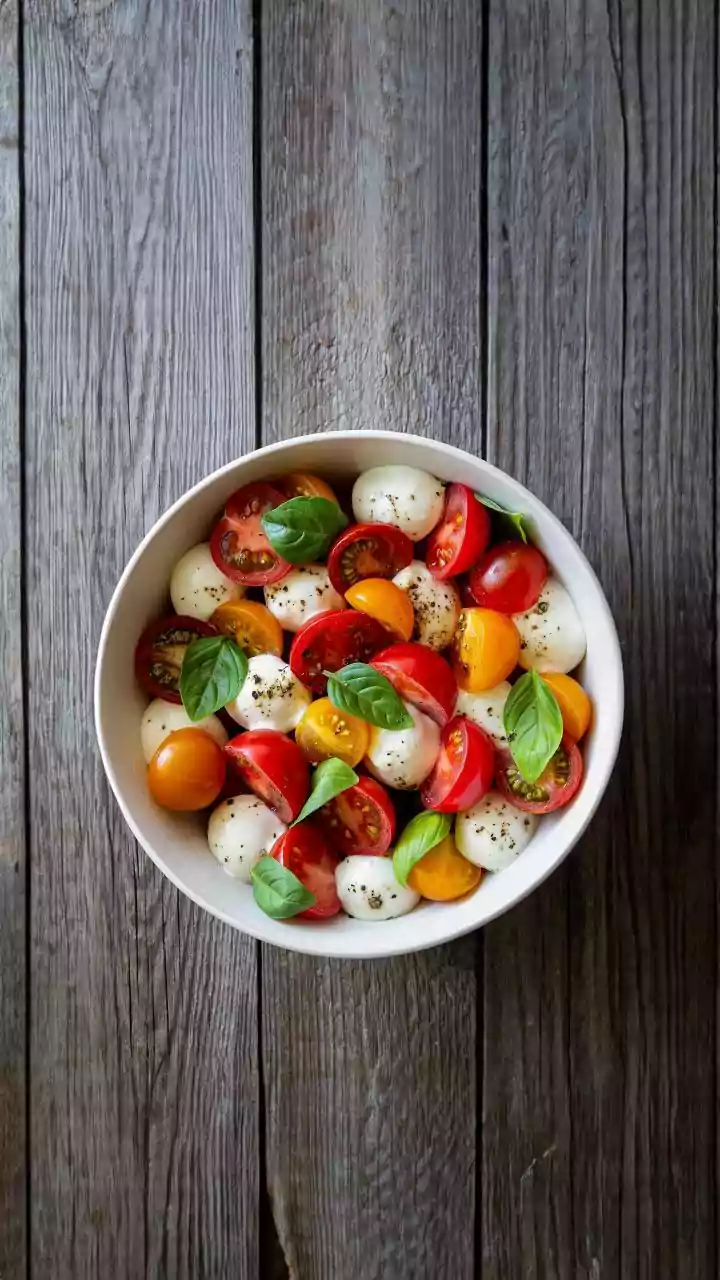
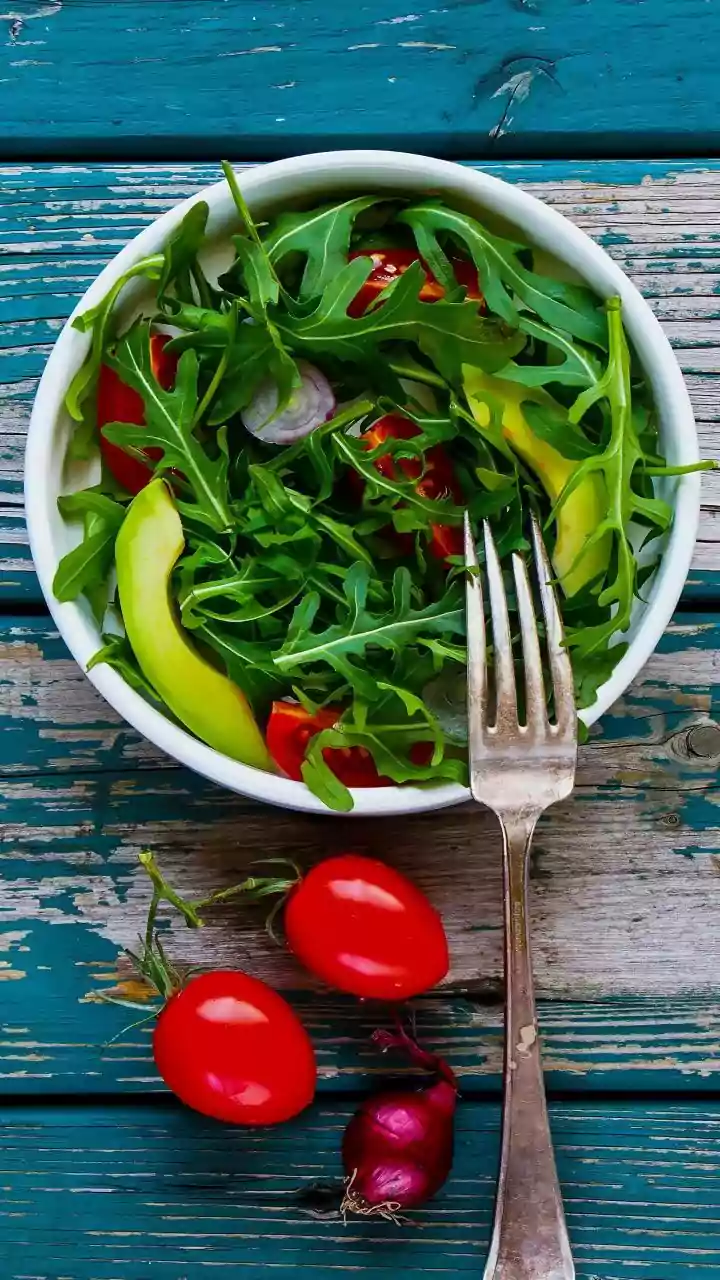
- In Salads: Toss whole or halved fava beans into grain bowls, leafy green salads, or a classic panzanella for a boost of protein and a creamy bite.
- As a Dip: Blend cooked fava beans with garlic, tahini, lemon, and olive oil for a delicious alternative to hummus, often called “Bissara” in Moroccan cuisine.
- In Pastas and Risottos: Stir them in during the last few minutes of cooking. They pair beautifully with ingredients like pancetta, peas, asparagus, and Parmesan cheese.