




The Fabric Philosophy: Cotton Is Not Your Friend
Here’s the single most important rule of monsoon travel: leave your cotton at home. While cozy and breathable in dry heat, cotton is a moisture magnet in humid conditions. Once it gets wet—from rain, sweat, or the sheer moisture in the air—it stays wet for
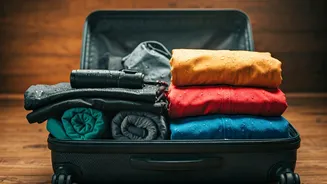
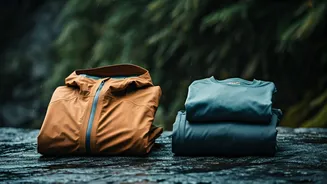
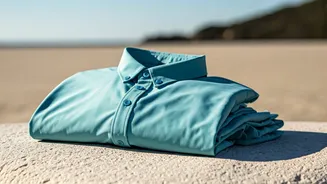
an eternity. It becomes heavy, clammy, and can even start to smell of mildew before it has a chance to dry. Instead, build your wardrobe around quick-drying, moisture-wicking materials. Merino wool is the undisputed champion. It’s naturally odor-resistant, breathable, and insulates even when damp, making it surprisingly comfortable in both heat and cool, rainy evenings. High-quality synthetics like polyester and nylon blends are also excellent choices. Look for clothing specifically marketed for travel or athletics; these pieces are engineered to handle sweat and dry quickly, which is exactly what you need when the air itself is saturated.
Your Feet Will Make or Break the Trip
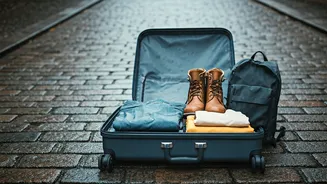
Your footwear choice is a close second in importance. Soggy sneakers lead to blisters, discomfort, and can take days to dry out in a humid hotel room. Standard leather shoes can be ruined by constant moisture. Flip-flops offer no protection or support on slick, uneven pavement. Your best bet is a two-pronged approach. First, a pair of waterproof or water-resistant walking sandals with good traction, like those from Keen or Teva. They’re designed to get wet, protect your toes, and provide grip on slippery surfaces. Second, pack a pair of lightweight, breathable sneakers or trail runners that you keep designated as your “dry” shoes. Wear these on travel days or during breaks in the rain. For an extra layer of defense, always pack a few pairs of merino wool socks, which, like the shirts, handle moisture far better than their cotton counterparts.
Rethink Your Outer Layer
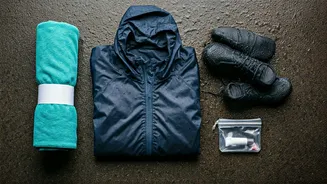
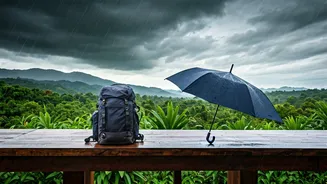
That cute, fashion-forward raincoat might be perfect for a drizzle in Seattle, but a tropical monsoon is a different beast. Many stylish raincoats lack breathability. In a hot, humid climate, you’ll be drenched in your own sweat within minutes, completely defeating the purpose. This is often called “wetting out from the inside.” Look for a lightweight, *breathable* waterproof shell. Jackets made with materials like Gore-Tex Paclite or similar proprietary technologies from outdoor brands are designed to block rain while allowing water vapor (your sweat) to escape. Also, don’t underestimate the power of a high-quality, compact travel umbrella. It provides excellent ventilation and can be deployed instantly for short dashes between buildings, saving you the hassle of putting on and taking off a jacket.
Your Bag Is Now a Fortress
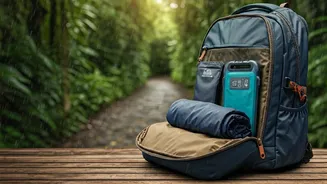
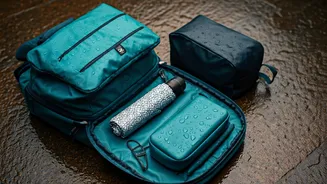
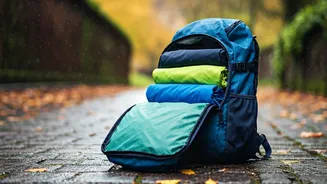
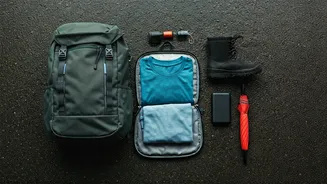
A sudden deluge can destroy your phone, camera, or laptop in seconds. Don’t assume your standard backpack is waterproof; most are merely water-resistant, and their seams will leak in a sustained downpour. You have two solid options. The first is to invest in a fully waterproof backpack with welded seams and a roll-top closure. The second, more versatile and budget-friendly option, is to treat your bag as a simple carrier. Inside, organize your belongings into a system of dry sacks. These are lightweight, waterproof bags (popular with kayakers and hikers) that can compartmentalize and protect your electronics, a change of clothes, and your passport. A 5-liter dry sack for essentials is a non-negotiable travel companion in the rainy season.
Don't Forget Health and Comfort
Monsoon season isn’t just about water from the sky; it’s about the consequences on the ground. Standing water is a breeding ground for mosquitoes, which can carry diseases like dengue fever and Zika. A reliable insect repellent containing DEET or Picaridin is essential. Apply it diligently, especially at dawn and dusk. Humidity also means chafing. An anti-chafe balm or powder can be a lifesaver for long days of walking. Finally, fight the dampness in your luggage. Pack a few silica gel packets (the little pouches that come in new shoe boxes) and toss them into your suitcase and electronics bags to absorb excess moisture and keep mildew at bay. When you get to your hotel, hang everything up immediately, even if it feels dry.