



The Summer Capital's Enduring Charm
For Americans accustomed to finding relief at the beach or a lake house, the concept of a "hill station" is a fascinating one. For centuries, these high-altitude towns have served as sanctuaries from India's blistering summer heat. None is more famous
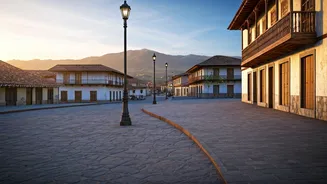
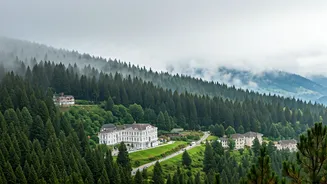
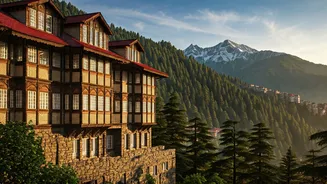
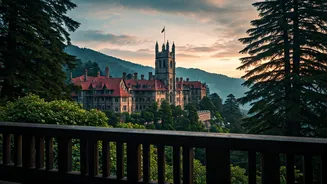
than Shimla. Perched at over 7,000 feet, it was once the official summer capital of British India, a place where colonial administrators fled to govern in comfort. That legacy is etched into its very bones. Strolling through Shimla feels like stepping into a different era. The city’s core is dominated by neo-Gothic and Tudor-revival architecture, from the stately Viceregal Lodge, where major decisions about the subcontinent were once made, to the iconic Christ Church, whose silhouette defines the skyline. This isn't a stuffy historical relic; it's a living city where history provides a stunning, slightly surreal backdrop to modern Indian life.
A Festival on The Ridge
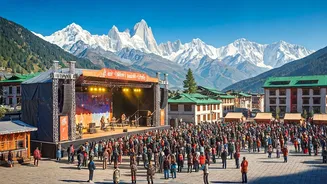
Each June, Shimla’s colonial-era promenade, known simply as The Ridge, transforms into the epicenter of a massive celebration: the Shimla Summer Festival. This multi-day event is a vibrant showcase of Himachali culture and national talent, drawing crowds from across the country. The open-air stage, set against a panoramic sweep of Himalayan peaks, hosts a dizzying array of performances. One night might feature a beloved Bollywood singer crooning to thousands of fans, while the next could highlight the hypnotic rhythms of traditional Nati folk dancers, their colorful costumes swirling under the lights. The festival is a family-friendly affair, with food stalls offering local delicacies, photographers capturing portraits, and a general air of communal joy. It’s a spectacle where the town’s historic, reserved character gives way to a burst of contemporary energy, proving that Shimla is as much about the now as it is about the past.
Beyond the Main Stage
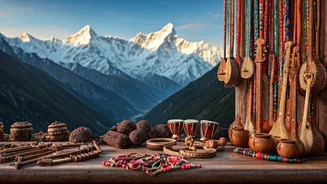
The magic of Shimla extends well beyond the festival grounds. The city is built for wandering. Its most famous thoroughfare, the Mall Road, is a pedestrian-only paradise of shops, cafes, and restaurants. Here, you can browse for intricately carved wooden souvenirs from the nearby Lakkar Bazaar, sip on hot chai while gazing at the mountains, or sample Tibetan-influenced dishes like momos (steamed dumplings) at a cozy eatery. The culture here is a layered one. You'll see local Himachali families, honeymooning couples from Delhi, and international backpackers all mingling. The Gaiety Theatre, a beautifully restored Victorian playhouse on the Mall Road, still hosts performances, connecting visitors to the town's artistic soul. It’s this effortless blend of local tradition, colonial history, and modern tourism that gives Shimla its unique cultural texture.
Breathing the Mountain Air
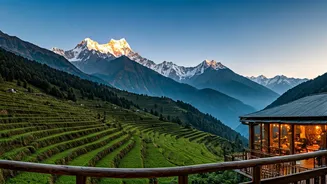
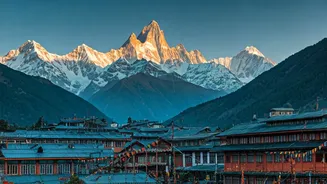
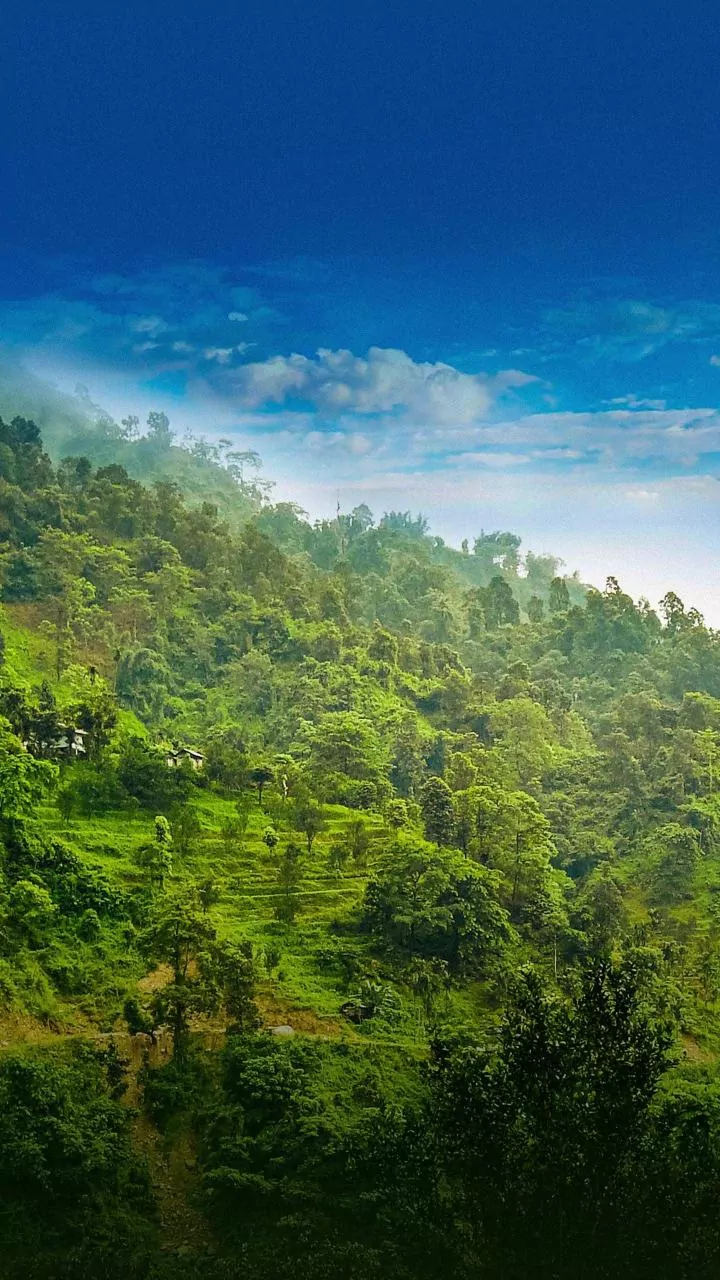
Ultimately, the headline’s promise of “cool mountain air” is what ties the entire experience together. It's the first thing you notice when you arrive and the last thing you miss when you leave. After days spent in warmer climes, the crisp, pine-scented air feels like a tonic. This isn't just about a comfortable temperature; it's about a feeling of clarity and rejuvenation. Early mornings are for watching the sun illuminate the snow-capped peaks in the distance. Afternoons are for long walks along winding forest paths, listening to the wind rustle through the deodar cedars. The air itself feels like an attraction, a form of natural wellness that resets the mind and body. It's the constant, refreshing presence that makes the music sound clearer, the food taste better, and the historical stone buildings feel even more timeless.