



Beyond the Comfort of Curry
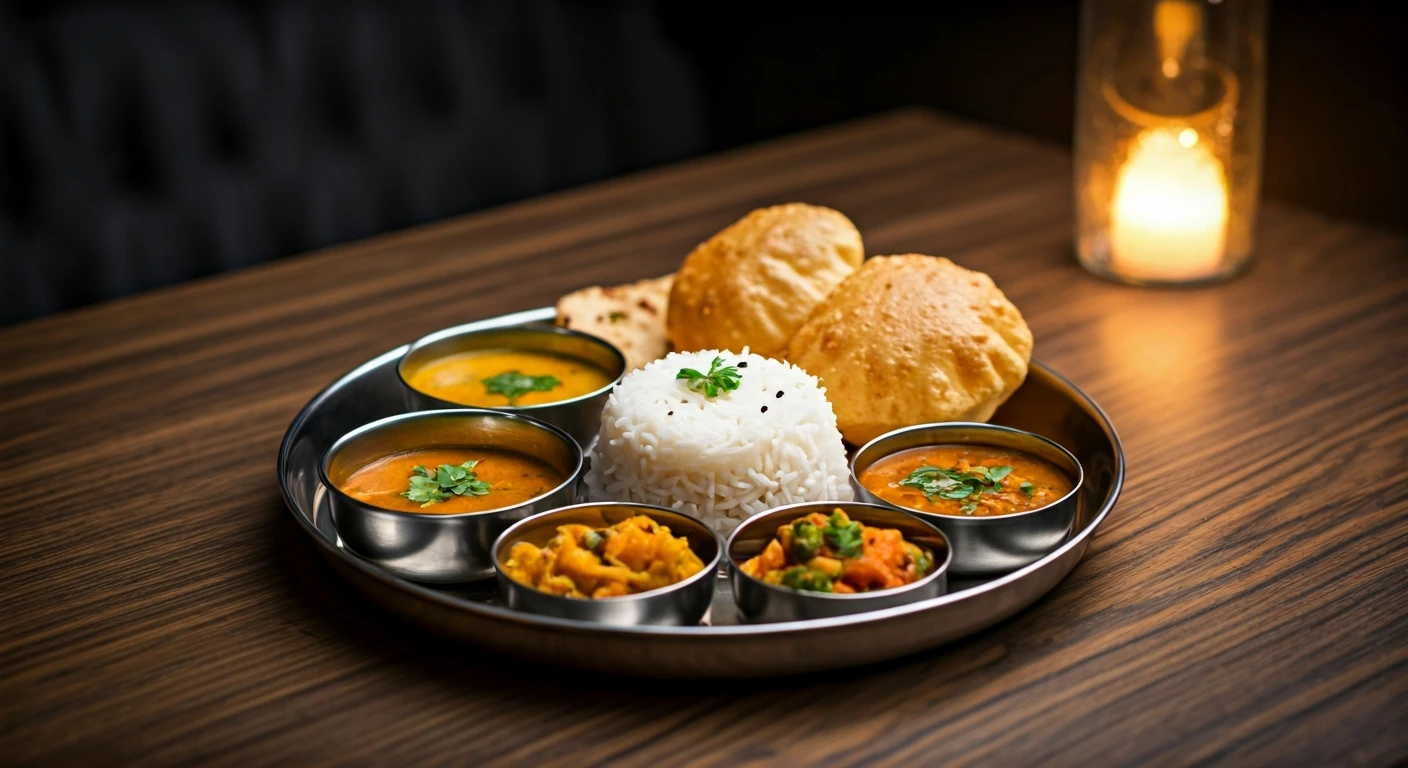
Mumbai has always been a food lover’s paradise, a sprawling metropolis where the sizzle of vada pav on a street corner is as essential as the complex spice blends of a seafood thali. Its culinary identity is deeply woven into the fabric of the city—fast,
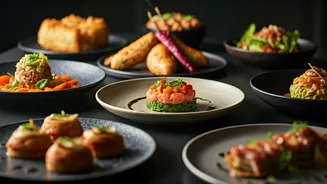
flavorful, and overwhelmingly Indian. For years, “going out” for non-Indian food often meant a choice between hearty Indo-Chinese fare or the familiar comfort of a pizza. But that Mumbai is rapidly becoming a delicious memory. A new energy is coursing through its kitchens, one that speaks a more global language. The city's dining scene is not just growing; it's expanding its very definition of what a Mumbai meal can be, looking outward to Tokyo, Lima, and Milan for inspiration.
The Unexpected Japanese Wave
Perhaps the most striking example of this shift is the city’s passionate embrace of Japanese cuisine. A decade ago, authentic sushi was a rarity reserved for five-star hotel restaurants like the iconic Wasabi by Morimoto at the Taj Mahal Palace hotel. Today, the city is dotted with high-end omakase counters, bustling ramen bars, and chic izakayas. Restaurants like Izumi in Bandra, which started as a tiny, beloved spot, have expanded into multi-location sensations, proving the city’s appetite for more than just California rolls. This boom isn't just about importing a trend; it's about a maturing palate. Mumbaikars are seeking out the delicate subtleties of raw fish, the deep umami of a perfectly crafted broth, and the sophisticated simplicity that defines Japanese culinary arts. It signals a city ready to engage with food on a global level, appreciating technique and authenticity in ways it never has before.
New Philosophies, Not Just New Cuisines
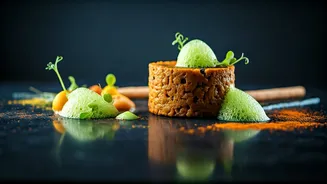
The transformation goes deeper than just adding new flags to the culinary map. It’s also about importing a global philosophy of dining. Concepts like farm-to-table, once a niche idea, are now central to some of the city's most acclaimed restaurants. Chef Prateek Sadhu's groundbreaking Masque, for instance, championed a tasting menu built exclusively on ingredients from the Himalayas and other Indian regions, but presented with a modern, almost Nordic, sensibility. Similarly, The Table in Colaba was a pioneer in bringing a San Francisco-style focus on fresh, high-quality, and locally sourced ingredients to the forefront. These establishments are not merely copying foreign dishes; they are adopting a worldwide movement towards ingredient-driven cooking and applying it to an Indian context, creating something entirely new and uniquely Mumbai in the process.
The Return of the Global Indian
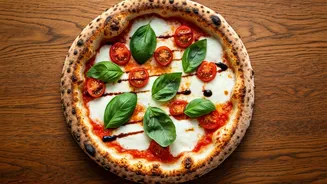
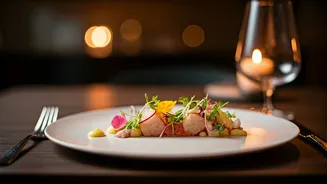
Fueling this expansion is a new generation of chefs and restaurateurs. Many are Indians who have trained in the culinary capitals of the world—New York, London, Tokyo, Copenhagen—and have returned home, bringing with them a wealth of experience, techniques, and ideas. They are opening restaurants that can compete on an international stage, backed by investors who see the vast potential in a city of 20 million increasingly adventurous eaters. These chefs are a bridge between worlds, skillfully blending their global training with a deep understanding of local tastes. They are introducing Mumbai to Peruvian ceviche, authentic Neapolitan pizza, and modern European tasting menus, and the city is responding with enthusiastic reservations. Their confidence and vision are what truly makes the city’s dining scene feel bigger: more connected, more ambitious, and more exciting than ever.