



1. Master the Art of Light and Color
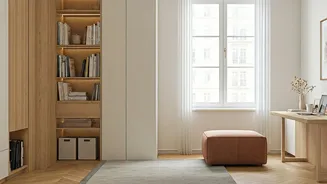
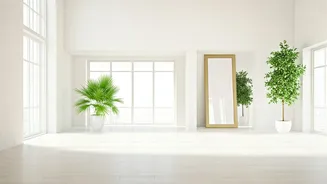
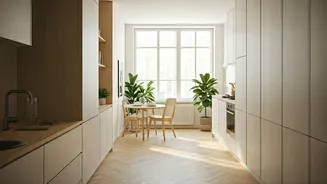
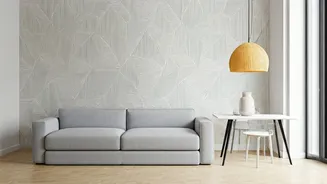
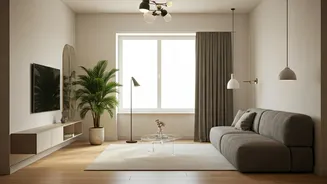
Before you buy a single piece of furniture, assess your light. A room's perceived size is fundamentally tied to how bright it feels. Start by painting walls in light, neutral colors like soft whites, pale grays, or muted pastels. These shades are reflective,
bouncing natural and artificial light around the room to create an airy, open atmosphere. Dark colors, while dramatic, tend to absorb light and can make walls feel like they're closing in. For a touch of depth without sacrificing brightness, consider painting the wall farthest from the window a slightly darker shade than the others. This trick creates an illusion of distance, making the room feel longer. Finally, swap heavy, dark curtains for sheer or light-colored drapes that allow maximum sunlight to filter through.
2. Embrace Multi-Functional Furniture
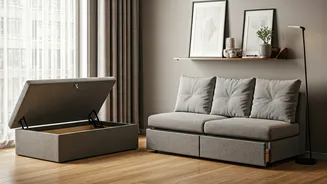
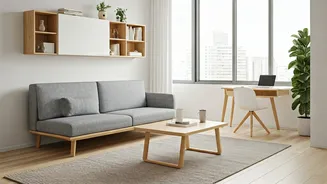
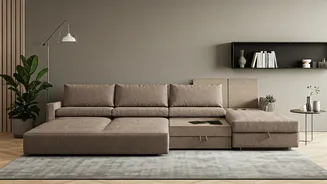
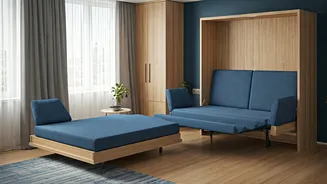
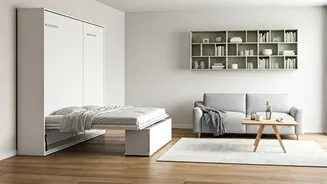
In a small room, every piece of furniture should earn its keep. Single-use items are a luxury you can't afford. Instead, seek out clever, multi-functional designs that serve two or more purposes. Think of an ottoman that opens up to provide hidden storage, a coffee table that lifts to become a dining or work surface, or a daybed that serves as a sofa by day and a guest bed by night. Wall-mounted desks can be folded away when not in use, instantly freeing up floor space. In the bedroom, a bed frame with built-in drawers underneath eliminates the need for a bulky dresser. This approach isn't just about saving space; it's about building a dynamic, adaptable environment that changes with your needs throughout the day.
3. Think Vertically
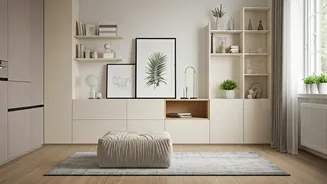
When you can't build out, build up. Your walls offer a vast, untapped reserve of storage and display space. Utilizing vertical space draws the eye upward, making the ceiling feel higher and the room grander. Install tall, narrow bookshelves that reach toward the ceiling instead of a low, wide unit. Use floating shelves to display books, plants, and decor without taking up any floor real estate. In the kitchen or entryway, a pegboard wall system is a stylish and endlessly customizable way to organize everything from coats and keys to pots and pans. This strategy moves clutter off your floors and surfaces, creating clear pathways and a sense of order that is essential in a compact area.
4. Harness the Power of Mirrors
It’s the oldest trick in the interior design book for a reason: it works. A large mirror is the ultimate tool for creating an illusion of depth and space. When placed strategically, a mirror can effectively double the visual size of your room. The best placement is often opposite a window, where it will capture the natural light and the view, bouncing both back into the space and making it feel significantly brighter and more expansive. You can use a large, floor-length mirror leaned against a wall for a casual, modern look, or create a gallery wall of smaller, mismatched mirrors for a more eclectic, artistic effect. Don't underestimate its power; a mirror is less a piece of decor and more a window you can place anywhere.
5. Go Big, But Go Smart
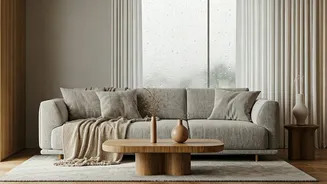
It seems counterintuitive, but filling a tiny room with lots of tiny furniture can actually make it feel more cluttered and chaotic. A better strategy is to choose a few larger, statement pieces and give them room to breathe. For example, instead of a small loveseat, two armchairs, and a tiny coffee table, opt for one comfortable, well-proportioned sofa and a single, larger coffee table. This 'fewer, better things' approach creates a calmer, more cohesive, and less busy environment. The key is to ensure your larger pieces don't physically block pathways. A sofa with visible legs, for instance, allows you to see the floor underneath, which enhances the sense of openness. Choose your anchors wisely and let them define the space with confidence.
6. Declutter with Strategic Storage
Nothing shrinks a room faster than clutter. The final, and perhaps most crucial, upgrade is to implement a ruthless and effective storage system. This goes beyond multi-functional furniture. It means being intentional about what you keep and where it lives. Use decorative baskets and boxes to conceal everyday items on open shelves. Invest in drawer organizers to maximize the space inside your existing furniture. A slim console table behind a sofa can be a discreet spot for mail, keys, and other small items. The goal is to have a designated place for everything, keeping surfaces clear and sightlines open. A tidy room is a larger room.