


The Journey Is the Destination
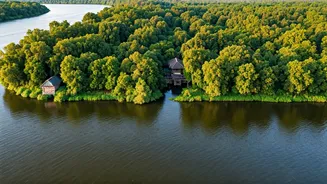
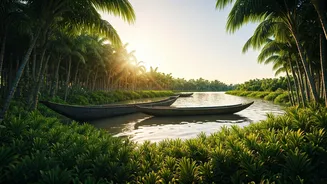
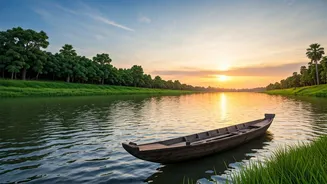
Reaching Majuli, a sprawling river island in India’s northeastern state of Assam, is an exercise in patience that sets the tone for the entire experience. There are no bridges connecting it to the city of Jorhat. The only way across is by boat, a journey
that can take over an hour, sharing deck space with motorcycles, locals, and the occasional goat. This deliberate barrier to entry is precisely what makes Majuli a pilgrimage site for the slow travel community. In a world of hyper-connectivity and instant gratification, the island demands you decelerate. It’s a place where the journey isn’t a prelude to the destination; it’s the first lesson in its philosophy. You arrive not just in a new location, but in a new state of mind, one that has already begun to shed the urgency of modern life.
A Living Cultural Monastery
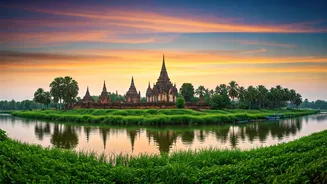
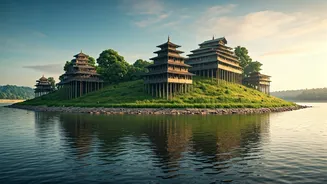
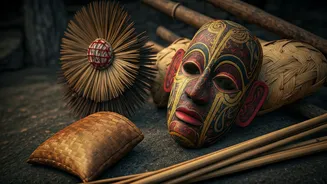
Majuli’s soul resides in its *satras*. These are not mere monasteries but living, breathing centers of Neo-Vaishnavite culture, a branch of Hinduism founded in the 15th century. For hundreds of years, these institutions have been the guardians of Assamese art, music, and dance. Young monks, some as little as five years old, dedicate their lives to prayer and artistic practice. Visitors can wander into a *satra* and find themselves witnessing a *bhaona*, a traditional religious drama with actors wearing intricate, hand-painted masks, or hear the hypnotic chanting of prayers accompanied by drums and cymbals. This isn’t a performance for tourists; it’s the continuation of a centuries-old spiritual tradition. The island is dotted with dozens of these *satras*, each with its own specialty, from mask-making at Samaguri Satra to the preservation of ancient manuscripts at Auniati Satra. To visit Majuli is to step into a cultural ecosystem that has remained remarkably intact.
The Soul of Slow Travel
The term “slow travel” can feel vague, but on Majuli, it finds its perfect definition. It’s not about seeing everything, but about experiencing something. Days are structured by the sun, not a checklist. A traveler’s itinerary might consist of renting a bicycle and meandering down dirt paths flanked by emerald rice paddies, stopping to chat with weavers from the local Mising tribe in their stilted bamboo homes. It means sharing a cup of tea at a small stall, watching life unfold without the need to capture it for social media. The appeal for the global community drawn here is this profound sense of connection—to nature, to a vibrant culture, and most importantly, to a pace of life governed by seasons and community rather than clocks and calendars. It’s an antidote to tourism-as-consumption, offering instead a model of tourism-as-immersion.
An Island Against the Tide
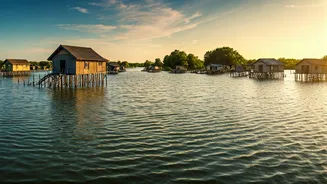
This idyllic existence is shadowed by a constant, existential threat. The Brahmaputra River, the island's creator, is also its destroyer. Each monsoon season, the powerful river swallows chunks of Majuli’s landmass. Once considered the world's largest river island, it has shrunk dramatically over the last century, and its future is uncertain. This fragility adds a layer of poignancy to any visit. The bamboo homes on stilts are not just a charming architectural choice; they are a practical adaptation to annual floods. The very impermanence of the island makes its cultural preservation efforts all the more vital. For the slow traveler, this reality adds a deeper meaning to their visit. They are not just witnessing a beautiful place, but a beautiful place in a state of delicate balance, a living culture persisting against the literal tide. The knowledge that Majuli may not exist in its current form forever makes the time spent there feel precious and profound.