






What Exactly Is a 'Food Rave'?
Let’s get one thing straight: nobody is passing out glow sticks next to the canapés. The term “food rave” is less about electronic music and more about the energy and ethos. Think of it as the Gen Z evolution of the supper club. These are ticketed, often
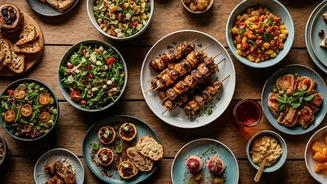
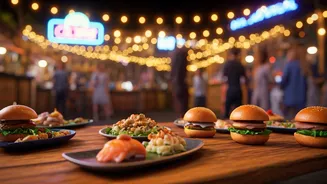
secretive pop-up dining events held in unconventional locations—lofts, warehouses, art galleries, or even a chef’s own apartment. The guest list is curated not by social status, but by whoever is fast enough to snag a spot when the link drops on Instagram. The atmosphere is electric, with a curated playlist that’s often as important as the menu, communal seating that forces interaction, and a vibe that feels more like a house party than a formal dinner. The chef isn't hidden in the back; they’re often front and center, serving plates, explaining their vision, and acting as the night’s MC. It’s an immersive, high-sensory experience where food is the main event, but community is the ultimate goal.
A Rejection of Restaurant Norms
So, why is this happening now? Part of the appeal is a direct reaction against the traditional restaurant model. For a generation wary of formal hierarchies and often priced out of conventional fine dining, food raves offer a more accessible, democratic alternative. There’s no dress code, no intimidating wine list, and no rigid etiquette. The focus is on connection and discovery. These events provide a crucial “third space” for young people craving community outside of bars or clubs. After years of pandemic-induced isolation, the desire for novel, in-person experiences is at an all-time high. A food rave isn't just a meal; it's a memorable night out, an adventure. It delivers the thrill of exclusivity—being one of the few who knew about it—without the pretension of a members-only club.
The TikTok-to-Table Pipeline
You can’t talk about any Gen Z trend without talking about social media, and food raves are no exception. They thrive on the TikTok-to-table pipeline. These events are built to be photographed and filmed. The food is often visually stunning, the settings are unique, and the communal energy creates a spectacle that’s perfect for a 30-second video. Organizers rely almost exclusively on platforms like TikTok and Instagram to build hype and sell tickets, often announcing a new event with a cryptic post just days or hours before it happens. This creates a sense of urgency and digital word-of-mouth that legacy restaurants can only dream of. For attendees, documenting the experience is part of the fun. Sharing a video from a clandestine dinner in a Brooklyn loft isn't just about showing off a good meal; it’s a form of social currency that signals you’re in-the-know and part of a vibrant, emerging subculture.
More Than a Passing Fad
While it might be tempting to dismiss this as another fleeting trend, the food rave era speaks to a deeper shift in consumer values. Gen Z, more than any generation before, prioritizes experiences over possessions. They are also driving the creator economy, where talented individuals—in this case, chefs—can build their own brand and connect directly with their audience without the massive overhead of a brick-and-mortar restaurant. These events give young, experimental chefs a platform to test out ambitious ideas and build a loyal following. The model is sustainable, flexible, and deeply personal. It’s a symbiotic relationship: chefs get creative freedom and a direct line to their customers, and diners get a one-of-a-kind experience that feels authentic and exciting.