



The New Definition of a Perfect Trip
For decades, the American vacation ideal was built on a simple promise: guaranteed sunshine. We planned trips to the Caribbean in winter and the Mediterranean in summer, all in a relentless quest for cloudless skies. But a growing number of travelers
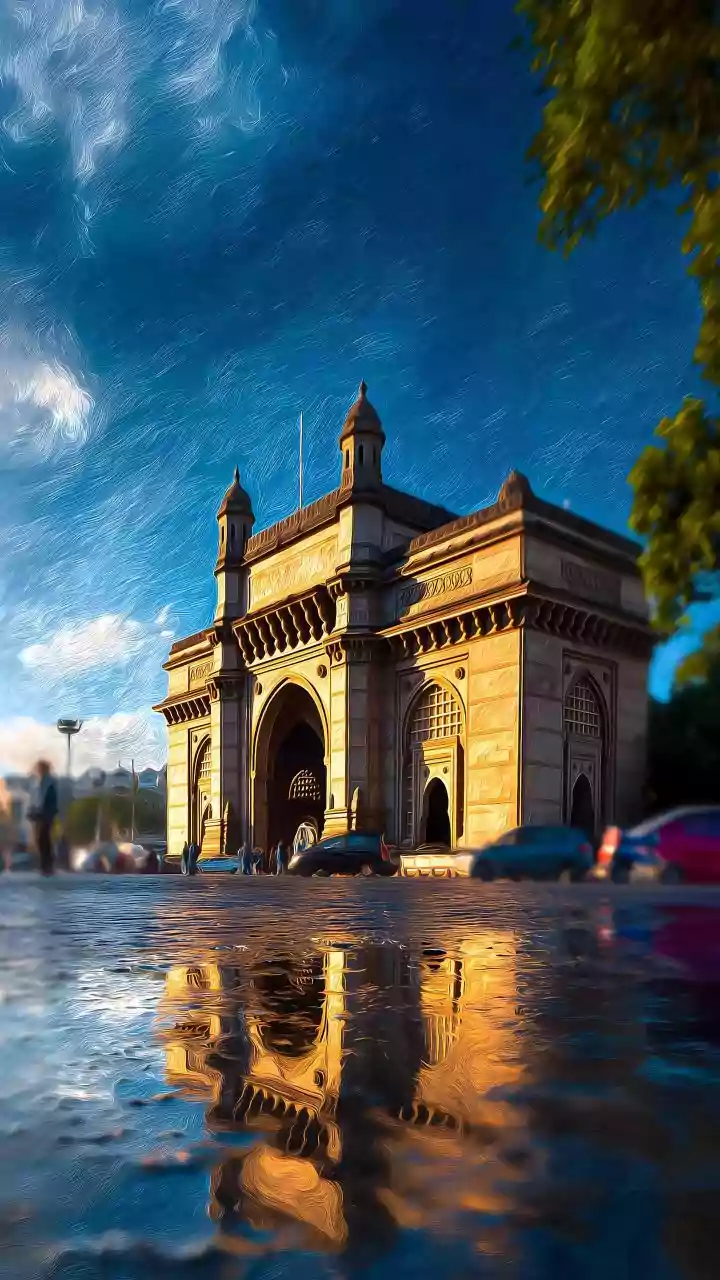
are consciously uncoupling from this ideal. They are booking trips to Southeast Asia during the rainy season, to Scotland in the misty autumn, and to coastal towns when the summer crowds have been replaced by moody fog. This isn't just about saving money, though cheaper flights and hotels are a significant perk. It's a fundamental shift in what we value in a vacation. Instead of seeking a flawless, Instagram-filtered escape, travelers are chasing something more elusive: authenticity. They’re discovering that a destination’s character isn’t just present on its sunniest days; sometimes, it’s most palpable when the weather rolls in.
The Allure of the 'Monsoon Mood'
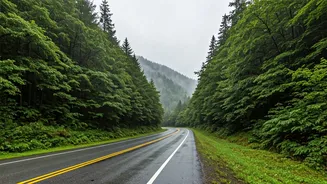
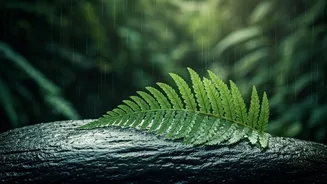
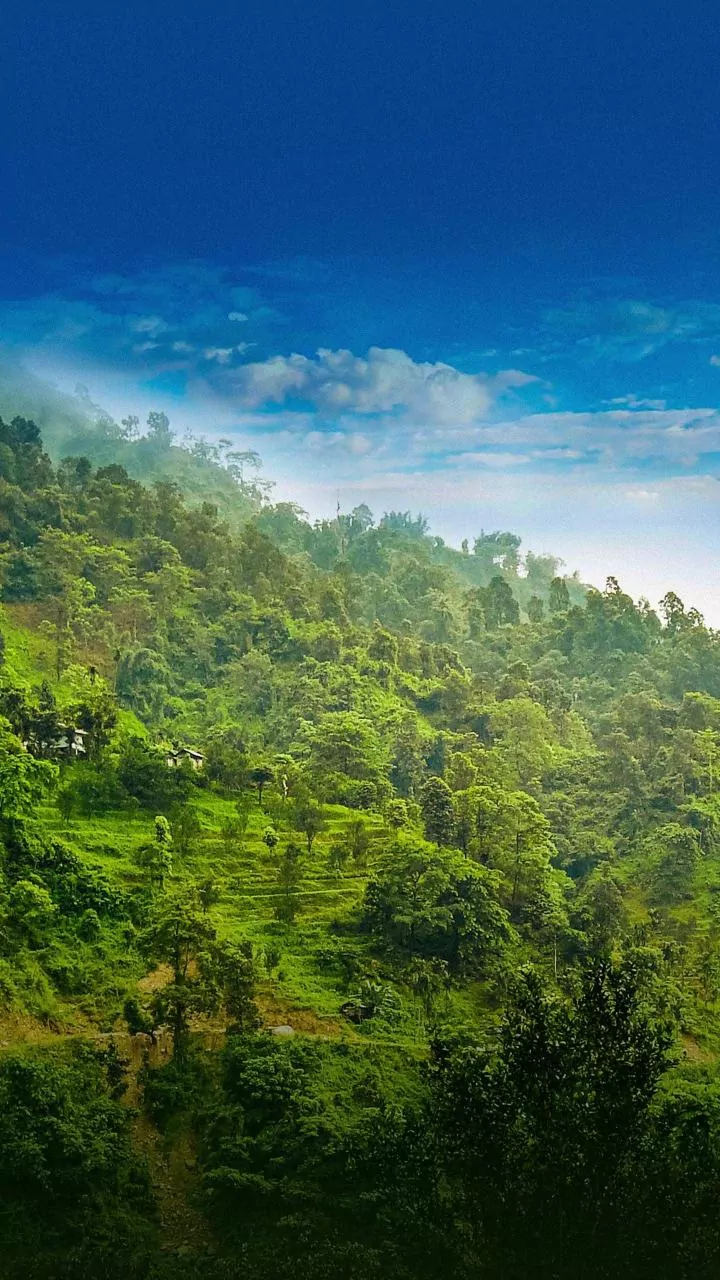
So, what exactly is the appeal of a downpour? Proponents of “monsoon travel” talk about a sensory richness that a standard beach trip can’t match. It’s the sound of rain drumming on the roof of a bungalow in Thailand, the scent of wet earth and blooming flowers, and the sight of landscapes transformed into a hundred shades of vibrant green. There’s a psychological comfort, too—a feeling travel experts have dubbed “coziness tourism.” The dramatic weather gives you permission to slow down. That afternoon you might have spent fighting for a spot on a crowded beach can now be spent reading a book in a café, taking a long cooking class, or simply watching the storm from a covered veranda. The drama of nature becomes the main event, creating a powerful, cinematic backdrop for your travels that feels more profound than another generic sunset.
Beyond the Beach Chair
Embracing the off-season forces a more creative approach to travel. When sunbathing and swimming are off the table, you start to see a destination through a local’s eyes. The focus shifts from outdoor attractions to indoor culture. Suddenly, the local markets, small museums, and neighborhood restaurants become the stars of the show. In a place like Vietnam during its monsoon, a rainy afternoon is the perfect excuse to spend hours learning the art of pho from a local chef. In Ireland, a misty, drizzly day is the ideal setting for a long, meandering tour of a whiskey distillery or holing up in a pub to hear a traditional music session. This type of travel fosters a deeper connection with the place itself, as you’re engaging with its culture, people, and rhythm of daily life rather than just its tourist-facing facade.
Where to Find the Vibe
This trend isn’t limited to one corner of the globe. Southeast Asia is the classic example, with countries like Thailand, Cambodia, and the Philippines offering incredibly lush landscapes and dramatically lower prices during their summer/fall green season. But the principle applies everywhere. Consider the Pacific Northwest in winter, where you can watch epic storms crash against the Oregon coast from the comfort of a cozy lodge. Think of Italy in November, when the tourist hordes have vanished from Florence and Rome, leaving the masterpieces of the Uffizi and the Colosseum for you to enjoy in relative peace. Or the Scottish Highlands in October, when mist hangs in the glens and the landscape takes on an otherworldly, mystical quality. The key is to reframe “bad” weather as “atmospheric” weather and plan accordingly.
A Traveler's Reality Check
While romantic, traveling during a monsoon or storm season requires a healthy dose of pragmatism. This isn't for the rigidly scheduled traveler who needs every day to go according to plan. Ferries can be canceled, roads may become impassable, and that island-hopping tour might not happen. The key is flexibility. Build buffer days into your itinerary. Pack for the conditions: high-quality waterproof jackets, appropriate footwear, and dry bags for electronics are non-negotiable. Most importantly, invest in comprehensive travel insurance that covers trip interruptions due to weather. Embracing the “monsoon mood” is about having an adventurous spirit, but a smart adventurer is always a prepared one. Being ready for the worst allows you to fully enjoy the unexpected beauty when it arrives.