





A Mass Exodus from the Heat
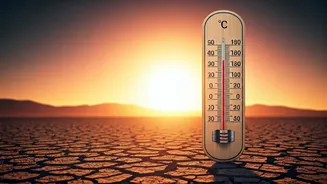
For hundreds of millions in India, summer has become a season of endurance. Cities like New Delhi and Jaipur now regularly face temperatures soaring well above 110°F (43°C), accompanied by power cuts and water shortages that make daily life unbearable.
In response, those with the means are voting with their feet and their wallets. Travel agencies and booking platforms have reported a staggering surge in demand for destinations in the nation’s cooler, higher-altitude regions. According to reports from companies like MakeMyTrip and Thomas Cook India, there has been a 30-40% spike in summer travel inquiries for hill stations compared to pre-pandemic levels. This isn't a typical vacation; it's a calculated escape. Families, remote workers with newfound flexibility, and even entire businesses are temporarily relocating for weeks or months at a time, creating a new class of climate-driven domestic tourists.
The Overwhelmed Himalayan Refuge
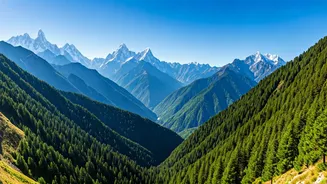
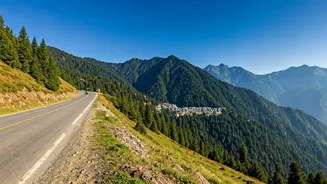
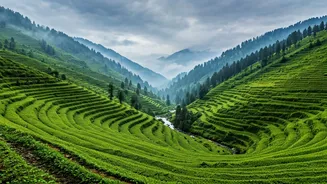
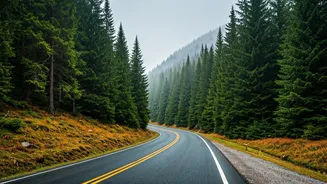
The primary beneficiaries—and victims—of this trend are the picturesque mountain towns nestled in the Himalayan foothills. States like Himachal Pradesh and Uttarakhand, home to famous British-era hill stations such as Shimla, Manali, and Mussoorie, are experiencing an unprecedented influx. These towns, with their pine-scented air and daytime temperatures a refreshing 30-40 degrees cooler than the plains, have become the promised land. But this promise is cracking under pressure. The narrow mountain roads leading to these destinations are choked with hours-long traffic jams, a scene now ironically dubbed 'the Himalayan crawl.' Local resources, particularly water and waste management systems designed for a fraction of the current population, are being pushed to the breaking point. What was once a seasonal boom has become a year-round siege, transforming serene retreats into overwhelmed boomtowns.
The Economic Double-Edged Sword
For local economies in these mountain regions, the surge is a double-edged sword. On one hand, hotels are fully booked, restaurants are bustling, and taxi drivers are earning more than ever. The flood of cash is a welcome injection after years of pandemic-related uncertainty. New hotels and homestays are being constructed at a frantic pace to meet the demand. However, this unchecked growth comes at a steep cost. The rapid, often unregulated, construction contributes to deforestation and soil erosion, increasing the risk of landslides in an already fragile ecosystem. The cost of living is skyrocketing for permanent residents, who find themselves priced out of housing and competing with tourists for basic necessities like water. The very natural beauty that attracts visitors is being threatened by the sheer volume of their presence, creating a classic paradox of over-tourism.
A Glimpse into a Warmer Future
While this phenomenon is unfolding dramatically in India, it serves as a stark warning for the rest of the world. What's happening in the Himalayas is a real-time case study in climate adaptation and its unintended consequences. As extreme heat becomes more common globally, similar patterns of temporary migration are likely to emerge elsewhere. Americans already see this on a smaller scale, with 'snowbirds' fleeing northern winters for Florida and Arizona. In the future, we may see a rise of 'heat-birds' escaping unbearable summers in Phoenix or Dallas for cooler climes in the Pacific Northwest or New England. This Indian trend highlights a crucial point: climate adaptation won't be a neat, centrally planned process. It will be messy, driven by individual choices, and will create new social and economic tensions between the places people are fleeing and the places they are fleeing to.