






More Than Just a Taste Test
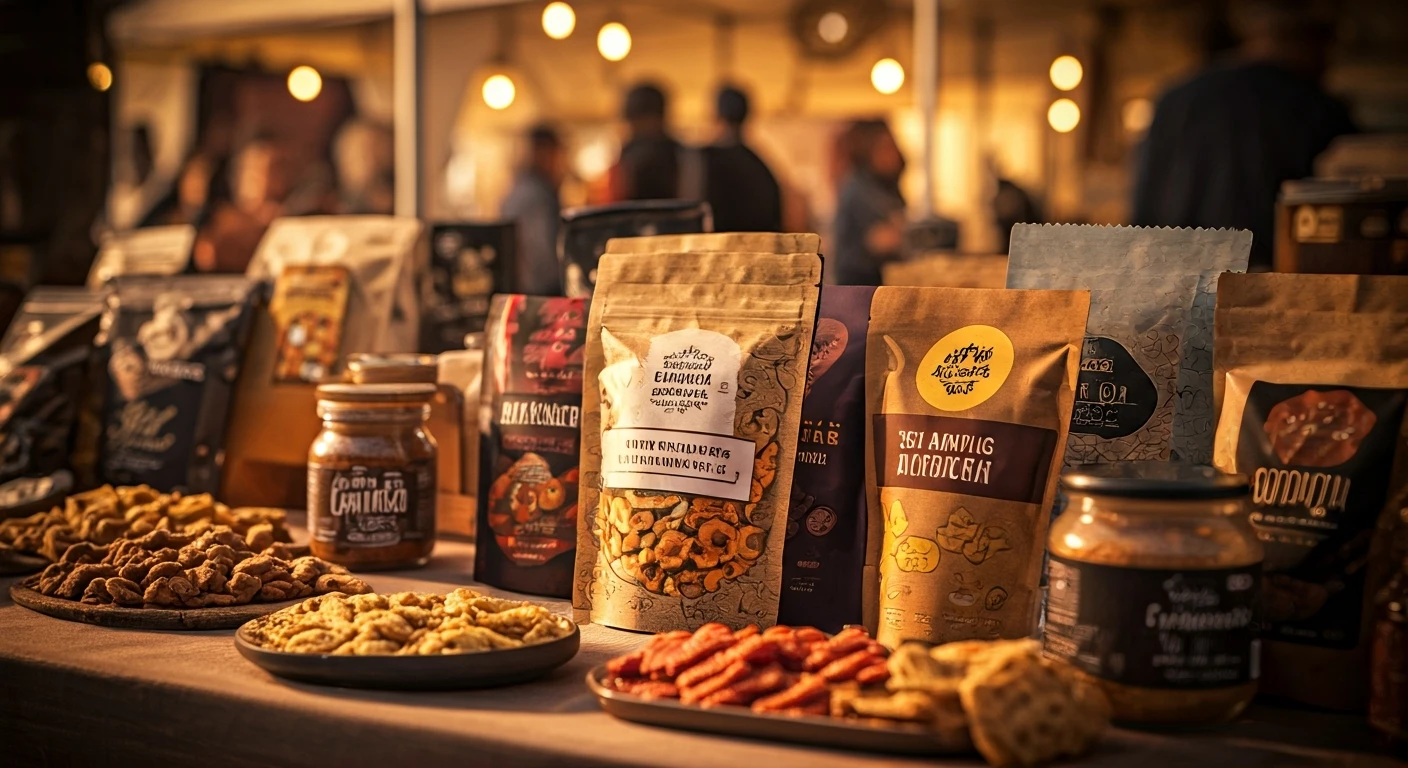
When a food startup sets up a booth at a weekend market or a sprawling event like Smorgasburg, they aren't just there to sell jars of artisanal hot sauce or bags of keto-friendly granola. They're running a live, real-world R&D lab. This is the “instant
feedback loop” in action. Unlike traditional market research, which can be slow and staged, the feedback here is immediate, candid, and multi-layered. It starts with the visceral—a customer’s facial expression upon first taste—but quickly goes deeper. A founder can see firsthand if a person hesitates at the price point, struggles to read the label, or asks a question that reveals a flaw in the marketing message. Every interaction is a data point. Someone might say, “This is great, but have you ever thought of making a garlic-free version?” or “I love this, but the packaging is impossible to open without scissors.” That’s a million-dollar insight delivered for the cost of a free sample.
The Real-Time Focus Group
For decades, large consumer-packaged goods (CPG) companies have relied on formal focus groups to test new products. These involve gathering a handful of people in a conference room, paying them for their time, and having a moderator guide them through a discussion. While useful, the process is notoriously flawed. The setting is artificial, participants may say what they think the moderator wants to hear (known as social desirability bias), and the cost can run into the tens of thousands of dollars for a single product. Food events flip this model on its head. The “participants” are real, paying customers who have no agenda other than finding something good to eat. Their feedback is organic and brutally honest. A startup can get reactions from hundreds or even thousands of diverse people in a single weekend, representing a sample size that would be astronomically expensive to replicate in a formal setting. This allows for rapid iteration—a founder can hear feedback on Saturday, tweak the recipe or a sign on Saturday night, and test the new version on Sunday.
From Booth Banter to Business Plan
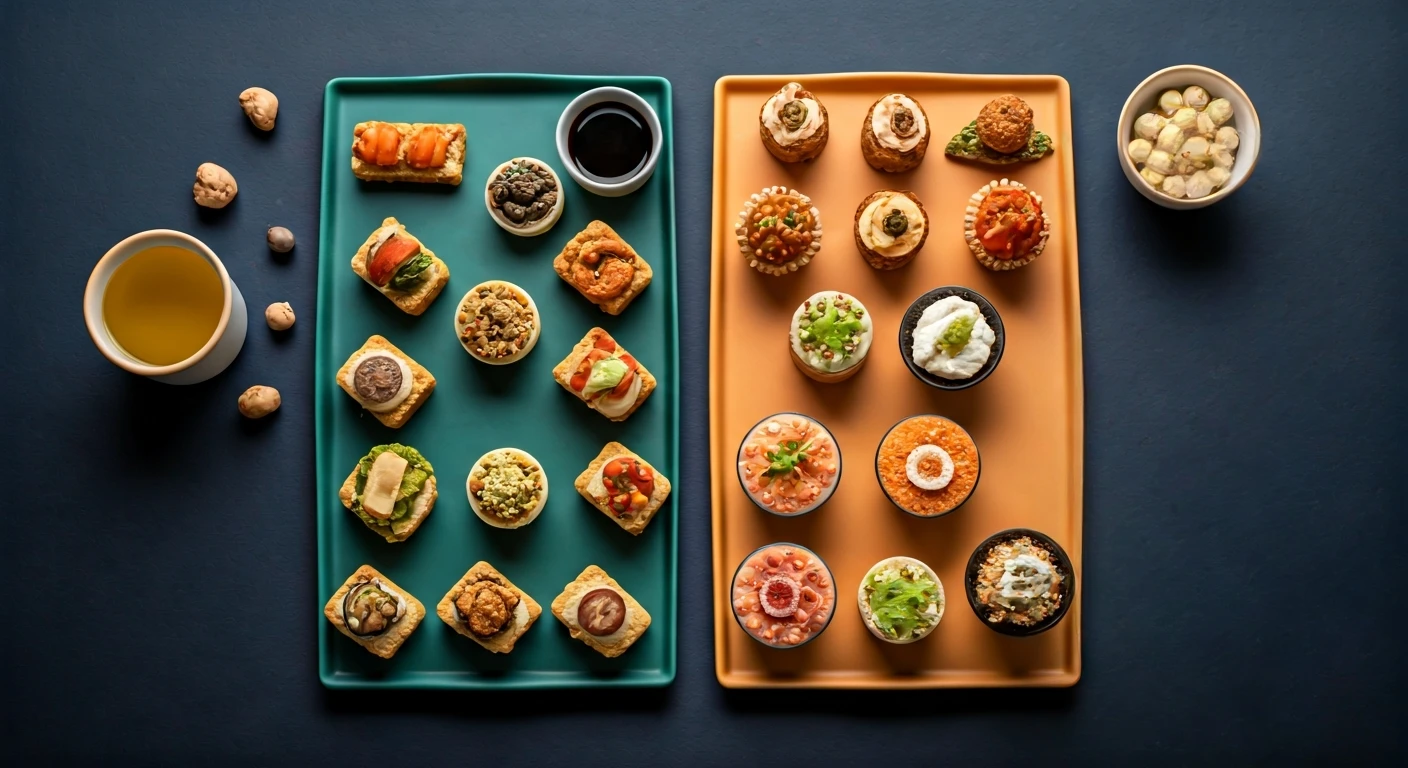
This flood of direct feedback allows startups to de-risk their business before making costly commitments. Think of a small-batch coffee company trying to decide on its branding. At a farmers' market, they can test two different bag designs and see which one people naturally gravitate towards. They can listen to how customers describe their product to friends—is it “rich and chocolatey” or “bold and strong”?—and then use that exact language in their online marketing. Many successful brands have pivoted based on these interactions. A company that launched a line of complex, multi-ingredient sauces might discover that customers are overwhelmingly drawn to their simplest, most versatile offering. That insight can redirect their entire production and marketing strategy, saving them from investing heavily in products with limited appeal. They also learn about adjacent opportunities. If dozens of people ask, “Do you sell this in a larger size?” it’s a clear signal to develop a family-sized option. If a vegan food stall constantly gets asked about gluten-free options, they’ve just identified a clear path for product line extension.
The New Launchpad for Food Brands
Ultimately, food events have become more than just a testing ground; they are an all-in-one launchpad. For a lean startup without a massive marketing budget, a popular food festival is a powerful engine for customer acquisition, content creation, and brand building. The buzz and foot traffic generate initial sales and create a base of early-adopter fans. Every customer who posts a picture of their trendy dish on Instagram becomes a micro-influencer, amplifying the brand’s reach for free. This direct-to-consumer interaction builds a genuine community around a product, something that’s nearly impossible to achieve when launching directly onto a sterile supermarket shelf. In an era where authenticity is a key selling point, starting with this kind of grassroots, face-to-face connection gives new brands a powerful narrative and a competitive edge against established, faceless corporations.