





The Science of Staying Dry
Before we dive into the specific items, it's crucial to understand the 'why.' The magic of quick-dry clothing lies in its material composition. Most of these garments are made from synthetic fibers like polyester and nylon, or specially treated natural
fibers like merino wool. Unlike cotton, which acts like a sponge, absorbing and holding onto moisture for hours, these technical fabrics are hydrophobic. They actively repel water and allow moisture (both rain and sweat) to evaporate from the surface with remarkable speed. This means that even if you get caught in a shower, your clothes will be dry again in a fraction of the time, often just with your own body heat. This single principle is the difference between a miserable, soggy afternoon and a minor inconvenience you barely remember.
1. The Base Layer: Your First Line of Defense
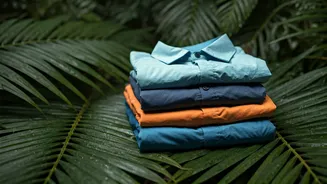
The item closest to your skin is arguably the most important. A quick-dry t-shirt or long-sleeve top made from merino wool or a polyester blend is a non-negotiable foundation. When you’re walking around a city or hiking a trail, you generate heat and sweat, even in cool, rainy weather. A cotton tee will trap that moisture against your skin, making you feel clammy and cold the moment you stop moving. A technical base layer, however, will wick that sweat away, keeping you dry from the inside out. Look for shirts with flatlock seams to prevent chafing under a backpack and consider merino wool for its natural odor-resistance, a huge bonus on multi-day trips where laundry access is limited.
2. The Workhorse: Technical Travel Pants
Jeans are a travel staple for many, but they are your worst enemy in wet weather. Once soaked, a pair of denim jeans can take more than a day to fully dry, all while feeling heavy and restrictive. Instead, opt for a pair of technical travel pants made from a nylon/spandex blend. These pants offer a fantastic combination of durability, stretch for comfort, and incredible water resistance. Light rain will often bead up and roll right off. If they do get saturated in a serious downpour, they can air dry in your hotel room in just a couple of hours. Many modern styles look just as sharp as a pair of chinos, allowing you to go from a city walk to a casual dinner without looking like you just stepped off a mountain.
3. The Outer Shell: A Truly Waterproof Jacket
This is your fortress against the storm. It’s important to understand the difference between “water-resistant” and “waterproof.” A water-resistant jacket will shed a light drizzle for a short time but will eventually become saturated. A truly waterproof jacket, often made with a membrane like Gore-Tex or a similar proprietary technology, will keep you bone dry even in a sustained deluge. Look for one that is also “breathable,” which allows your body vapor to escape so you don’t get soaked with sweat from the inside. Features like taped seams (which seal the tiny holes made by stitching), an adjustable hood, and a lightweight, packable design make a waterproof shell an indispensable piece of gear for any trip where rain is a possibility.
4. The Unsung Heroes: Socks and Underwear
Don’t let your socks be your downfall. Wet feet are a recipe for blisters and misery. Just like with your shirt, avoid cotton at all costs. A single pair of wet cotton socks can ruin a day of sightseeing. Instead, pack merino wool or synthetic-blend socks. They not only dry quickly but also continue to insulate and keep your feet warm even when they are damp. The same logic applies to underwear. Performance materials will keep you far more comfortable than cotton during an active, potentially damp, day. These small items take up minimal space in your luggage but deliver an outsized impact on your overall comfort.