






India's Original Coffee Land
Long before a Starbucks graced every corner, coffee was quietly taking root in the hills of Southern India. Nestled in the Western Ghats mountain range in the state of Karnataka, Chikmagalur is affectionately known as the “Coffee Land of Karnataka,” and for good
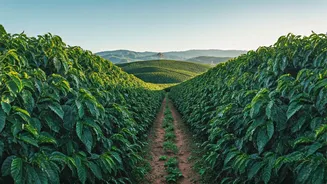
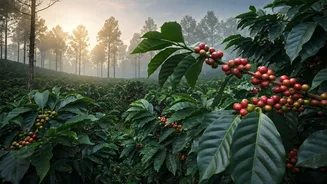
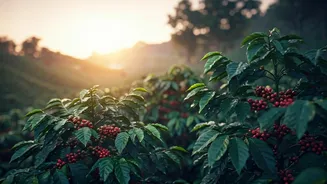
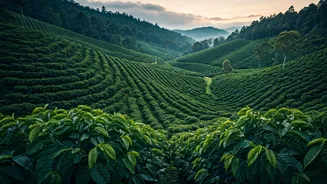
reason. Legend has it that in the 17th century, a Sufi saint named Baba Budan smuggled seven coffee beans from Yemen and planted them here, kickstarting India's entire coffee industry. Today, the region is a rolling tapestry of coffee plantations, shaded by vast silver oaks and jungle trees. The air itself feels different—clean, cool, and carrying the faint, sweet scent of coffee blossoms in the spring and roasting beans during harvest season. It’s a place that runs on a different clock, one dictated by nature rather than notifications.
The Homestay Experience
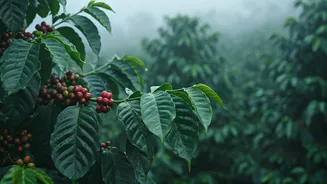
The single best way to experience Chikmagalur is to forgo a standard hotel and book a stay at a coffee estate homestay. These aren't just accommodations; they are invitations into a slower way of life. Many are ancestral homes, run by generations of planters who are eager to share their world with you. A typical day might start with a hot cup of locally grown coffee on a veranda overlooking a valley shrouded in morning mist. Later, you might join your host for a guided “plantation walk.” This is the heart of the experience—learning to distinguish between Arabica and Robusta plants, spotting pepper vines climbing the trees, and understanding the intricate ecosystem that produces your morning brew. Evenings are for quiet contemplation, reading a book, or simply listening to the symphony of cicadas, a stark contrast to the soundtrack of modern urban life.
Beyond the Plantation Gates
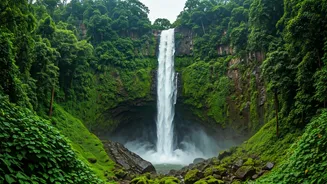
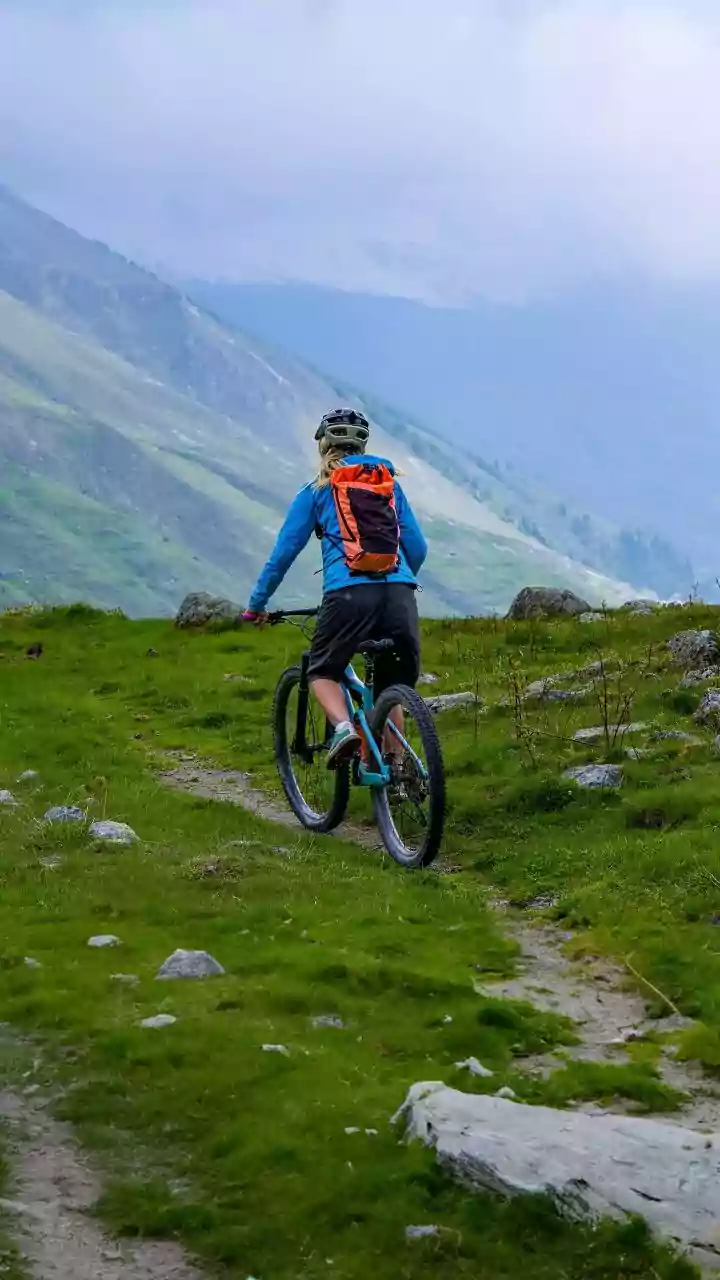
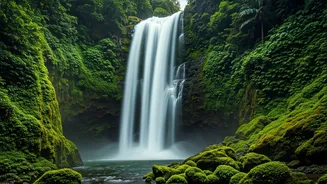
While the coffee estates are the main draw, Chikmagalur’s natural beauty extends far beyond them. The region is a trekker's paradise. The most famous challenge is Mullayanagiri, the highest peak in Karnataka, which offers a moderately strenuous hike rewarded with breathtaking 360-degree views of the surrounding ghats. For those seeking less-intense nature-based excursions, there are numerous waterfalls to discover. Hebbe Falls, hidden deep within a coffee estate, requires a rugged jeep ride and a short walk to reach its spectacular two-tiered cascade. Jhari Waterfalls, also known as Buttermilk Falls, is another popular spot for a refreshing dip. This is a landscape built for exploration, where every winding road reveals a new, stunning vista.
A Taste of Malnad Cuisine
The local food is another highlight of any trip to Chikmagalur. The regional cuisine, known as Malnad, is distinct from what you might find in other parts of India. It’s hearty, flavorful, and makes liberal use of local ingredients like bamboo shoots, fresh coconut, and, of course, coffee. A traditional Malnad meal might include Akki Roti (a flatbread made from rice flour), served with a flavorful chicken or vegetable curry. Many homestays pride themselves on serving authentic, home-cooked meals that have been passed down through generations. It’s a culinary experience that is deeply connected to the land, offering a true taste of the region’s culture and generosity.
Planning Your Verdant Escape
Chikmagalur is accessible yet feels worlds away. The nearest major airports are in Bengaluru (Bangalore) and Mangaluru (Mangalore), both about a 4- to 5-hour drive away. Renting a car with a driver is the most common and comfortable way to make the scenic journey. The best time to visit is from September to March. The post-monsoon months (September to November) are when the landscape is at its most lush and green, while the winter months (December to February) offer clear skies and pleasantly cool weather perfect for hiking and sightseeing. But no matter when you go, the goal remains the same: to slow down, breathe deep, and let the profound tranquility of the emerald hills work its magic.