

A World Beyond Naan and Tikka Masala
Forget the heavy creams and complex spice blends that dominate many American Indian restaurant menus. Assamese food is a different beast entirely, shaped by the fertile Brahmaputra valley, abundant rainfall, and a culture that values simplicity and fresh,
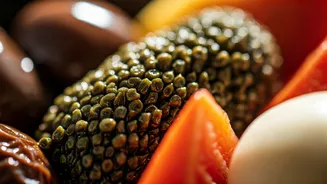
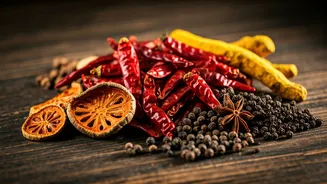
seasonal produce. The cuisine is defined by its minimal use of spices, allowing the natural taste of the ingredients to shine. The primary cooking medium is pungent mustard oil, which imparts a sharp, distinctive character to many dishes. Flavors are often built around souring agents like tomatoes and elephant apple (*outenga*), fermented products like bamboo shoot, and the ever-present holy trinity of ginger, garlic, and chili. It’s a lighter, healthier, and more rustic approach to cooking that feels deeply connected to its land.
The Soulful Sour: Maasor Tenga
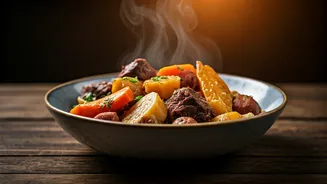
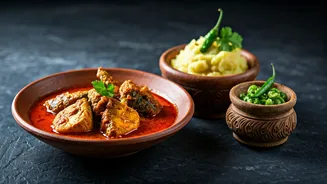
If there's one dish that captures the essence of Assam, it's *Maasor Tenga*, a tangy fish curry that serves as the heart of a traditional meal. The word 'tenga' means sour, and this dish is a masterclass in balance. Unlike curries thickened with coconut milk or yogurt, Maasor Tenga has a light, almost soupy consistency, making it incredibly refreshing, especially in Assam's humid climate. The sourness can come from a variety of ingredients, including tomatoes, lemon, or most authentically, the unique elephant apple, which lends a delicate, complex tartness. Chunks of freshwater fish, caught from the region's sprawling rivers, are gently simmered in this vibrant broth. It’s often the final savory course in a meal, designed to cleanse the palate and aid digestion. A spoonful of Maasor Tenga over steamed rice is pure, unadulterated comfort.
The Ultimate Comfort Food: Aloo Pitika
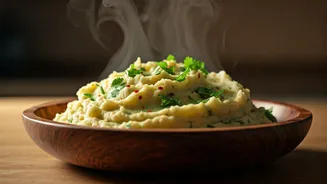
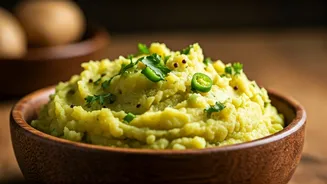
On the surface, *Aloo Pitika* is just mashed potatoes. But to dismiss it as such would be a culinary crime. This is mashed potatoes with a Ph.D. in flavor. A staple in every Assamese household, it’s the region's ultimate comfort food, a go-to dish that’s both incredibly simple and profoundly satisfying. Boiled potatoes are mashed—often by hand—with finely chopped raw onions, green chilies, and fresh cilantro. The secret weapon, however, is a generous drizzle of raw, pungent mustard oil. This isn't the mild, refined stuff; it’s a fiery, nose-tingling oil that electrifies the humble potato, transforming it into a flavor bomb. Sometimes, it’s enhanced with a roasted tomato or a boiled egg. Aloo Pitika is proof that with the right ingredients, the simplest dishes can be the most memorable.
The Enigmatic Element: Khar
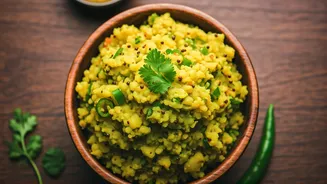
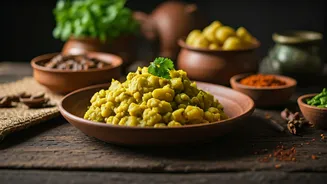
To truly understand Assamese cuisine, you must meet *khar*, an ingredient and a dish category so unique it has no parallel. Khar is a signature alkali, traditionally prepared by filtering water through the ashes of a dried banana peel. This alkaline liquid is then used as a cooking base, imparting a distinct, earthy, and savory flavor that is hard to describe but impossible to forget. A classic Assamese meal almost always begins with a *khar* dish, often made with raw papaya, lentils, or vegetables. The alkali helps to tenderize the ingredients and is believed to have digestive benefits. Eating khar is an experience that immediately grounds you in Assamese culinary tradition. It’s a taste that, for the people of Assam, is synonymous with home.
Putting It All Together on a Thali
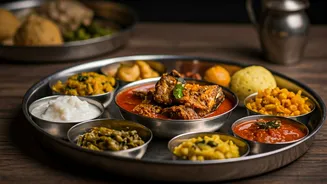
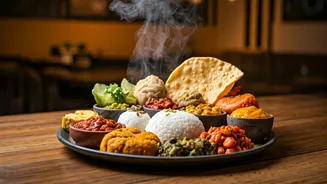
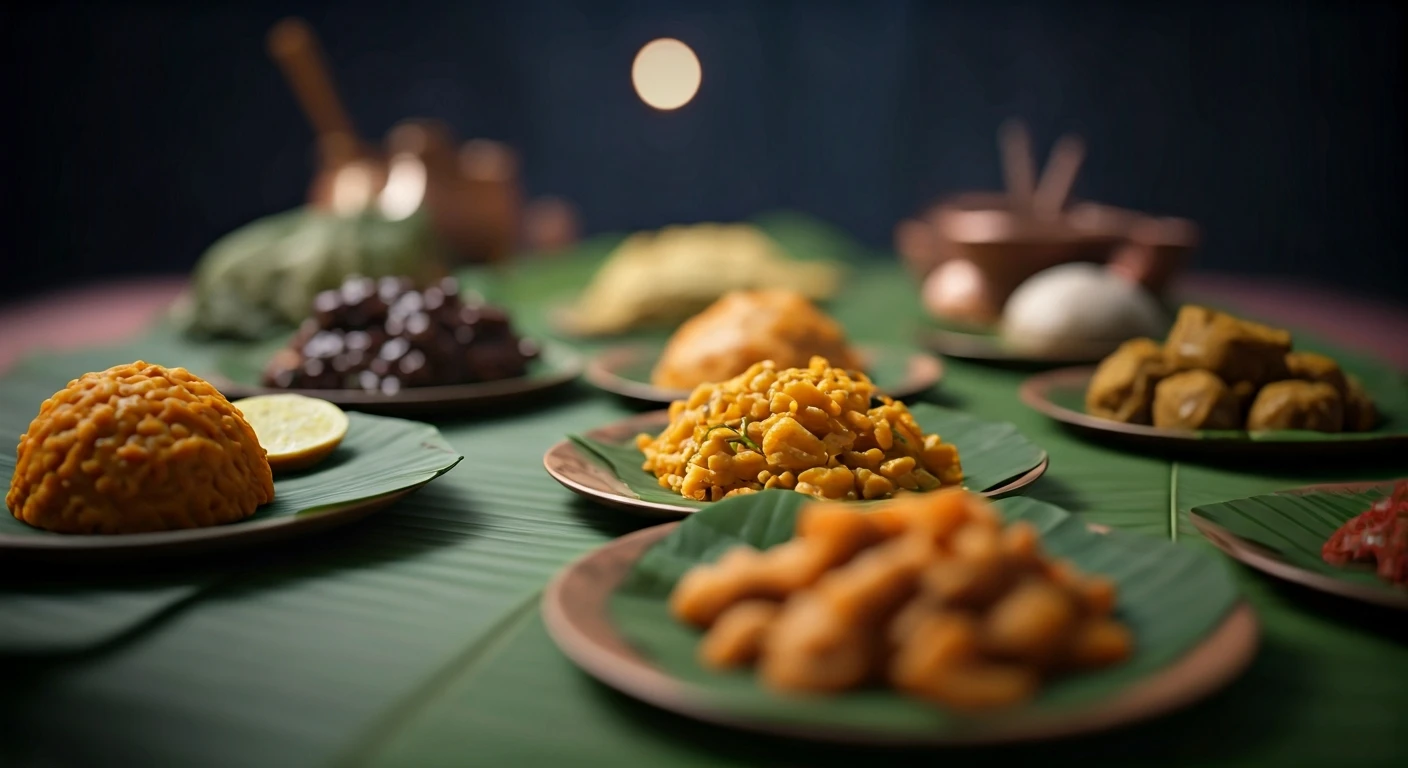
An Assamese meal is served on a *thali* (platter), showcasing a beautiful spectrum of textures and flavors. It begins with the earthy *khar*, followed by a main course of rice, a dal (lentil soup), a *bhaji* (fried vegetable), the mashed delight of *Aloo Pitika*, and perhaps another vegetable or meat preparation. The meal gracefully concludes with the tangy *Maasor Tenga* to cleanse the palate, before moving on to a simple dessert. This structure isn't just about eating; it’s a journey through the fundamental tastes of Assamese culture—earthy, pungent, sour, and fresh.