



The Allure of the ‘Great Himalayan National Park Ecotone’
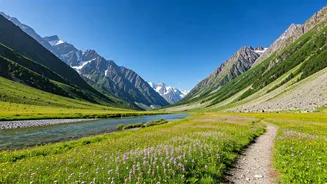
Forget the packed streets of Manali and Shimla. Nestled in the Kullu district of Himachal Pradesh lie Jibhi and the Tirthan Valley, part of a serene corridor often called the ‘Great Himalayan National Park Ecotone.’ This isn't just a location; it's a philosophy.
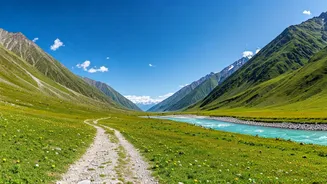
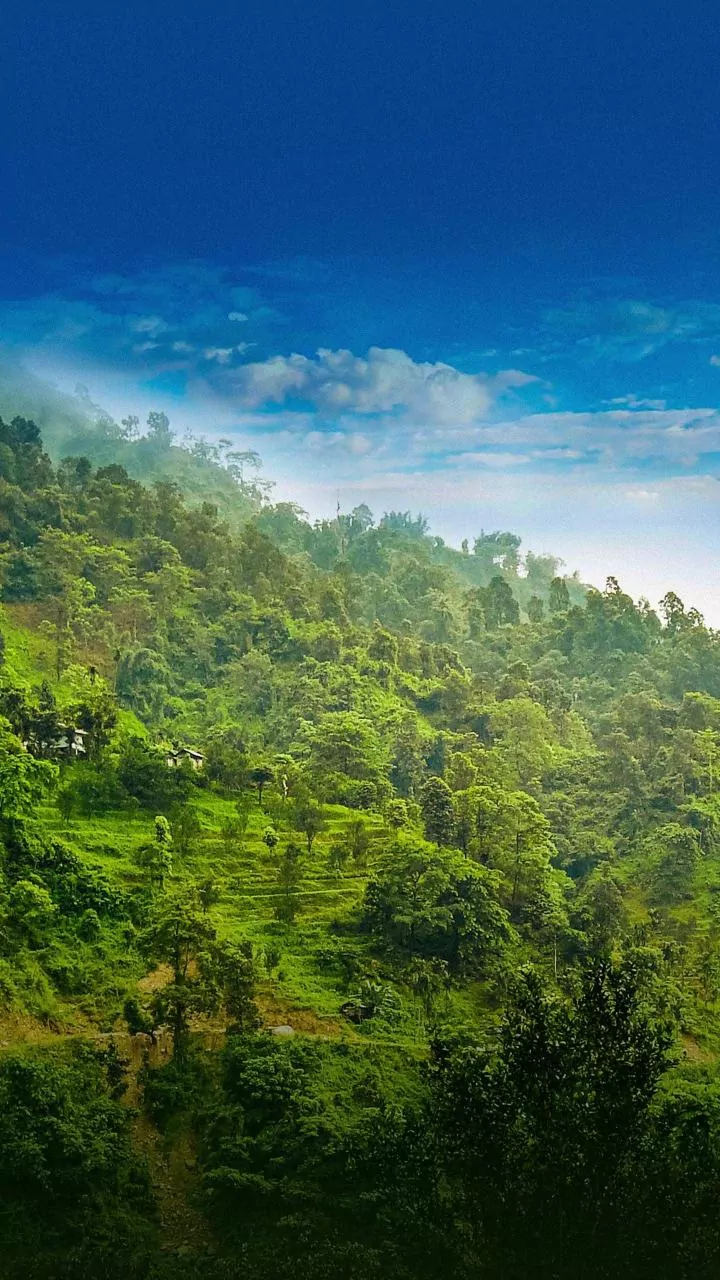
The area champions eco-tourism, preserving the pristine beauty that has been lost in more commercialized hill stations. For the American traveler seeking an alternative to the well-trodden paths of Southeast Asia or Europe, this region offers a glimpse into a slower, more connected way of life. June is an ideal time to visit—the snow has melted from the lower passes, the weather is pleasant, and the vibrant green of the landscape is at its peak before the heavy monsoon rains arrive in July.
Tirthan Valley: An Angler's Paradise and Hiker’s Dream
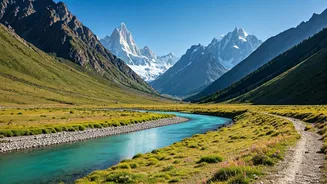
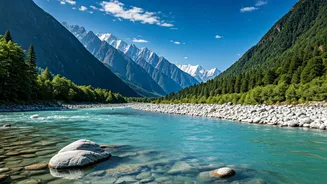
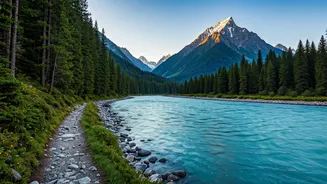
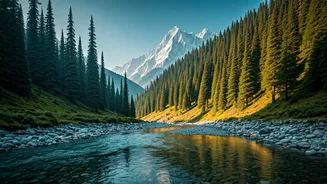
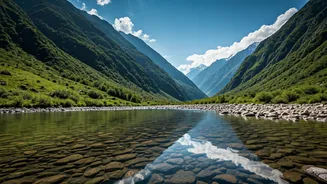
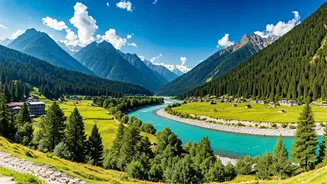
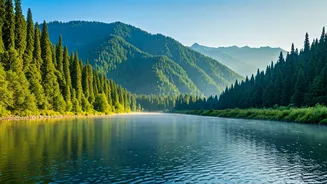
Tirthan Valley is named for the emerald Tirthan River that flows through it, originating from the icy springs of the Great Himalayan National Park (GHNP), a UNESCO World Heritage Site. This makes the valley a gateway to some of the most untouched wilderness in the Himalayas. The river is famous for its trout, making it a haven for anglers who can spend peaceful mornings casting a line in the crystal-clear water. The main hubs, like Gushaini and Nagini, are dotted with rustic homestays and guesthouses that sit right on the riverbank, offering the constant, soothing sound of flowing water. The vibe here is tranquil and nature-focused. It’s less about cafes and more about appreciating the raw, unspoiled landscape.
Top Experiences in Tirthan
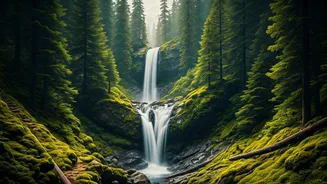
The primary draw is the Great Himalayan National Park. While deep treks require permits and guides, shorter day hikes to the park’s entrance are accessible and rewarding. A popular, easy trek leads to a stunning hidden waterfall just outside the park boundaries. For a dose of local culture, visit the villages of Sharchi and Pekhri to see traditional Himachali architecture and life. But honestly, one of the best things to do in Tirthan is simply nothing at all. Find a comfortable rock by the river, pull out a book, and let the sheer beauty of the valley wash over you. It's a place designed for digital detox and mental reset.
Jibhi: A Bohemian Hamlet with Fairytale Forests
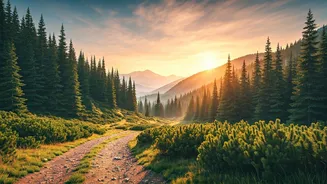
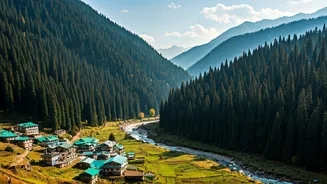
Just over the Jalori Pass from the Tirthan side lies Jibhi, a small village that has become a favorite for backpackers and travelers seeking a cozy, bohemian atmosphere. Jibhi feels like a storybook setting, with its unique Himachali houses built of wood and stone, a gurgling stream running through the village, and dense pine and deodar forests all around. While Tirthan’s identity is tied to the river and the national park, Jibhi’s charm lies in its forests and its slightly more developed, yet still rustic, cafe culture. It's the kind of place where you can find a delicious slice of cake and a good cup of coffee after a long hike through the woods.
Must-Dos in and Around Jibhi
The star attraction near Jibhi is the drive or trek up to Jalori Pass (10,800 feet). From the pass, you can take two incredible short hikes. One leads to Serolsar Lake, a serene body of water surrounded by thick oak trees. The other goes to the ruins of Raghupur Fort, which offers breathtaking 360-degree views of the surrounding Himalayan ranges. Another unmissable spot is Chehni Kothi, a towering example of traditional Kath-Kuni architecture. This impressive wooden tower was built centuries ago as a defensive structure and offers a fascinating look into the region's history. And, of course, there are countless unnamed waterfalls and forest trails to discover on your own.
Practical Tips for Your Trip
Getting to Jibhi and Tirthan involves an overnight bus or a private taxi from Delhi or Chandigarh, followed by a scenic, winding drive into the mountains. The journey is part of the adventure. For accommodation, you’ll find an abundance of homestays and guesthouses, which are the best way to experience local hospitality. Don’t expect luxury resorts; do expect warm, home-cooked meals. Pack layers, as mornings and evenings can be cool, and a good raincoat for the occasional pre-monsoon shower. While cellular data is available, Wi-Fi can be spotty. Embrace it. These valleys are a perfect excuse to disconnect from the grid and reconnect with nature.