

The New Uniform: Intentional Nonchalance
Walk through any college campus or scroll through TikTok, and you’ll see it. The dominant look isn't about head-to-toe designer labels or chasing the fastest, cheapest fashion trends. Instead, it’s a carefully constructed collage of seemingly disparate
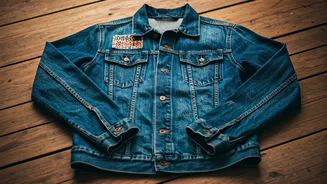
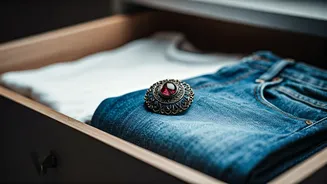
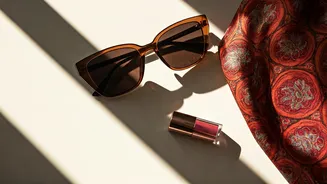
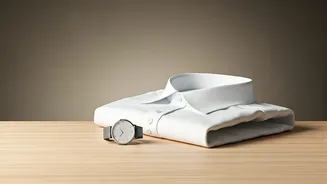
pieces. Think a pair of perfectly worn-in Levi’s, a simple Uniqlo t-shirt, and then the twist: a weirdly shaped vintage handbag, a grandfather’s old watch, or a pair of brightly colored Salomon trail runners that have never seen a trail. This isn't minimalism, which can feel sterile, nor is it maximalism, which risks looking try-hard. It’s a delicate balance of looking interesting without looking like you spent hours getting ready. The goal is to project a story and a point of view. The question the outfit should answer isn't “What brand are you wearing?” but “Who are you?”
A Backlash Against Cringe
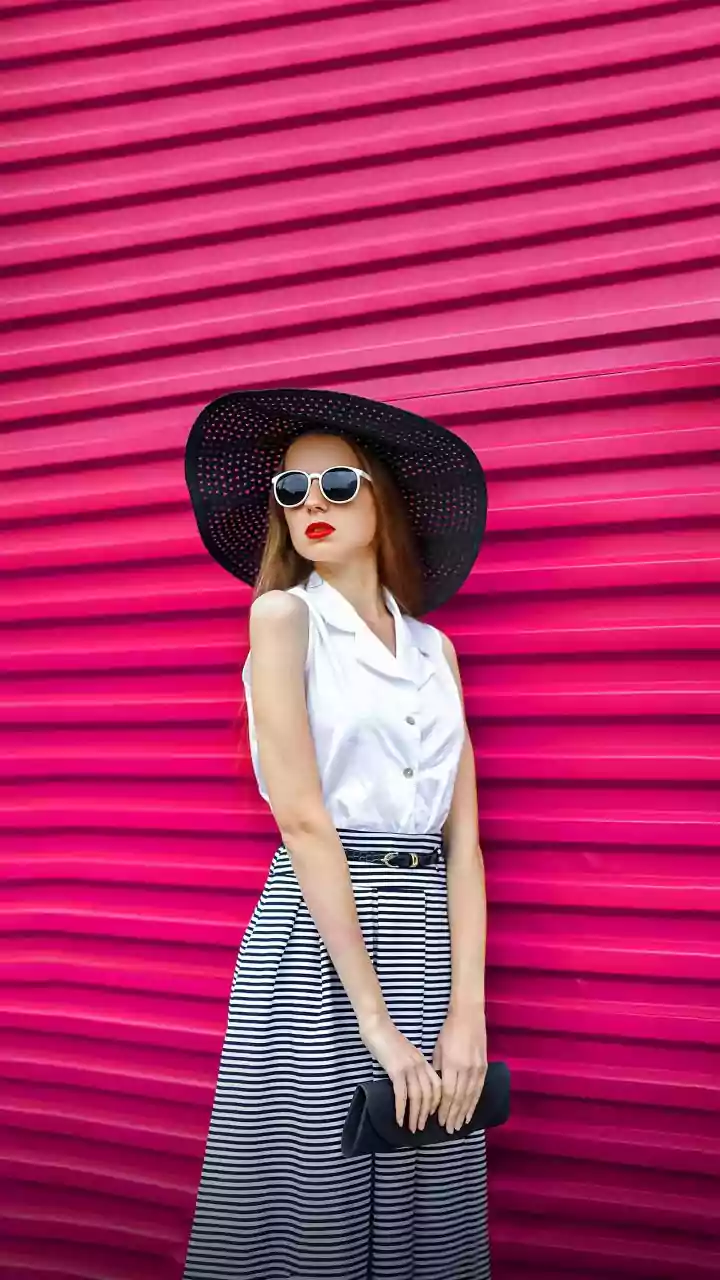
To understand this shift, you have to look at what it’s reacting against. For years, the aspirational look, peddled by first-wave influencers on Instagram, was one of hyper-curation and polished perfection. Every photo was staged, every outfit was new, and every post was an ad. For a generation raised on the more chaotic, algorithm-driven authenticity of TikTok, this level of performance feels dated and, in the parlance of our times, 'cringe.' Looking “overdone” now signals a lack of self-awareness. It suggests you’re playing a part rather than just being yourself. The new currency is relatable authenticity. The algorithm on TikTok rewards spontaneity and perceived realness, and this has bled into style. The ultimate faux pas is no longer being underdressed, but appearing to have tried too hard to follow a trend that doesn't feel genuinely 'you.'
The Algorithm as a Personal Shopper
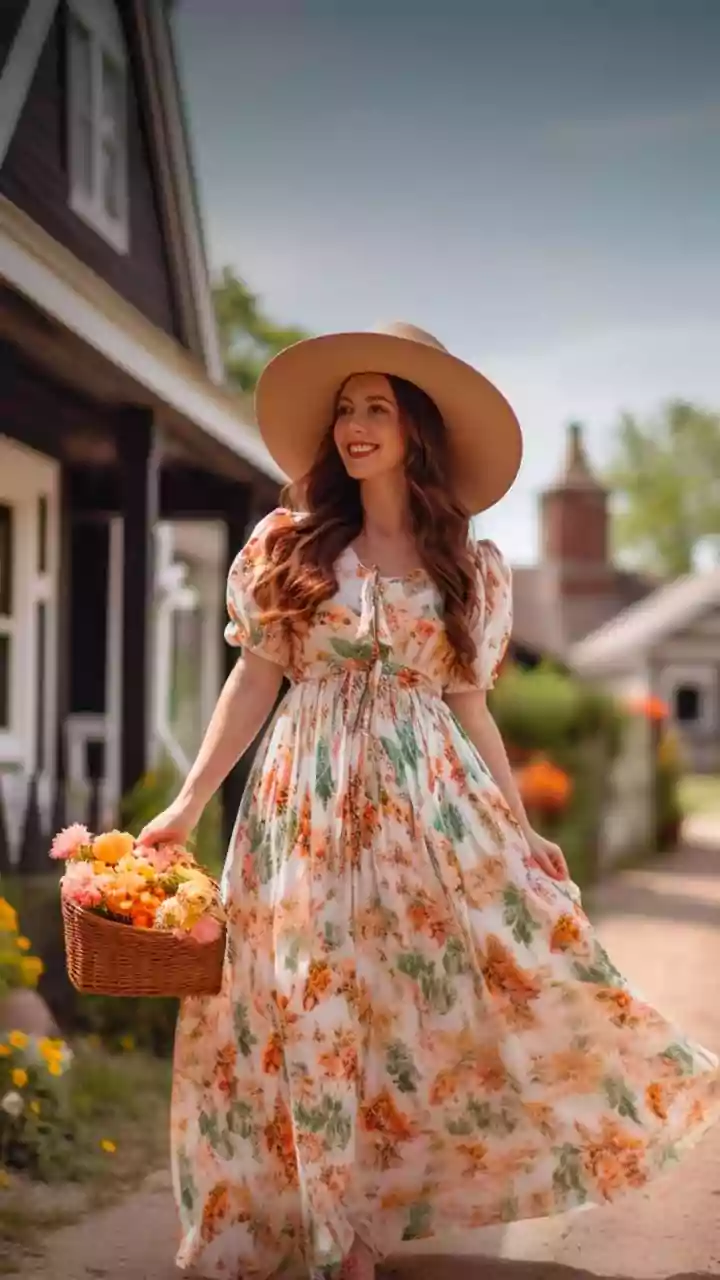
Ironically, the same technology that created the pressure for perfection is now fueling the quest for personality. TikTok’s powerful algorithm serves users a hyper-personalized diet of niche aesthetics, from 'Coastal Grandmother' to 'Gorpcore' and 'Cluttercore.' But unlike the monolithic trends of the past, these 'cores' aren't meant to be adopted wholesale. Instead, they act as a creative buffet. A young shopper might pull the cozy knitwear from one aesthetic, the practical footwear from another, and the quirky jewelry from a third. The result is a unique, personalized style that feels discovered rather than prescribed. This pick-and-mix approach allows individuals to craft an identity that is informed by trends but not dictated by them. It’s a way of participating in culture on your own terms, creating a visual fingerprint that is both of-the-moment and deeply personal.
Shopping for Character, Not Clout
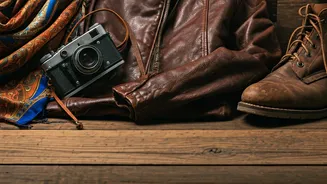
This mentality has fundamentally changed how young people shop. The thrill of a massive fast-fashion haul has been replaced by the satisfaction of the 'good find.' Thrifting, combing through consignment apps like Depop and The RealReal, and scouring vintage stores are no longer just budget-friendly options; they are core to building a wardrobe with personality. An old, slightly-stained band tee has more character—and therefore, more value—than a pristine new one from a big-box retailer. The same goes for investment pieces. Instead of buying ten cheap tops, the thinking goes, save up for one high-quality, interesting jacket or a pair of well-made shoes that can anchor a dozen different outfits. It’s a more considered, story-driven approach to consumption, where each item is chosen to add a new chapter to the owner's personal narrative.