






The Islands Turn Emerald Green
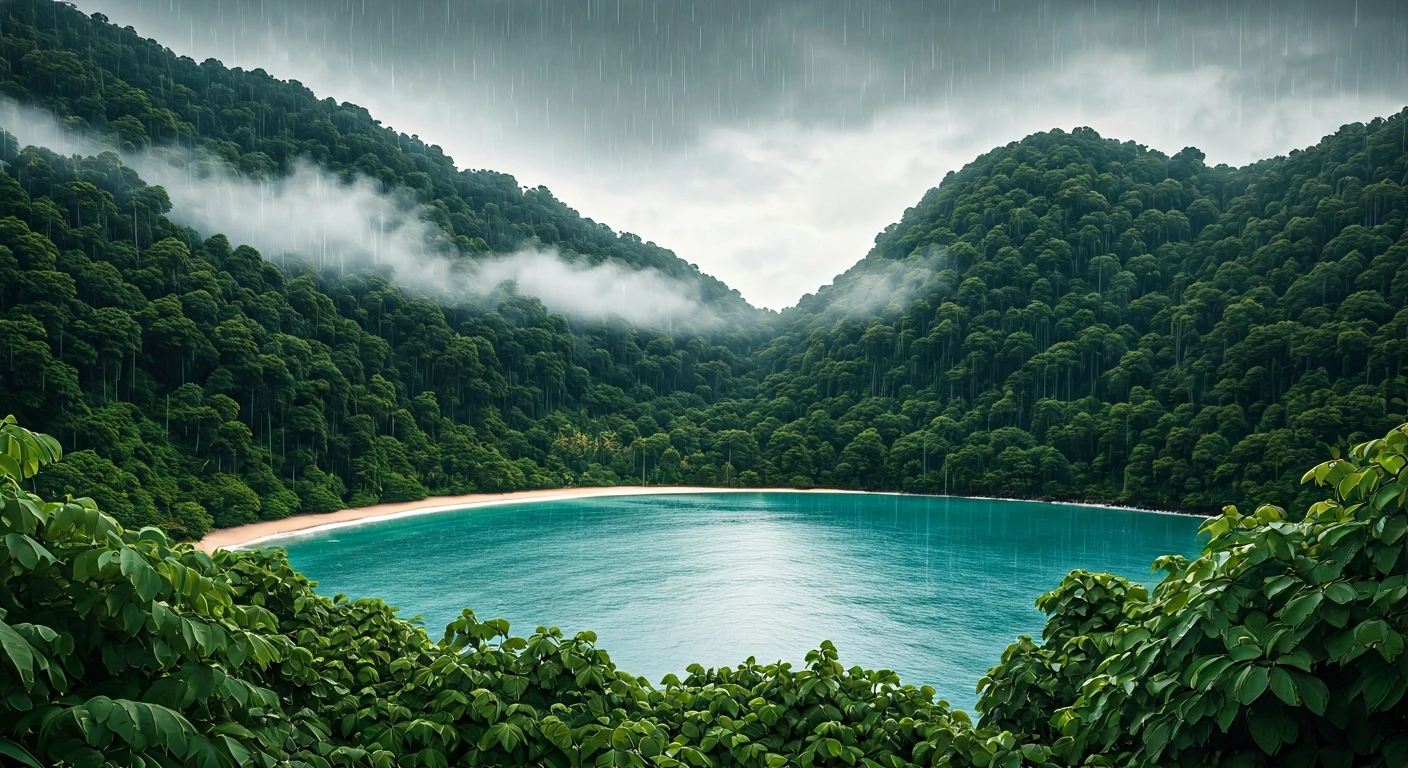
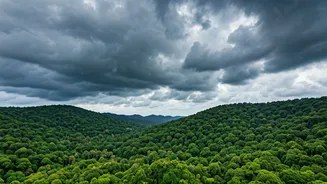
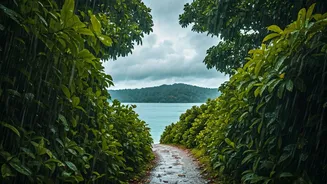
The first thing you’ll notice is the color. During the monsoon, which typically runs from late May through September, the Andaman Islands shed the slightly dusty look of the dry season and transform into a landscape of impossible vibrancy. The rain, often
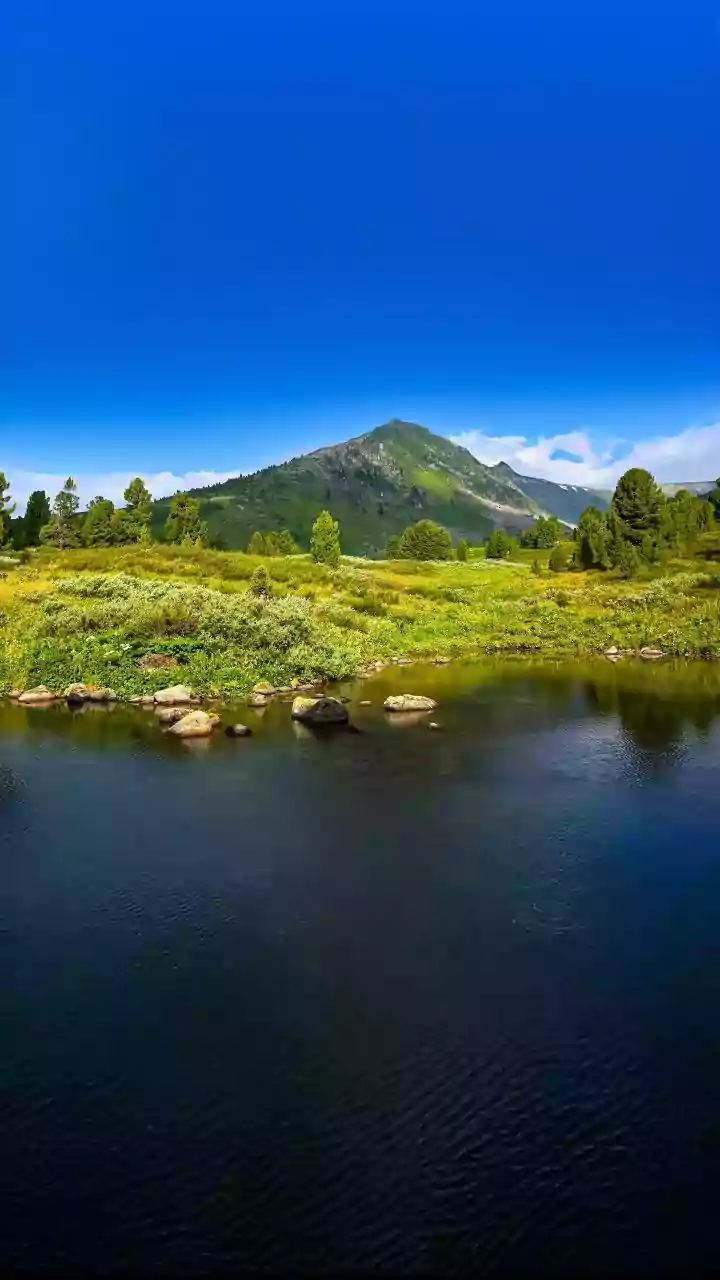
arriving in dramatic but short-lived bursts, supercharges the tropical flora. Every leaf on every tree, from the towering Padauk woods to the dense mangrove forests, gleams with a deep, saturated green. The rice paddies become liquid emeralds, and the air itself feels cleaner, washed free of dust and haze. This isn’t a dreary, waterlogged landscape; it’s a living, breathing ecosystem at the peak of its power and beauty.
Dramatic Skies and Moody Seas
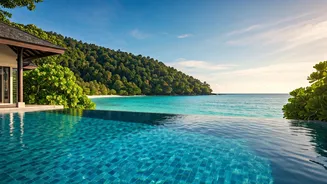
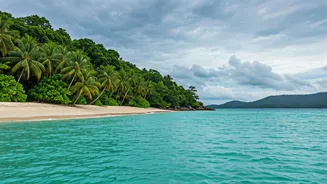
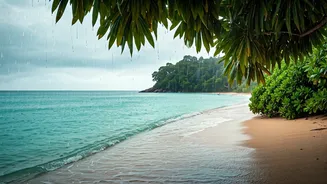
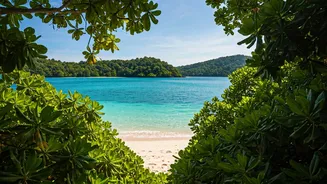
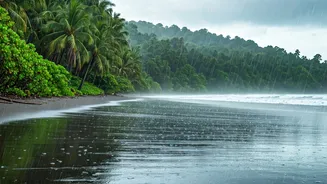
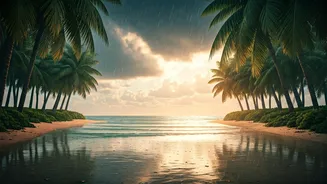
If you’re a photographer—or just someone who appreciates a good view—the monsoon sky is a spectacle in itself. Forget endless, boring blue. The “green season” brings dynamic, ever-changing cloudscapes that shift from slate gray to bruised purple before breaking open to reveal dazzling shafts of golden sunlight. These dramatic skies create an entirely different mood over the famous beaches like Radhanagar. The turquoise water contrasts sharply with the brooding clouds, making for powerful, atmospheric photos you could never capture in the peak-season sun. The sea can be rougher, but watching the powerful waves crash against the shore from the safety of a beachside cafe is a mesmerizing experience.
Fewer Crowds, More Serenity
Perhaps the single greatest advantage of a monsoon visit is the solitude. The Andaman Islands, particularly popular spots on Havelock (Swaraj Dweep) and Neil (Shaheed Dweep), can get busy during the peak tourist months from November to February. But during the monsoon, the crowds vanish. You’ll have vast stretches of world-class beaches almost entirely to yourself. You can stroll through quiet village markets, get a table at the best restaurants without a reservation, and experience a sense of peace that’s impossible to find when you’re sharing the view with hundreds of other tourists. It’s a chance to connect with the islands on a more intimate, personal level.
Big Savings on a Dream Trip
This peaceful paradise also comes at a discount. Because the monsoon is considered the “off-season,” airlines and hotels slash their prices to attract visitors. Flights from the Indian mainland are often significantly cheaper, and you can find incredible deals on resorts and bungalows that would command premium rates just a few months later. This makes a trip to a relatively exclusive destination much more accessible. The money you save on accommodations can be spent on experiences like indulgent seafood dinners or scuba diving trips on days when the weather cooperates and the seas are calm enough for boats to go out.
A Practical Guide to the Green Season
Embracing the monsoon doesn’t mean being unprepared. A few practical tips can make all the difference. First, be flexible. Ferry schedules between islands can be delayed or canceled due to rough seas, so build buffer days into your itinerary. Stick to the main islands like Havelock and Neil, as services to more remote locations become unreliable. Pack quick-drying clothes, a reliable rain jacket, and waterproof bags for your electronics. While some water sports like snorkeling or jet skiing may be limited, scuba diving often remains possible at certain sheltered sites. Most importantly, adopt a relaxed mindset. The monsoon is the perfect time to read a book, enjoy long conversations, and simply watch the rain fall. It’s a different kind of vacation—slower, cozier, and more contemplative.