




The Perfect Market Collision
For years, the alternative protein story was simple: make a plant-based patty that bleeds and tastes like a beef burger. Companies like Impossible Foods and Beyond Meat built billion-dollar brands on that premise. But as the market matures, the search
is on for the next frontier of growth. And many are finding it in the kitchens of the South Asian diaspora. It’s a collision of two powerful trends. First, the U.S. plant-based food market is a juggernaut, valued in the tens of billions and still growing. Second, the South Asian American community—people with heritage from India, Pakistan, Bangladesh, and more—is one of the fastest-growing and most affluent demographic groups in the country. This is a customer base with sophisticated palates, strong food traditions, and increasing demand for convenient, modern products that don't compromise on authentic flavor. For food companies, this isn't just a niche; it's a massive, largely untapped opportunity.
More Than Just a Veggie Burger
So why now? For one, first-generation alternative proteins weren't a great fit for Desi cuisine. A crumbly veggie burger patty simply can’t replicate the textural magic of slow-cooked lamb in rogan josh or the fine mince of keema. South Asian cooking demands proteins that can be marinated for hours, simmered in rich sauces, and hold up to a complex symphony of spices without turning to mush. The technology had to catch up.
Today’s plant-based meats are far more versatile. Innovations in pea, soy, and even mycoprotein technology allow for the creation of plant-based products that mimic the texture of chicken chunks, ground meat, and even lamb. These new formulations are designed to be a blank canvas, ready to absorb the bold flavors of ginger-garlic paste, turmeric, and garam masala. This technical leap has opened the door for brands to move beyond the grill and into the curry pot.
The Pioneers of Plant-Based Desi
Both industry giants and nimble startups are jumping in. Impossible Foods, for example, made a concerted push by showcasing how its plant-based “meat” could be used in traditional Desi recipes like keema pav. They understood that success wasn’t about selling a burger, but about selling an ingredient that a home cook could seamlessly swap into a cherished family recipe.
At the same time, a new wave of brands is emerging that are Desi-focused from day one. Companies like California-based Black Sheep Foods are developing plant-based lamb alternatives, targeting dishes where lamb is the star. In the UK, a brand called Shicken gained widespread acclaim for its pre-made, plant-based versions of classic Indian takeaways like chicken tikka masala and korma, proving a massive appetite for convenience without compromise. These companies aren't just adapting a product; they are building their identity around a specific culinary tradition.
A Complex Cultural Palate
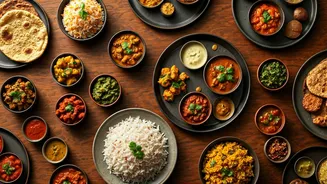
Targeting the Desi market requires cultural fluency. It’s a common misconception that everyone from the Indian subcontinent is vegetarian. While India does have the highest population of vegetarians in the world, meat-based dishes like biryani, kebabs, and butter chicken are iconic and deeply loved across different regions and religions. For many, these dishes are central to celebrations and family gatherings.
This is where alternative proteins find their sweet spot. They aren’t just competing with paneer and dal; they are offering a plant-based way to enjoy non-vegetarian classics. This appeals to a wide range of consumers: second-generation immigrants looking for healthier or more sustainable versions of their comfort food, lifelong vegetarians curious about the taste of forbidden flavors, and flexitarians who want to reduce meat consumption without giving up their favorite meals. By providing a credible alternative to meat in these culturally significant dishes, brands can connect with consumers on an emotional level.