


What Exactly is Moringa?
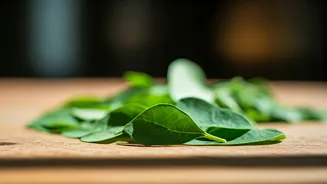
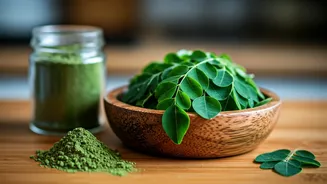
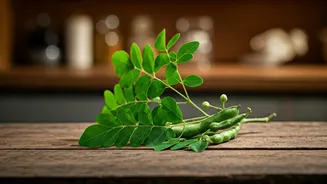
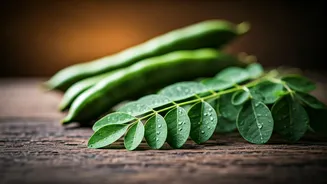
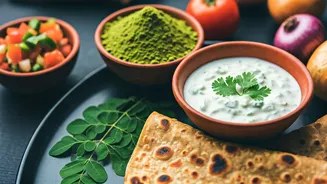
Moringa oleifera, often called the “drumstick tree” or “miracle tree,” is a plant native to parts of India and Africa. For centuries, its leaves, pods, and seeds have been used in traditional medicine and cooking. In the U.S., you’re most likely to find
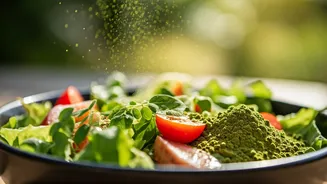
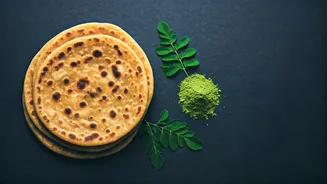
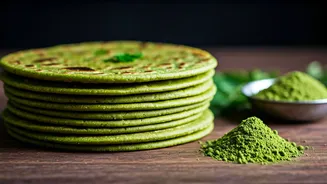
it as a vibrant green powder made from dried and ground moringa leaves. Unlike some wellness ingredients with overpowering tastes, moringa has a relatively mild, earthy flavor. Think of it as a cousin to spinach or matcha—present, but not so aggressive that it hijacks your entire meal. This subtlety is exactly what makes it so easy to incorporate into your existing diet without a fuss.
A Nutrient-Dense Addition
The buzz around moringa isn't just hype; its nutritional resume is genuinely impressive. The leaves are packed with vitamins and minerals. A single serving of the powder can deliver a significant dose of vitamin C, iron, vitamin B6, riboflavin, and vitamin A. It’s also a source of plant-based protein, containing all nine essential amino acids, which is rare for a plant. Furthermore, moringa is rich in antioxidants, compounds that help fight cellular damage in the body. While research is ongoing, studies have suggested moringa may have properties that could help reduce inflammation and balance blood sugar. It's not a magic cure-all, but it is a powerful way to add a concentrated burst of nutrients to your food with very little effort.
Simple Ways to Upgrade Your Meals
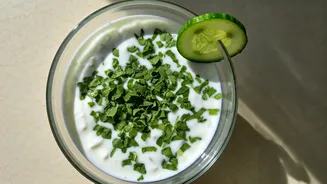
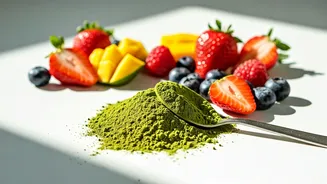
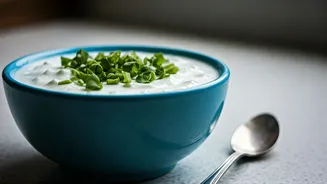
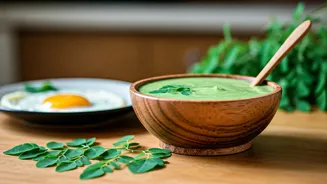
This is where moringa truly shines—its adaptability. You don’t need special recipes or a complete dietary overhaul. Just start with a teaspoon and see how it works for you. Here are some of the easiest ways to get started: **Morning Smoothies:** This is the classic entry point. Add a teaspoon of moringa powder to any fruit or vegetable smoothie. Its green, earthy notes pair especially well with tropical fruits like mango, pineapple, and banana, which help balance its flavor. **Scrambled Eggs or Tofu:** Whisk a half-teaspoon into your eggs or tofu scramble before cooking. It will turn them a light green color but will mostly blend into the savory flavors, especially if you’re also using herbs or other vegetables. **Soups and Stews:** Moringa powder is a fantastic “secret ingredient” for soups, stews, and curries. Stir it in toward the end of cooking to preserve its nutrients. It adds a subtle depth and a major nutritional boost to lentil soup, chicken noodle, or a hearty chili. **Sauces and Dressings:** Mix moringa into your favorite vinaigrette, a creamy yogurt-based dip, or even a pesto. It adds color and nutrients without drastically altering the taste profile you already love. A moringa-infused lemon-tahini dressing, for example, is a game-changer for salads and grain bowls. **Oatmeal and Yogurt:** For a simple breakfast upgrade, just stir a spoonful of moringa powder directly into your morning bowl of oatmeal or Greek yogurt. A drizzle of honey or a handful of berries can help round out the flavor.
Tips for Getting Started
Before you go all-in, there are a few things to keep in mind. First, start small. A half-teaspoon to a full teaspoon a day is a great starting point. Because it can have a mild laxative effect, giving your body time to adjust is wise. Second, taste as you go. While mild, its flavor can become more pronounced and slightly bitter in larger quantities. Find the amount that works for your palate. You can find moringa powder online, in health food stores, and in the international aisle of many larger supermarkets. Look for products that are 100% pure moringa leaf powder from a reputable brand. As with any supplement, if you are pregnant, nursing, or have a pre-existing health condition, it's always best to consult with your doctor before adding it to your routine.