







First, What Is Biophilic Design?
The term might sound academic, but the concept is beautifully simple. Coined from 'biophilia,' which literally means 'a love of life,' it’s the practice of connecting people and nature within our built environments. This goes far beyond placing a few
potted plants on a windowsill. True biophilic design is a holistic approach that integrates natural light, air, water, plants, and organic materials directly into a home’s architecture and interior. It’s about creating spaces that don't just look natural but *feel* natural, tapping into our innate human need to be close to the living world. Think large windows that frame a garden view, a central courtyard open to the sky, the use of raw wood and stone, or patterns that mimic the fractal complexity of a leaf or a seashell. The goal is to reduce stress, improve cognitive function, and enhance overall well-being by blurring the lines between indoors and out.
Why India, and Why Now?
While biophilia is a global concept, its enthusiastic adoption in India is a powerful response to a unique set of circumstances. Decades of rapid urbanization have turned cities like Mumbai, Delhi, and Bengaluru into dense concrete jungles, creating a profound and widespread yearning for green space. For many urban Indians, the home has become the last frontier for finding a pocket of nature.
The COVID-19 pandemic acted as a powerful accelerant. Confined to their homes, people began to scrutinize their living environments, prioritizing wellness, air quality, and mental peace like never before. The home was no longer just a place to sleep; it had to be a sanctuary, a school, and an office. This shift made the calming, restorative effects of biophilic design incredibly appealing.
Furthermore, this trend isn’t entirely new but rather a modern reinterpretation of traditional Indian architecture. For centuries, Indian homes have featured central courtyards (aangans), verandas, and intricate jaali screens—all elements designed for natural light, cross-ventilation, and a seamless connection to the outdoors. Today’s architects are simply reviving these time-tested principles with a contemporary aesthetic.
More Than Just a Potted Fern
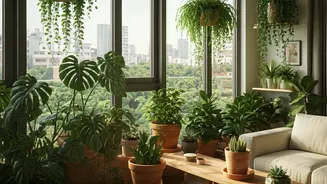
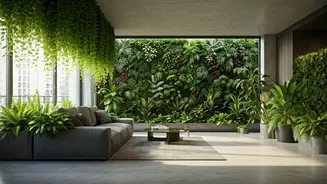
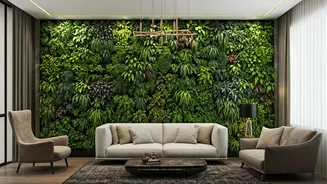
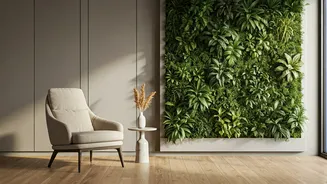
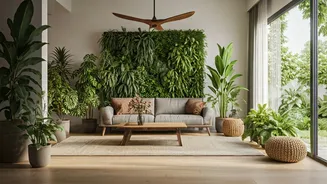
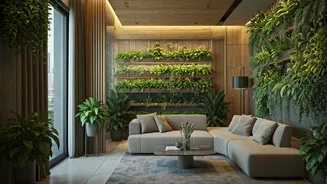
In practice, biophilic design in Indian homes is a feast for the senses. It manifests in stunning vertical gardens that cascade down apartment balconies, providing a curtain of green against the urban grit. We see double-height living rooms with entire walls made of glass, erasing the barrier to a lush backyard. Internal courtyards, once common in traditional havelis, are making a comeback in modern villas, channeling light and air into the heart of the home while creating a private, serene oasis.
Materials are key. Instead of imported marble and chrome, designers are championing local, earthy materials like terracotta tiles, jute rugs, rattan furniture, and exposed brick. These textures not only feel organic but also connect the home to its specific geographical and cultural context. Water features, from small, gurgling fountains in a corner to reflective pools in a courtyard, add a cooling and auditory element of tranquility, a welcome antidote to the city's noise.
A Blueprint for Healthier Living
While the headline calls it a 'standard,' it's more accurately a powerful and defining movement, particularly in new builds and high-end renovations. It signals a major shift in priorities, from pure aesthetics to a deeper focus on holistic well-being. This isn't just about making homes prettier; it's about making them healthier, more sustainable, and more humane.
For American homeowners and designers, the trend offers a valuable lesson. In our own quest for wellness and balance, the principles flourishing in India are universally applicable. It's a reminder that good design isn't about shutting the world out, but about thoughtfully letting the right parts of it in. It pushes us to consider how our spaces affect our minds and bodies, and to seek out designs that nurture our intrinsic connection to the natural world.