
The Joyful Chaos of More-Is-More
Just a moment ago, it felt like every home on social media was an explosion of personality. We embraced “maximalism,” a style defined by bold patterns, saturated colors, and layers upon layers of cherished objects. Gallery walls climbed to the ceiling,
bookshelves overflowed, and velvet sofas sat next to patterned rugs. This was “dopamine decor”—the idea that surrounding yourself with things you love, in all their glorious chaos, could spark joy and express a unique identity. It was a rebellion against the cold, impersonal minimalism of the 2010s. For many, it was a way to make home feel vibrant and alive during a time of uncertainty. But as with any trend, the peak of sensory overload has led to a yearning for its opposite: a deep, collective exhale.
Defining the New Calm Aesthetic
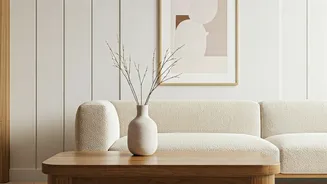
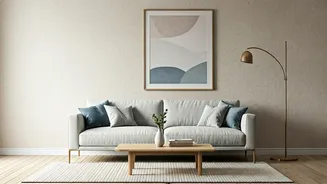
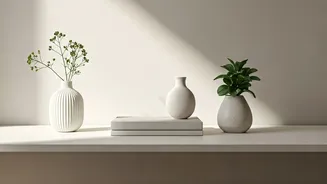
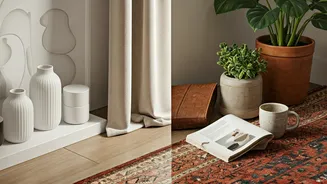
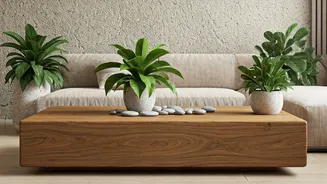
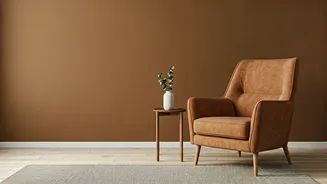
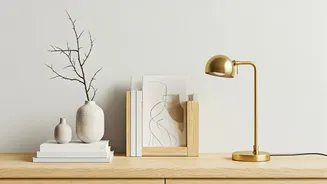
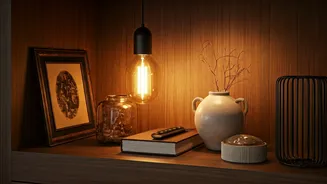
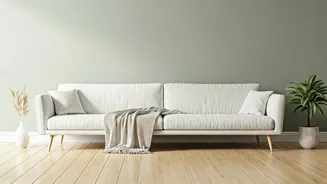
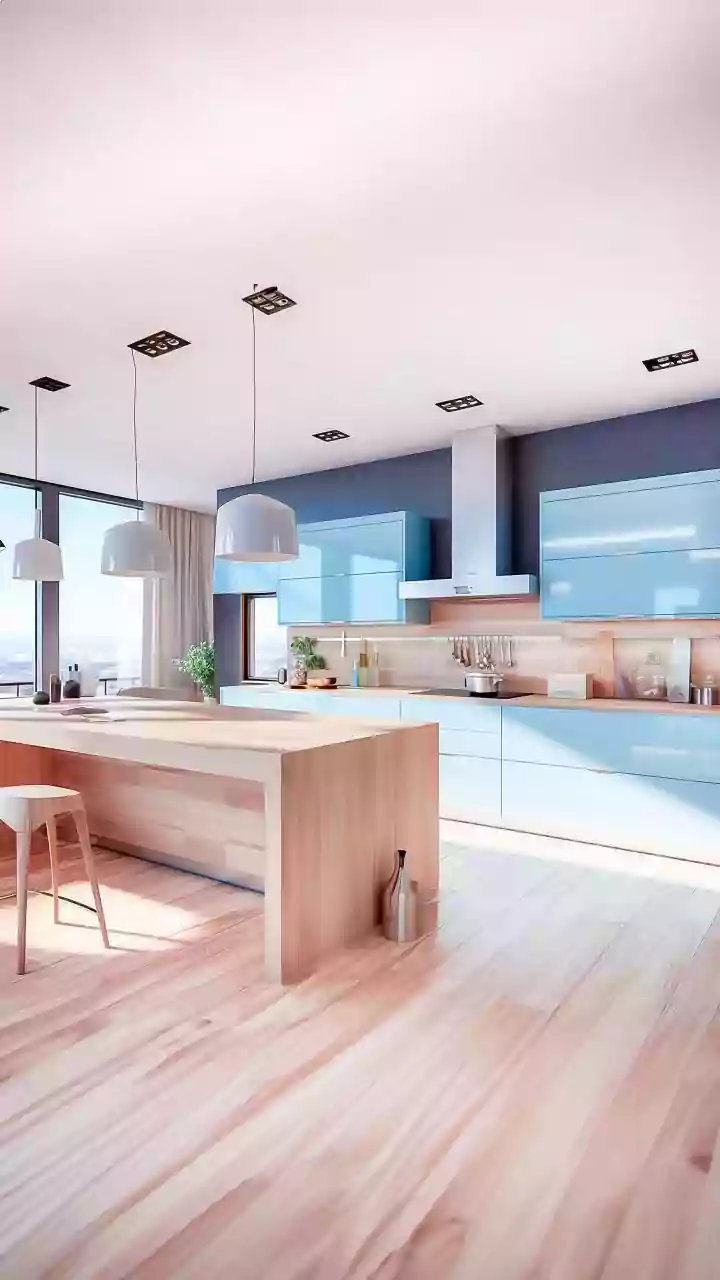
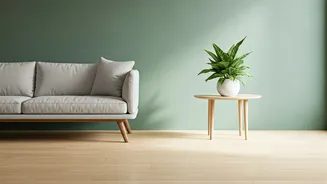
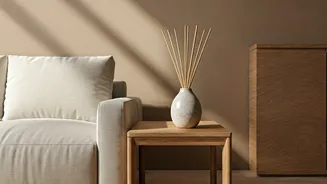
The move toward calm isn’t a return to the stark, empty white boxes of the past. Today’s serene spaces are warm, textured, and deeply personal—just edited. Think of it as “intentional minimalism” or the residential version of “quiet luxury.” This aesthetic prioritizes natural light, organic materials like wood and linen, and a soft, earthy color palette. It’s less about having nothing and more about ensuring that everything present serves a purpose, whether functional or emotional. The focus is on quality over quantity, craftsmanship over consumption. A single, beautifully made ceramic vase on a clean-lined wooden console has more impact than a dozen trinkets. The goal isn't to create a showroom, but a sanctuary—a space that soothes the nervous system the moment you walk through the door.
Why We're Suddenly Craving Quiet
So, why the sudden shift? The answer lies outside our homes as much as inside them. We live in an era of constant digital noise, endless notifications, and a 24/7 news cycle that fuels anxiety. Our brains are overstimulated. After years of this, the home is being reclaimed as the last bastion of peace. Maximalism, for all its charm, can contribute to visual clutter that subtly taxes our cognitive load. A calm, organized space, on the other hand, provides a sense of control and restfulness that the outside world often denies us. Interior designers and psychologists agree that our environment has a profound impact on our mental well-being. By reducing visual stimuli, we give our minds space to recharge. This trend is less about aesthetics and more about self-preservation—a conscious choice to build a personal retreat from a chaotic world.
Simple Ways to Cultivate Calm
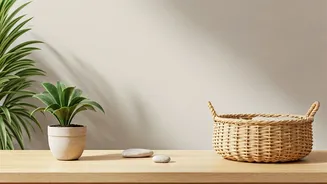
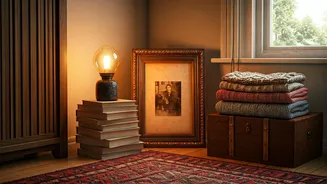
Embracing this shift doesn't require a gut renovation. It's about making small, intentional choices. Start with a 'calm-down edit': declutter one area at a time, keeping only what is useful, beautiful, or truly loved. Next, create visual cohesion with color. You don’t have to paint everything beige; instead, choose a limited palette of three to four complementary, soothing tones to create harmony. Pay attention to texture. A chunky knit blanket, a soft wool rug, or a smooth wooden bowl can add warmth and sensory comfort without adding clutter. Finally, manage your light. Maximize natural light during the day, and in the evening, use lamps with warm bulbs to create soft, inviting pools of light instead of harsh overhead fixtures. The key is to edit your environment with your own peace of mind as the guiding principle.