





Understanding the Ekadashi Diet
Ekadashi, which occurs on the eleventh lunar day of each of the two lunar phases in a month, is traditionally observed by fasting. For many practitioners, this means abstaining from all grains, beans, and lentils. The focus shifts to a lighter diet that
is easy to digest, allowing the body’s energy to be directed toward spiritual pursuits rather than heavy digestion. The goal isn't to starve, but to consume foods (known as 'phalahar') that are considered pure and sattvic—promoting tranquility and clarity. This typically includes fruits, most vegetables (with some exceptions, like onions and garlic), dairy products, nuts, and specific non-grain starches like tapioca pearls (sabudana) and potatoes.
Hydrate with Cooling Drinks
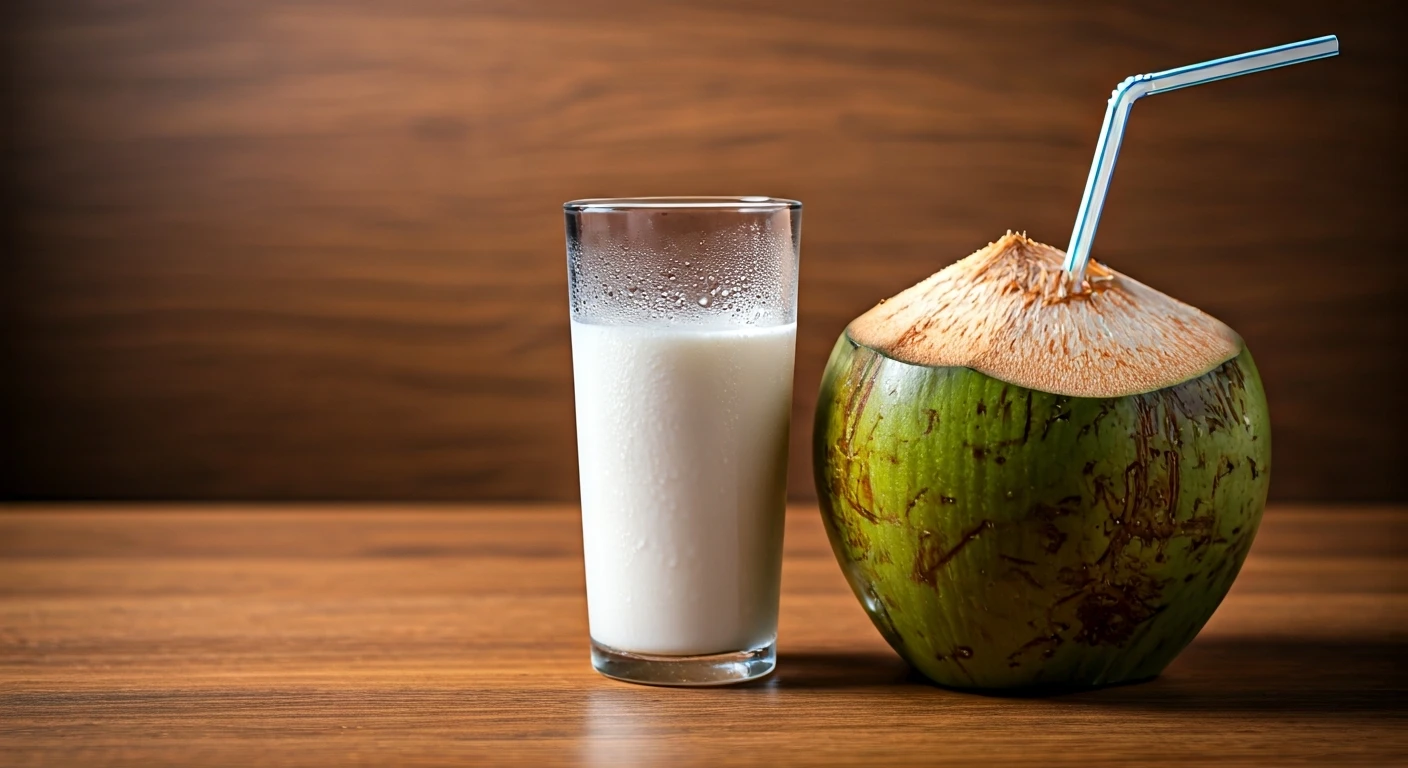
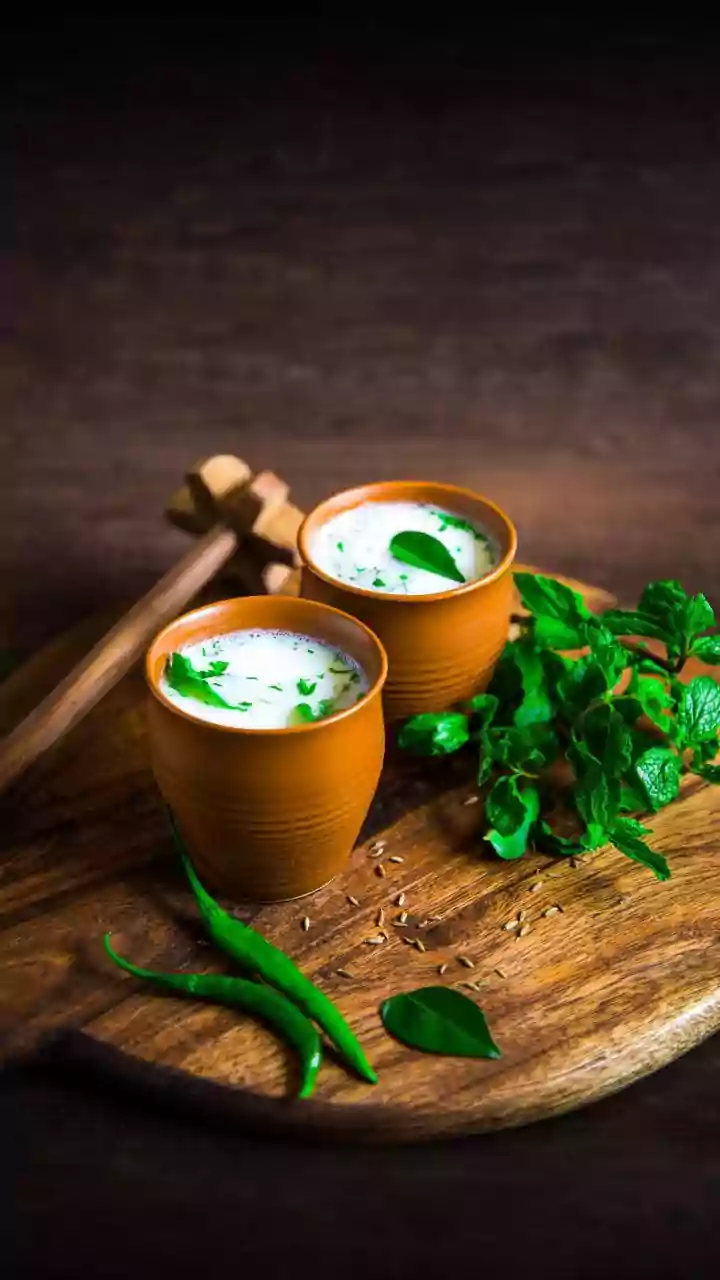
Hydration is paramount during any fast, and on Ekadashi, cooling drinks do double duty by refreshing the body and calming the system. Plain water is essential, but you can elevate it by infusing it with mint leaves, cucumber slices, or a squeeze of lemon. Fresh fruit juices, made from permissible fruits like oranges, pomegranates, or watermelon, provide natural sugars for a gentle energy boost. A classic choice is a simple lemonade (nimbu pani) made with rock salt (sendha namak) instead of regular table salt. For a more substantial option, a glass of lassi (sweet or salted yogurt drink) or buttermilk (chaas) seasoned with roasted cumin and fresh cilantro can be incredibly satisfying and aids digestion.
Embrace the Power of Fruit
Fruits are the cornerstone of the Ekadashi fast. They are hydrating, packed with vitamins, and provide easily accessible energy. A simple fruit salad is a perfect meal, but you can get creative. Try blending bananas and milk for a simple, grain-free smoothie. A bowl of chopped papaya, melon, and apple offers a mix of textures and flavors. You can even make a 'fruit chaat' by tossing diced fruits like apples, bananas, and grapes with a pinch of rock salt and black pepper for a savory twist. This approach keeps your energy levels stable without feeling heavy, perfectly aligning with the spirit of the day.
Nourish with Light Snacks
When you need something more substantial than fruit, there are plenty of delicious, grain-free snacks. Potatoes are a fasting favorite; they can be boiled and mashed with peanuts and spices to make patties (aloo tikki) or simply cubed and sautéed with cumin seeds and green chilies. Sabudana (tapioca pearls) are incredibly versatile. Soaked and cooked, they can be turned into a savory porridge (khichdi) with potatoes and peanuts or used to make crispy fritters (vada). Roasted makhana (fox nuts) seasoned with a little ghee and rock salt are a light, crunchy, and satisfying snack that feels indulgent.
Wholesome Dairy and Nuts
Dairy products and nuts provide healthy fats and protein, making you feel full and grounded. A bowl of plain yogurt with a drizzle of honey is both simple and nourishing. Cubes of paneer (a firm, non-melting cheese) can be lightly pan-fried and seasoned with rock salt and pepper for a quick, high-protein snack. A handful of almonds, walnuts, or pistachios can curb hunger pangs between meals. You can also make simple sweets, like a milk-based kheer using samak (barnyard millet, a permitted pseudo-grain) or by simmering grated bottle gourd (lauki) in milk until it thickens into a pudding.