

Redefining 'Fine Indian Dining'
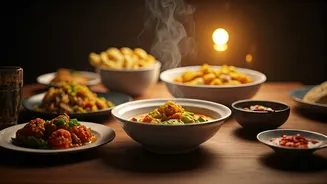
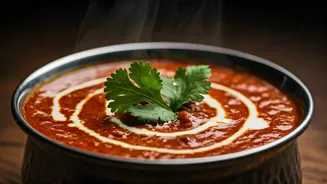
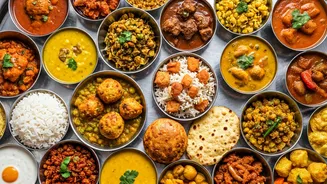
For decades, "fancy" Indian dining in the U.S. and even parts of India meant plush velvet chairs, sitar music, and a slightly more expensive version of butter chicken. That’s no longer the case. The new guard of Indian restaurants is challenging every
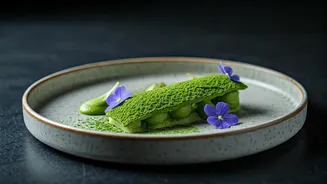
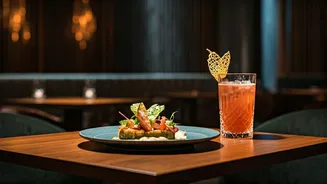
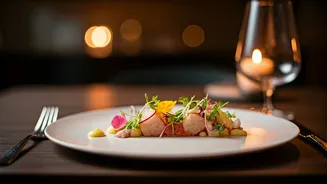
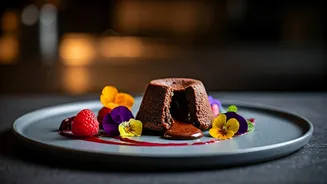
preconceived notion, creating experiences that are as much about avant-garde art as they are about ancestral recipes. We're talking 12-course tasting menus, wine and cocktail pairings that go beyond a simple Kingfisher beer, and plating that belongs in a museum. Restaurants like Masque in Mumbai (which has ranked among Asia's 50 Best Restaurants) and Indian Accent in New Delhi have become global destinations, showcasing a version of Indian food that is ingredient-focused, technically precise, and unapologetically high-end. This isn't about abandoning flavor; it's about elevating it through a global fine-dining lens.
What Does 'Softer' Even Mean?
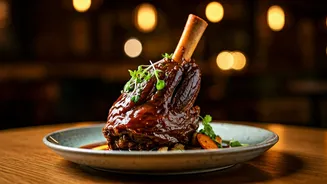
The word "softer" might seem strange when applied to a cuisine known for its fiery chilies and complex spice blends. But it’s not about turning down the flavor dial. It’s about texture and technique. This new culinary movement embraces delicate, often European or Japanese, cooking methods to reinterpret Indian ingredients. Think sous-vide lamb that’s impossibly tender, traditional greens transformed into a delicate foam, or a familiar lentil dish deconstructed into a surprising, airy mousse. Spices are used with surgical precision to highlight a hero ingredient—a perfect scallop, a locally foraged mushroom—rather than mask it in a heavy sauce. This approach introduces a subtlety and sophistication that allows diners to appreciate the nuances of regional Indian produce in a completely new way. It's a shift from a wall of sound to a beautifully arranged symphony.
The Forces Driving the Change
This transformation isn't happening in a vacuum. It’s fueled by a potent combination of talent and demand. A generation of Indian chefs, having honed their skills in the world's most demanding kitchens—from Noma in Copenhagen to The French Laundry in California—are returning home. They bring with them a global perspective and a mastery of modern techniques, which they are now applying to the flavors of their childhood. At the same time, India's booming economy has created a larger, more discerning class of diners. Exposed to global trends through travel and social media, they are hungry for novel experiences and willing to pay for world-class quality. This confluence has created the perfect environment for culinary innovation to flourish, moving modern Indian cuisine from a niche concept to a celebrated mainstream movement.
More Than Just a Restaurant Trend
What’s most exciting is that this isn't merely about fancy restaurants. It's about a fundamental shift in how Indian cuisine is perceived, both at home and abroad. These chefs are culinary storytellers and historians, digging deep into the subcontinent’s diverse food traditions to unearth forgotten ingredients and recipes. They are championing local farmers, foragers, and artisans, creating a supply chain that is both sustainable and uniquely Indian. A dish might tell the story of a specific Himalayan village, a coastal fishing community, or a spice route from centuries ago. By presenting these stories in a contemporary format, they are ensuring that India’s rich culinary heritage not only survives but evolves. It’s a powerful statement of cultural confidence, showing the world that Indian food is not a monolith but a dynamic and endlessly creative force.