






The Great Escape from Mumbai and Pune
To understand the shift, you first have to understand the ritual. Maharashtra, a state on India’s west coast and home to over 125 million people, contains the sprawling megacities of Mumbai and Pune. For the urbanites crammed into these concrete jungles,
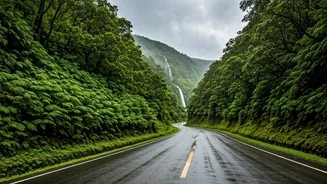
the weekend is a chance to breathe. For generations, this meant a predictable exodus. Families and friends would pile into cars and trains, heading to the nearby Western Ghats—a lush mountain range dotted with colonial-era hill stations like Lonavala and Matheran—or south along the Konkan coast to serene beach towns. The appeal was simple: cool mountain air, misty monsoon drives, and fresh sea breezes offered a reliable respite from the city's oppressive heat and hustle. This wasn't just a trip; it was a cultural pressure-release valve, a cornerstone of middle-class life.
When the Monsoon Turns Menacing
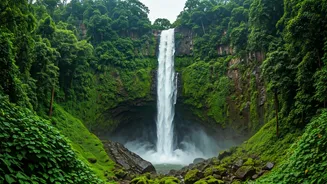
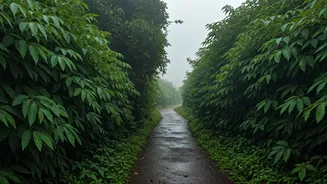
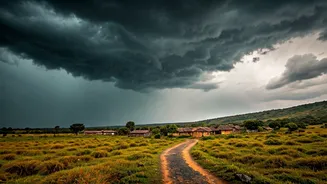
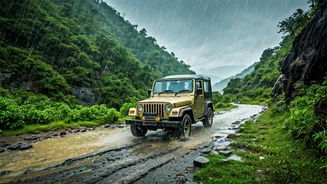
The Indian monsoon has always governed life in this region, but its character is changing. What was once a relatively predictable, life-giving season of rain is becoming erratic and dangerous. Climate scientists and meteorologists from the India Meteorological Department (IMD) have noted a clear trend: fewer rainy days, but more “extreme rainfall events.” Instead of a steady, gentle soak, the monsoon now often arrives with biblical deluges that dump a week's worth of rain in a few hours. For the hilly terrain of the Western Ghats, this is a recipe for disaster. The once-charming waterfalls that cascade down hillsides during a normal monsoon now signal the risk of catastrophic landslides. Roads that were destinations for scenic drives are now frequently washed away or blocked by debris, trapping tourists for days. Consequently, government advisories and “red alerts” for heavy rainfall, once rare, are now a common feature of the monsoon season, turning a planned romantic drive into a potential life-or-death situation.
From Spontaneity to Risk Assessment
The result is a fundamental change in how people plan their leisure time. The spontaneous “Let’s drive to Lonavala” text has been replaced by a pre-trip checklist that looks more like a military operation. Would-be travelers now compulsively check multiple weather apps, follow IMD alerts on social media, and scan community WhatsApp groups for real-time updates on road conditions. Hotels and resorts in these tourist hotspots, which once enjoyed guaranteed weekend bookings, now face last-minute cancellations driven by a single weather warning. The conversation has shifted from “Where should we go?” to “Where is it safe to go?” Some are forgoing the mountains entirely during peak monsoon, opting for “staycations” in the city or traveling to drier, less volatile regions. The carefree escape has been burdened with the very anxiety it was meant to alleviate.
A Global Warning Sign
This hyper-awareness might sound familiar. For an American, the experience of a Mumbaikar checking landslide warnings is not so different from a Californian checking wildfire maps and air quality indexes before a hike in the Sierra Nevada. It’s the same behavioral adaptation seen in a Floridian who obsessively tracks hurricane models before booking a beach vacation, or a Texan who thinks twice about planning an outdoor festival in the face of record-breaking heatwaves. The specifics change—landslides instead of wildfires, monsoon deluges instead of hurricanes—but the underlying story is identical. Across the globe, climate change is no longer an abstract concept. It is an active, intrusive force in our daily lives, forcing us to constantly re-evaluate risk in activities that were once considered benign. The changing weekend plans in Maharashtra are not a niche local story; they are a postcard from a future that is already arriving for everyone, everywhere.