

Beyond the Buffet
For decades, the story of Indian food in America was one of simplification. A vast and staggeringly diverse culinary landscape was often flattened into a handful of familiar dishes: chicken tikka masala, saag paneer, samosas. It was delicious, accessible,
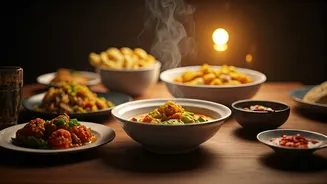
and laid the groundwork for a national love affair. But it was rarely the full story. Now, that story is getting a vibrant, long-overdue new chapter. The emerging trend isn't about rejecting the classics but about digging deeper. It’s about celebrating the specific, regional dishes that Indians actually eat at home, with their families, on special occasions. This is food steeped in memory and place—the kind of meal that tells you where it comes from. Think of it as the culinary equivalent of swapping a 'Greatest Hits' album for a deep dive into an artist's critically acclaimed, personal early work. The experience is richer, more specific, and ultimately, more satisfying.
Defining "Premium Comfort"
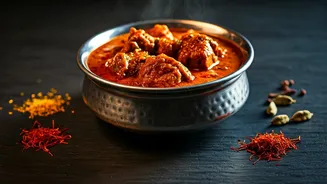
So, what exactly is “premium comfort” food? The “premium” part isn’t about white tablecloths, tiny portions, or gold leaf. It’s about the quality of the ingredients, the precision of the technique, and the specificity of the story being told. It’s a chef sourcing high-quality goat for a rustic Rajasthani stew that takes hours to prepare, just like their grandmother did, but with the consistency and craft of a professional kitchen. The “comfort” part is the soul. These are dishes that evoke a powerful sense of nostalgia and belonging, even for diners who have never been to India. It’s the universally understood feeling of a meal cooked with love, history, and a deep sense of place. It’s the food of celebration, of mourning, of everyday joy—food that nourishes more than just the body.
The Chefs Leading the Charge
This movement is being spearheaded by a new generation of Indian and Indian-American chefs who are tired of apologizing for or watering down their heritage. Chefs like Chintan Pandya and restaurateur Roni Mazumdar of New York’s Unapologetic Foods group (behind acclaimed spots like Dhamaka and Semma) have become pioneers of this philosophy. Their menus eschew the expected in favor of hyper-regional specialties. At Dhamaka, you won’t find chicken tikka masala, but you might find a fiery goat neck biryani or a humble dish of paneer made with green chickpeas. At Semma, the focus is on southern Indian flavors, celebrating rustic preparations that rarely made it onto U.S. menus. These chefs are not just cooking; they are acting as cultural ambassadors, using their restaurants as platforms to educate and delight diners with the true breadth of Indian cuisine.
Why Now? A Perfect Storm of Flavor
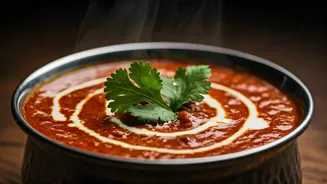
Several forces have converged to make this the perfect moment for premium Indian comfort food. First, the American palate has evolved. Decades of food television, travel, and internet culture have created a generation of diners who are not only willing but eager to try new things. They crave authenticity and a good story behind their meal. Second, second- and third-generation Indian Americans are increasingly connecting with their heritage through food, creating a domestic audience hungry for the tastes of their childhood. Finally, social media provides the perfect vehicle for this trend. A vibrant, unusual, and beautifully plated dish—like a whole fried fish smothered in spices or a bubbling pot of fragrant curry—is tailor-made for Instagram, sparking curiosity and driving foot traffic far more effectively than any traditional ad.