



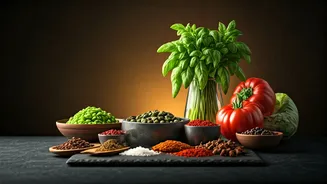


Our National Protein Fixation
First, let's talk about the star of the show: protein. For decades, protein was primarily the domain of bodybuilders and elite athletes. But somewhere in the last ten years, it became the wellness world's darling macronutrient. Fueled by the popularity
of Paleo and Keto diets, which put protein and fat on a pedestal while demonizing carbs, the message trickled down to the mainstream: protein keeps you full, builds muscle, and powers your metabolism. Soon, everything from breakfast cereal to bottled water was being 'protein-fortified.' This cultural shift created a new standard for what constitutes a 'complete' meal. A simple salad or pasta dish suddenly felt insufficient. Consumers began asking, 'But where's the protein?' This question fundamentally changed the game for plant-based food, forcing it to compete on turf previously dominated by meat, eggs, and dairy.
The Flexitarian Revolution
The second major factor isn't a mass conversion to strict veganism. It's the quiet but massive rise of the 'flexitarian'—someone who eats a primarily plant-based diet but still occasionally consumes meat and dairy. A 2021 survey found that over a third of Americans identify as flexitarian. These aren't people motivated by rigid ideology; they're driven by practicality. They might be cutting back on meat for their health, to reduce their carbon footprint, or simply because meat has become so expensive. For this huge demographic, a protein-rich veg meal isn't a compromise; it's an ideal solution. It satisfies the desire for a hearty, filling meal without the health, environmental, or financial costs of meat. Food companies and restaurants have taken notice, realizing the market isn't just a niche group of vegans, but a massive chunk of the mainstream population looking for better plant-forward options.
Beyond Just Tofu and Beans
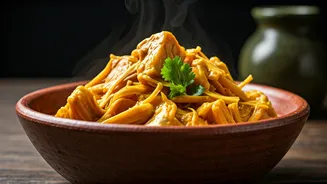
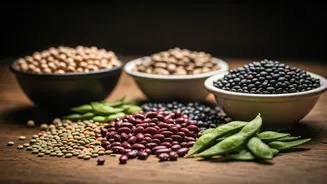
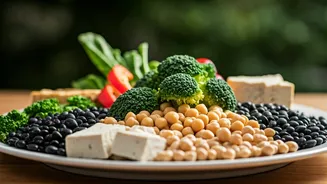
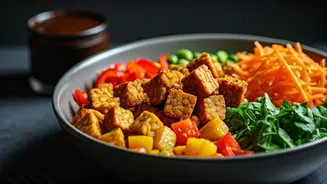
For years, the 'protein' in a vegetarian meal meant a sad block of unseasoned tofu or a scoop of canned beans. That's no longer the case. We're living in a golden age of plant-based ingredient innovation. Chefs and home cooks now have an incredible arsenal of protein-rich options that are genuinely delicious and texturally interesting. Hearty, earthy lentils form the base of robust stews. Chickpeas are roasted until crispy for salads or blended into creamy hummus. Quinoa, a complete protein, has become a household staple. Ancient grains like farro and freekeh add a satisfying chew. And then there are the workhorses like seitan, made from wheat gluten, which can mimic the texture of shredded meat, and tempeh, a fermented soybean cake with a firm, nutty bite. This culinary evolution means that creating a high-protein veg meal is no longer a challenge but a creative opportunity.
Marketing Meets the Moment
Finally, the food industry got smart. Brands realized that to sell plant-based products to the mainstream, they needed to speak the mainstream's language. And that language is protein. Look at the packaging for a plant-based burger or a bag of lentil pasta. The protein count is often displayed as prominently as the brand name. Menus at fast-casual chains like Cava or Sweetgreen explicitly list the protein grams in each ingredient, allowing customers to build a meal that meets their nutritional goals. This marketing strategy brilliantly repositions veggie meals. They are no longer framed as something 'lacking' meat, but as something 'packed' with a desirable nutrient. It's a simple but powerful psychological shift that makes a grain bowl feel just as substantial and satisfying as a steak.