

The High-Altitude Stage
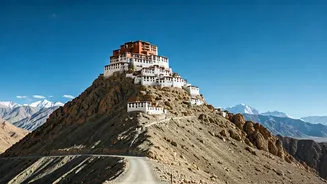
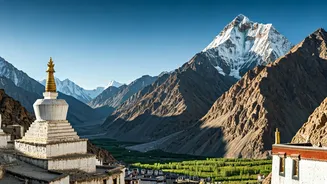
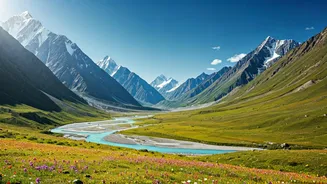
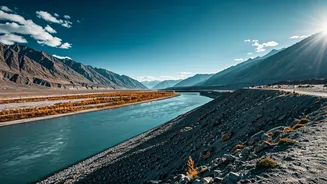
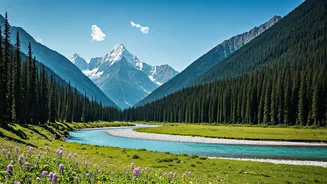
First, picture the setting. The Sindhu Darshan takes place in Leh, the main town in Ladakh, a region often called “Little Tibet” or “The Land of High Passes.” Situated at an altitude of over 11,500 feet, the air is thin, and the landscape is a dramatic
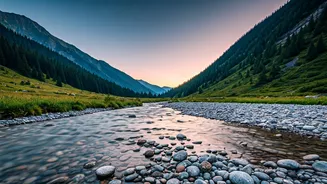
tapestry of barren brown mountains, deep blue skies, and the occasional splash of green in the river valleys. The festival itself is held on the banks of the Indus River, known locally as the Sindhu. This isn't just any river; it’s one of the great waterways of Asia, a cradle of civilization that gives India its name. The sheer scale and raw beauty of the location are a core part of the experience, creating a powerful backdrop for the festivities.
A Celebration of Unity and Water
At its heart, the Sindhu Darshan is a celebration of communal harmony and national identity, symbolized by the river that flows across borders. Inaugurated in 1997, the festival was conceived to promote the Indus as a symbol of India's diverse, multi-ethnic culture. Participants from all over the country bring water from their home rivers in earthen pots and merge it into the Indus. This ritual is a powerful metaphor for unity—many different streams flowing together to become one powerful force. It’s a moment of deep patriotic and spiritual significance, intended to reinforce the idea of a unified nation despite its incredible diversity.
Vibrant Cultural Performances
Expect a feast for the senses. A major highlight of the three-day festival is the kaleidoscope of cultural performances. Troupes from various Indian states descend on Leh to showcase their traditional music and dance. You might see the energetic Bhangra from Punjab, the graceful Bharatanatyam from Tamil Nadu, and of course, the colorful folk dances of Ladakh itself. These performances take place on a large stage near the riverbank, creating a vibrant, dynamic atmosphere. It’s a living, breathing exhibition of India’s rich cultural fabric, all set against the awe-inspiring Himalayan landscape. The blend of sounds, colors, and movements is truly unforgettable.
Spiritual Ceremonies and Rituals
Beyond the cultural displays, the festival is grounded in spiritual observance. Buddhist prayers are a central component, with senior lamas leading ceremonies on the riverbank. These moments offer a quiet, contemplative contrast to the high-energy dance performances. Priests conduct rituals honoring the river, seen as a life-giving force. For many attendees, both local and visiting, these ceremonies are the emotional core of the event. It’s an opportunity for reflection and to pay homage to nature in a place where its power is palpable.
Practicalities: Acclimatization is Key
If you plan on attending, the most important thing to remember is the altitude. Leh is higher than most ski resorts in the Rockies, and altitude sickness is a real risk. The standard advice is to spend your first day in Leh doing absolutely nothing—just rest and hydrate to allow your body to acclimatize. The festival usually takes place in June, when the weather is pleasant but can be unpredictable. Expect strong sun during the day and chilly temperatures at night. Pack layers, sunscreen, a hat, and sunglasses. The event is well-organized, but it’s still an outdoor festival in a remote region, so come prepared for basic facilities and a spirit of adventure.