



The Premium We Pay for Style
Think of it this way: a good insurance policy protects you from unforeseen, inconvenient, and potentially costly events. What is a day without pockets if not a series of minor, inconvenient events waiting to happen? The 'premium' we pay for pocketless
garments isn't just the literal cost of a handbag to lug our essentials around. It's the mental load of managing that bag, the flicker of panic when you can't find your keys in its depths, the awkward juggling act of holding a coffee, a phone, and trying to open a door. Without pockets, you are tethered. Your hands are never truly free. You’re forced to perform a constant risk assessment: Do I put my phone down on this public table? Do I cram my credit card into my shoe? Do I ask a friend, a partner, or a long-suffering stranger to hold my stuff? A garment with proper pockets pays out an immediate dividend: freedom. It’s the assurance that your most critical items are secure, on your person, and accessible at a moment’s notice. It’s the ability to move through the world unencumbered, ready for whatever comes your way.
A Policy Against Minor Disasters
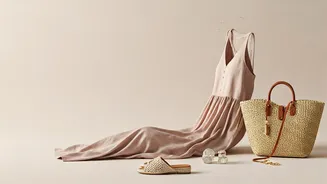
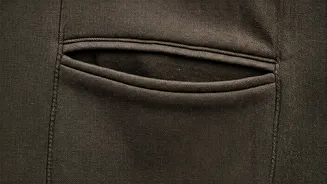
Every pocket is a tiny hero, a silent guardian against the small catastrophes that derail a perfectly good day. A deep pocket in a pair of jeans is comprehensive coverage against losing your phone. You can feel its reassuring weight against your thigh, a constant, tactile reminder that all is well. The pockets on a sundress? They are a policy covering spontaneous adventures, allowing you to say 'yes' to a walk on the beach without worrying about where to stash your room key and lip balm. This 'insurance' covers a multitude of scenarios. It’s the ability to quickly silence a phone in a quiet movie theater without a frantic, noisy bag search. It’s having a place to warm your hands on a chilly evening. It’s the simple, profound joy of finding a forgotten $5 bill — an unexpected policy payout. In contrast, the fake pocket, or 'p-faux-cket,' is the fashion equivalent of an insurance scam. It offers the illusion of security, only to reveal its uselessness at the moment of need. It’s a design choice that prioritizes appearance over the lived reality of the person wearing the clothes.
The Gender Gap in Coverage
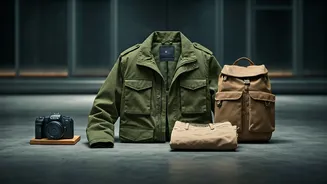
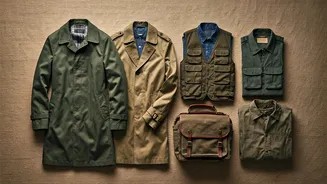
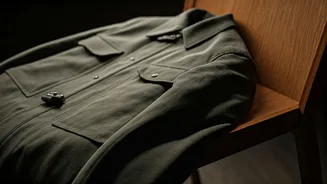
It’s no secret that this is an issue disproportionately affecting womenswear. For centuries, men's clothing evolved to incorporate internal and external pockets as symbols of utility and worldliness. They were for carrying tools, documents, and money. Women’s clothing, however, took a different path. As silhouettes slimmed down in the 19th century, the discreet, tie-on pockets women once wore under their voluminous skirts were designed out of existence, deemed disruptive to the smooth lines of a dress. What replaced them? The handbag. While a beautiful accessory, the handbag also subtly offloaded the responsibility of carrying things from the garment to an external object. This design legacy persists today. Men’s jackets have, on average, several deep, functional internal and external pockets. Women’s blazers might have one or two shallow, often decorative, pockets. The assumption, conscious or not, is that women have bags and men need utility. It’s a small detail that reflects a much larger, outdated story about who is expected to be practical and who is expected to be ornamental.
The Joy of a Comprehensive Plan
When you find that perfect garment with perfect pockets, it’s a moment of pure bliss. It’s the dress that lets you dance all night without a clutch. It’s the coat that can hold your phone, wallet, keys, and a paperback book. These are the clothes that understand you. They feel less like costumes and more like partners, designed to support your life, not just decorate your body. Celebrating pockets is celebrating smart design. It’s choosing clothes that grant you autonomy. The brands and designers who prioritize deep, sturdy, well-placed pockets are not just sewing fabric; they are offering a service. They are acknowledging that the person wearing their clothes has a life to live, things to do, and stuff to carry. It’s a declaration that practicality is not the enemy of style, but its greatest ally. Demanding pockets isn't a petty complaint; it's a call for clothing that respects our agency and freedom.