


What Exactly Is a Plant Wall?
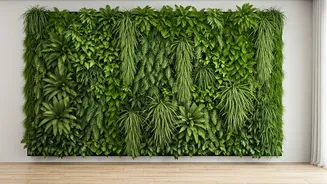
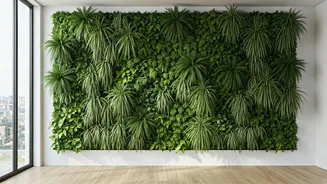
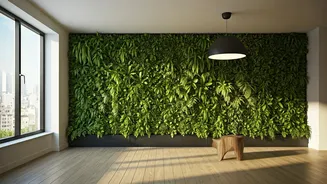
At its simplest, a plant wall—also called a living wall or vertical garden—is any vertical structure designed to hold and display plants. This can range from a simple set of wall-mounted shelves packed with potted greenery to a sophisticated, self-irrigating
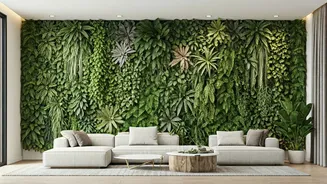
system where plants grow directly in a medium attached to the wall. The goal is to create a dense, continuous tapestry of foliage that serves as a living piece of art. Unlike a lonely ficus in the corner, a plant wall makes a statement, transforming a flat, boring surface into a vibrant, three-dimensional feature.
The Benefits of Going Vertical
The appeal of a plant wall goes far beyond aesthetics. It’s a core concept of biophilic design, which suggests that connecting with nature indoors can reduce stress and improve well-being. The visual impact alone is calming, turning a sterile space into a serene sanctuary. While a handful of plants won't purify your home's air like a commercial-grade filter (a common myth stemming from a misinterpretation of old NASA studies), they can help improve humidity levels. Furthermore, in smaller apartments, going vertical is a space-saving masterstroke, allowing you to indulge a green thumb without sacrificing precious floor space.
Path 1: The DIY Approach
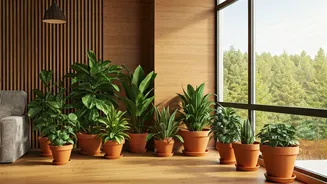
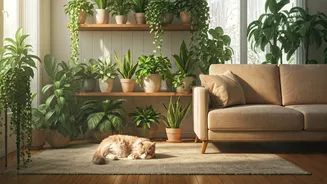
Creating your own plant wall is more accessible than you might think. The easiest entry point is creative shelving. Arrange several floating shelves at different heights and pack them with a variety of trailing and upright plants. Another popular method is using wall-mounted pocket planters made from felt or recycled plastic. You simply fill each pocket with soil and a plant. For a more structured look, you can install a trellis or grid system and train climbing plants like pothos or philodendron to grow up it. The key to a successful DIY wall is choosing the right location for light and being prepared for manual watering.
Path 2: Professional Systems
For a truly show-stopping, low-maintenance installation, professional systems are the gold standard. These are modular panels with built-in hydroponic or drip irrigation systems that water the plants automatically. A professional will help you choose plants best suited for your home’s light and temperature, design the layout, and handle the entire installation, which often includes waterproofing the wall and connecting the system to a water source. While the upfront cost is significantly higher, a professionally installed living wall offers a level of density and health that is difficult to replicate with DIY methods, making it a true long-term investment in your home.
Best Plants for Your Wall
Not all houseplants are created equal when it comes to vertical living. The best choices are typically hardy, adaptable, and don't require huge root systems. For lush, trailing effects, Golden Pothos, Heartleaf Philodendron, and English Ivy are champions. They are forgiving and cascade beautifully. For texture and foliage variety, consider ferns (like Bird’s Nest or Boston Fern), which love the humidity that a dense planting provides. Other great options include Spider Plants, for their arching leaves and baby plantlets, and Aglaonema (Chinese Evergreen), which tolerates lower light conditions. Always group plants with similar light and water needs together.
The Zero-Maintenance Option: Faux Walls
Love the look but not the responsibility? High-quality artificial plant walls have become remarkably realistic. Forget the dusty plastic ivy of the past; today’s faux walls feature a variety of textures, colors, and plant types that can fool even a discerning eye from a distance. They require no light, no water, and only occasional dusting. This is a perfect solution for dark hallways, basements, or for anyone who simply wants a guaranteed-green look without any of the horticultural guesswork. The cost can be comparable to a mid-range DIY living wall, but the long-term effort is zero.