

The Emerald Transformation
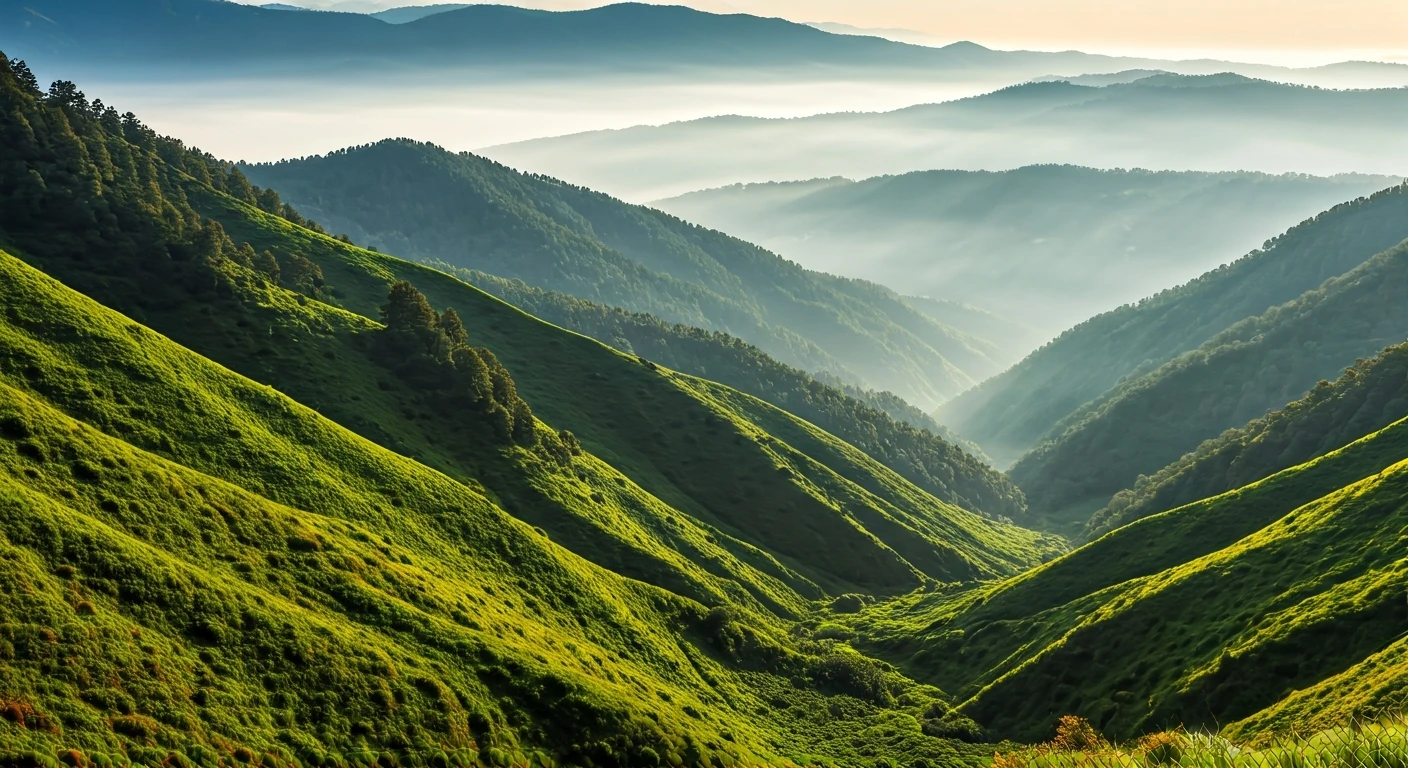
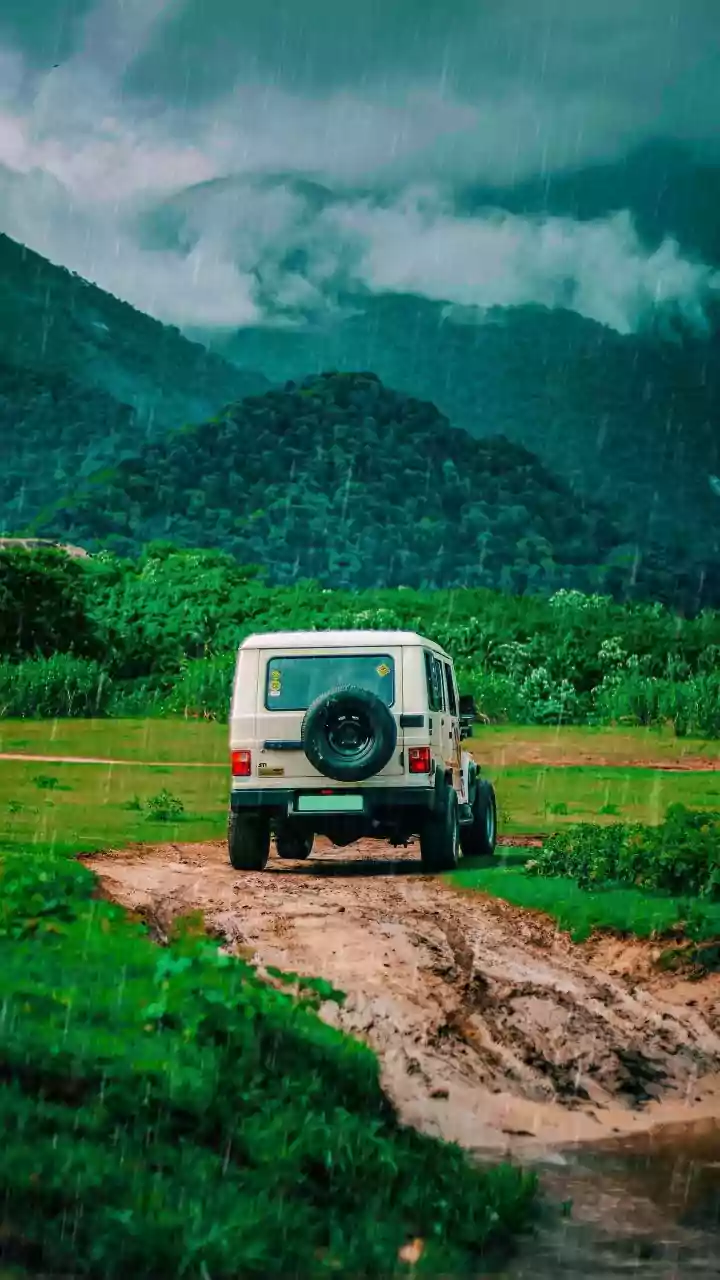
For much of the year, the landscape of western Maharashtra can be dry and sun-scorched. But from roughly June to September, the arrival of the monsoon rains performs a radical act of transformation. The dormant hills and plateaus of the Western Ghats—a
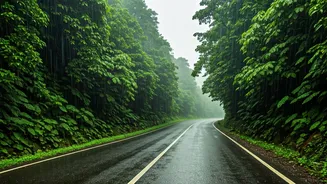
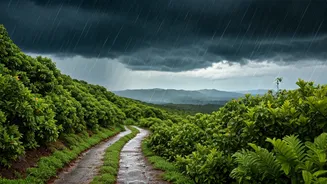
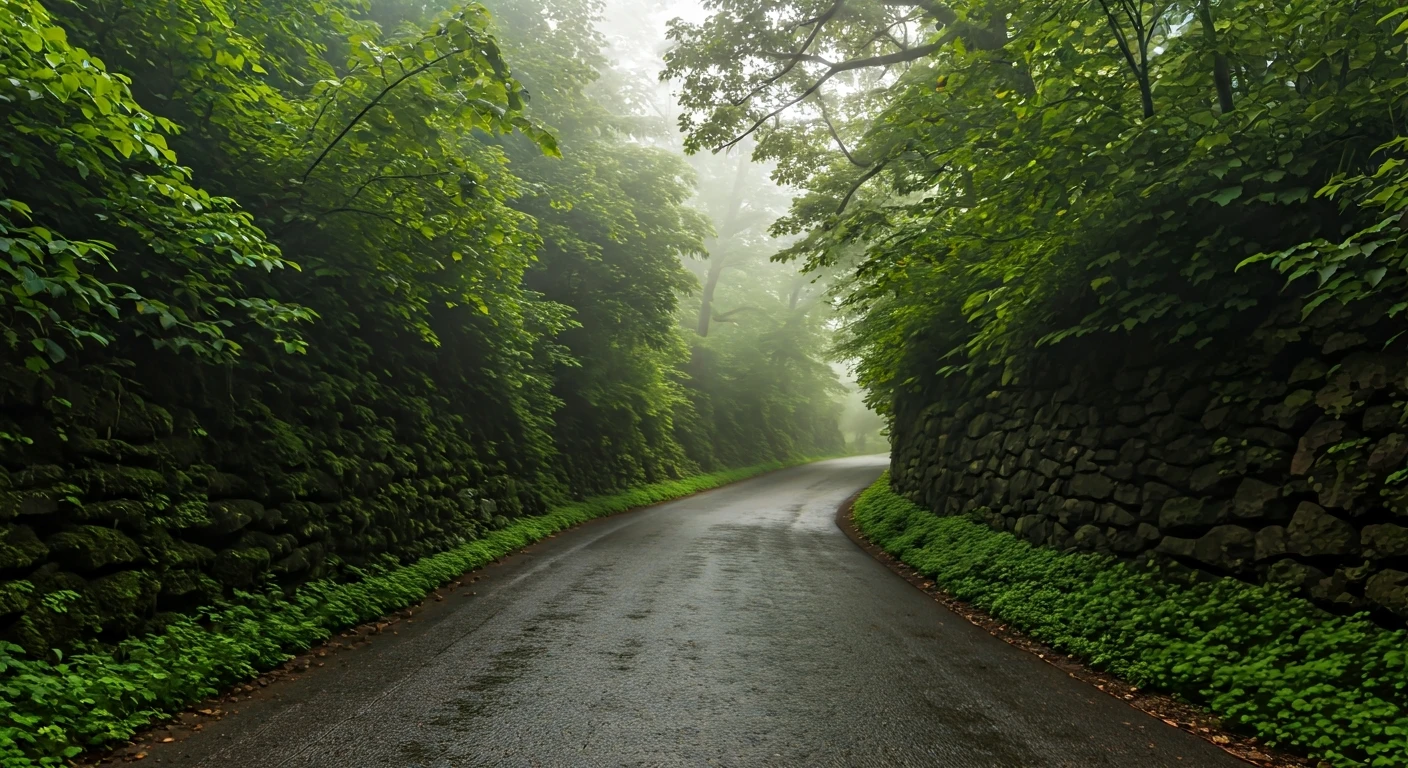
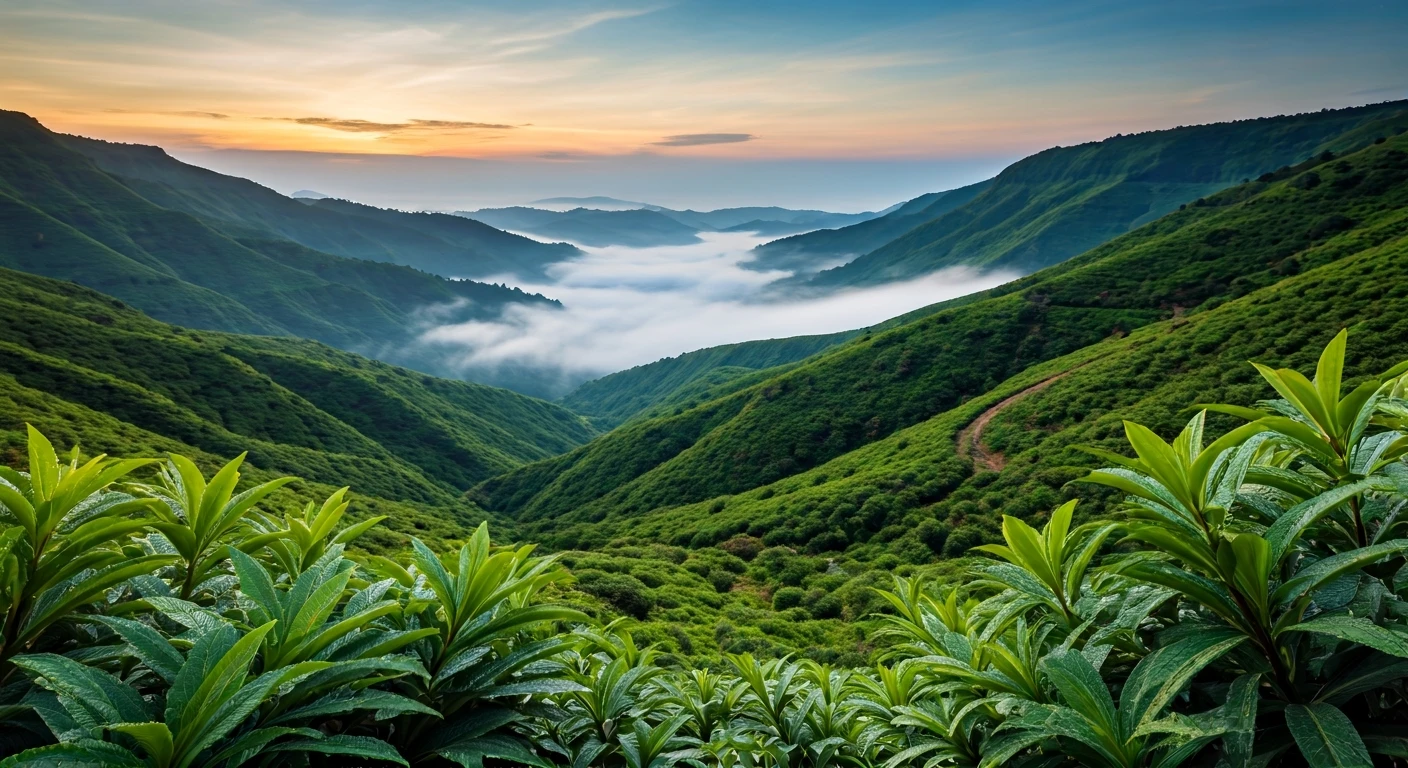
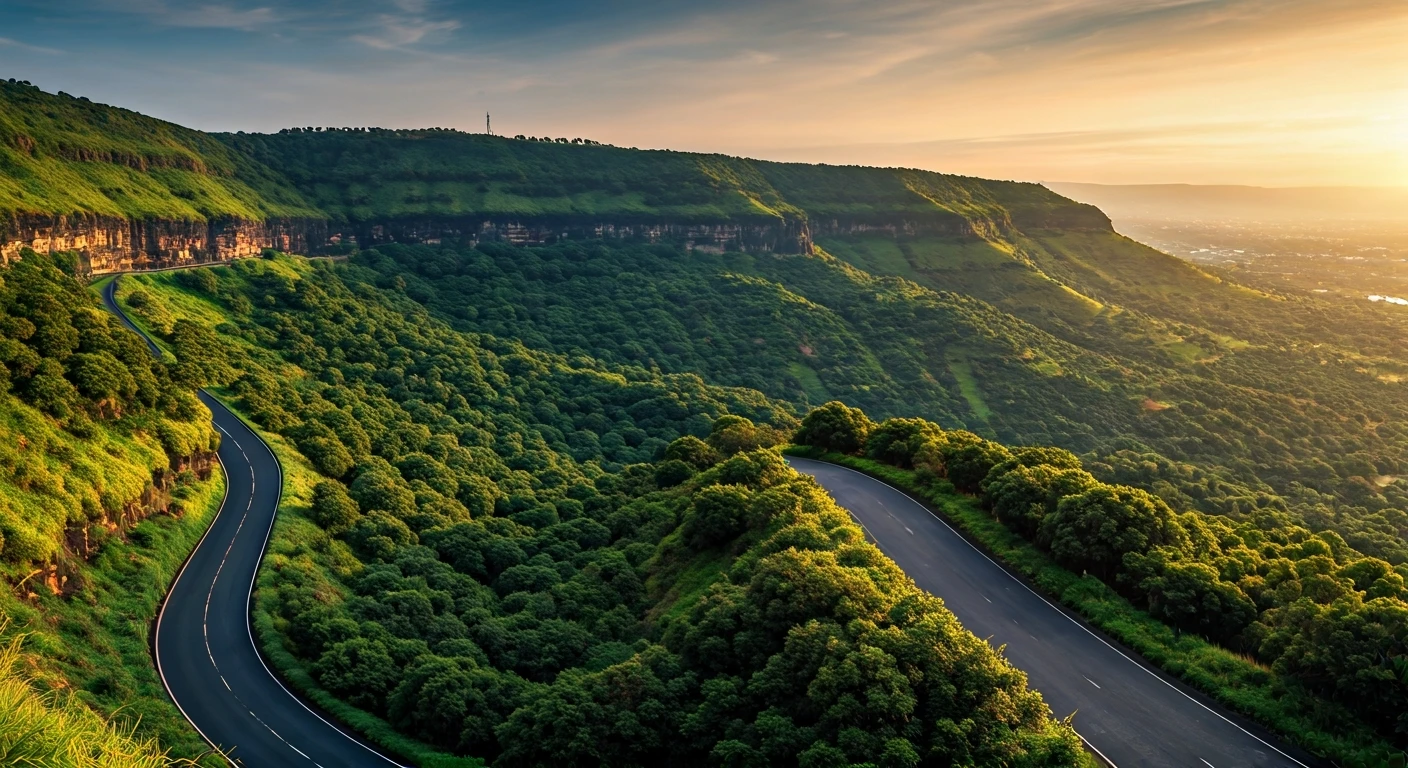
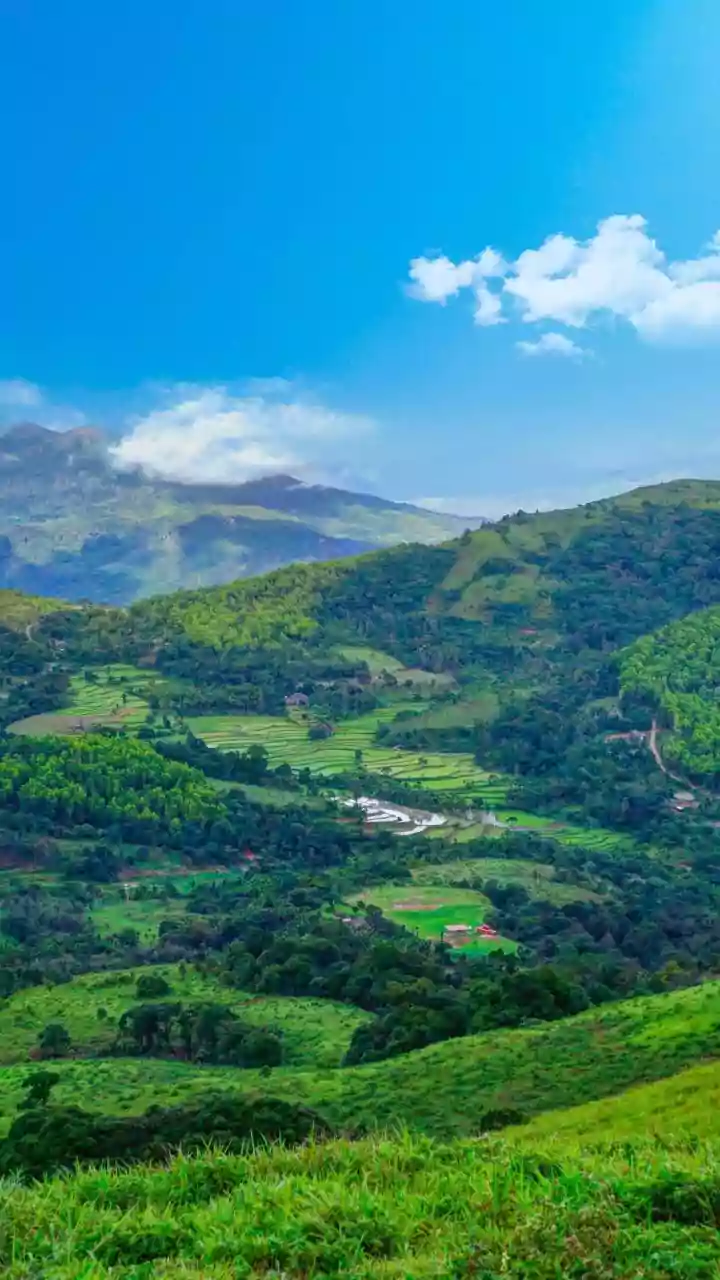
UNESCO World Heritage mountain range that runs parallel to the coast—spring to life in a riot of impossible greens. The air cools, the dust settles, and a dramatic, romantic mist clings to the hillsides. This is the “beautiful” part of the equation. Waterfalls that are mere trickles for eight months of the year become thunderous torrents. Places like the hill stations of Lonavala and Mahabaleshwar, just a few hours' drive from Mumbai, are reborn as ethereal, cloud-kissed retreats. For photographers and nature lovers, it’s a visual feast unlike any other, offering a perspective on India that few international tourists ever get to see.
The Reality of Slower Travel
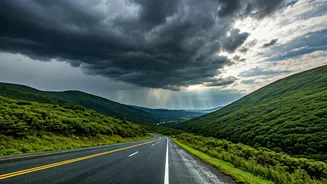
The same rains that create this sublime scenery are also responsible for the logistical headaches. This is the “slower” part of the bargain, and it’s not to be underestimated. Roads, especially in the mountainous Ghats, can become treacherous. Minor landslides are common, sometimes blocking key routes for hours or even days. Potholes multiply, turning a two-hour drive into a four-hour ordeal. In major cities like Mumbai, heavy downpours can lead to widespread waterlogging, grinding traffic to a halt and disrupting local train services, the city's lifeline. Long-distance trains can also face significant delays due to track conditions. This doesn't mean travel is impossible, but it does mean your meticulously planned itinerary will require a healthy dose of flexibility. Trying to pack too much into a short trip during the monsoon is a recipe for frustration. The key is to embrace a slower pace and build buffer days into your schedule.
Monsoon-Ready Destinations
Instead of a sprawling tour, the best way to enjoy a monsoon trip is to pick a base and explore from there. Malshej Ghat is a prime example. This mountain pass becomes a wonderland of waterfalls, with streams of water appearing to flow upwards due to the strong winds. It’s a popular spot for day-trippers from nearby cities. For a more immersive stay, the twin hill stations of Lonavala and Khandala offer numerous resorts and viewpoints, like Tiger Point, where you can watch clouds roll in below you. Further south, Mahabaleshwar, the summer capital of the colonial Bombay Presidency, provides stunning views of the surrounding valleys and the Krishna River. A quieter, more rustic option is Bhandardara, a region known for its massive Wilson Dam and the stunning, multi-tiered Randha Falls. Each offers a unique window into the monsoon's magic.
Essential Tips for the Savvy Traveler
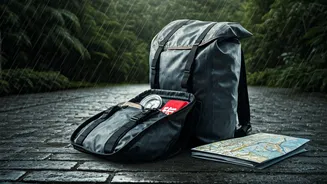
A successful monsoon journey is all about preparation. First, your packing list: forget cotton. Opt for quick-drying synthetic fabrics. A solid waterproof jacket is non-negotiable, as are sturdy, closed-toe shoes with excellent grip. Keep your electronics safe in waterproof bags or dry sacks. When it comes to transport, hiring a car with an experienced local driver is highly recommended over attempting to self-drive in unfamiliar and challenging conditions. They know the alternate routes and which areas to avoid after heavy rain. For accommodations, book places that are known to be well-maintained and accessible, and consider calling ahead to check on road conditions before you set out. Finally, be mindful of your health. Carry a basic first-aid kit and mosquito repellent, as the wet conditions can lead to an increase in mosquito-borne illnesses.