





Beyond the Basic Smart Bulb
Most of us are familiar with smart bulbs—the kind you can turn on and off with your phone or a voice assistant. A smart sensor lighting system is the next evolution. It isn't just about remote control; it’s about automation and intelligence. These systems
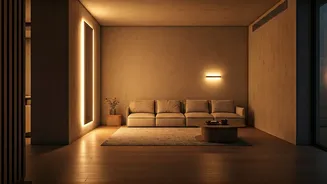
integrate various sensors directly into the lighting experience, allowing your room to react to you, the time of day, and the environment without you lifting a finger. The core idea is to move lighting from an active chore (flipping a switch, dimming a dial) to a passive, background element that seamlessly enhances your space. It's the difference between manually adjusting your thermostat and having a smart system that learns your preferences and maintains the perfect temperature automatically.
Lighting That Follows the Sun
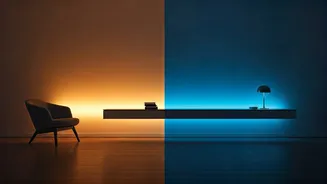
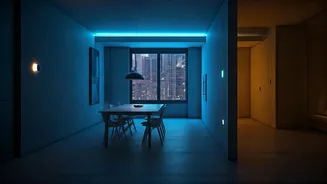
One of the most powerful features is the integration of ambient light and color temperature sensors. This technology enables what’s known as circadian rhythm lighting. Throughout the day, the system automatically adjusts the color and brightness of your lights to mimic the natural progression of sunlight. In the morning, it can gently wake you with cool, bright light that signals your body it’s time to be alert. As the evening approaches, the lights shift to a warmer, softer, amber-like glow, reducing blue light exposure and helping your brain wind down for a more restful sleep. For urban bedrooms that may lack abundant natural light, this feature can be transformative, helping to regulate your internal clock and improve overall wellness.
Movement Becomes the Switch
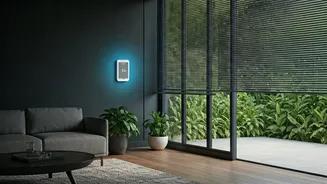
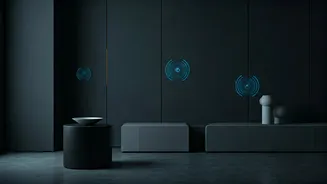
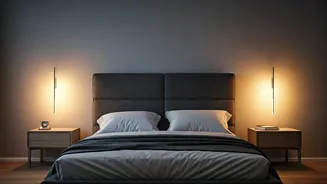
The “effortless” part of the headline comes alive with motion and presence sensors. Imagine getting up in the middle of the night for a glass of water. Instead of fumbling for a switch or being blinded by a harsh main light, the system detects your movement and activates a low-level, pre-programmed pathway light—perhaps a soft glow from under the bed or along the baseboards—just enough to see without startling you fully awake. When you get back into bed and remain still, the lights fade back to black. This isn't just a convenience; it’s a subtle luxury that makes your environment feel incredibly intuitive and responsive. It eliminates the jarring experience of navigating a dark room and turns a potential sleep disruption into a non-event.
Creating 'Zones' in a Single Room
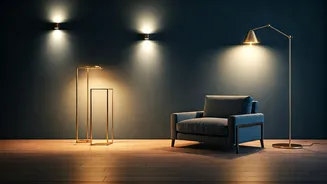
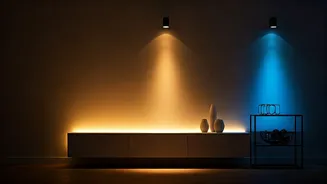
In many urban apartments, the bedroom has to pull double or triple duty. It might also be your home office, a reading nook, or a place to unwind with a movie. Smart sensor systems excel at creating distinct ambient “zones” within a single physical space. You can program scenes for different activities. A “Work” scene might trigger brighter, focused light at your desk area. A “Read” scene could activate a warm, directed spotlight over your favorite chair while dimming the rest of the room. And a “Movie” scene could dim all lights except for soft, colored accent lighting behind the screen. These transitions can be triggered with a voice command, a tap in an app, or even automatically based on which part of the room you're in, making your space feel larger and more versatile.