




First, Why Alphonso Dominates
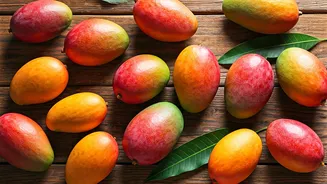
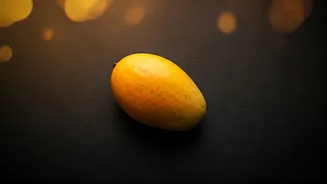
Before we dive into the alternatives, it’s worth asking why the Alphonso became the mango ambassador to the world. The answer is a mix of fantastic marketing and pure logistics. Grown primarily in the Konkan region of western India, the Alphonso has a relatively
thick skin and a firm texture that allows it to survive the long journey overseas without turning to mush. It also has a short, predictable season and a flavor profile that is undeniably magnificent. For decades, it was the only variety hardy enough for export, cementing its status in the minds of international foodies. But while it earned its crown, it has overshadowed a royal court of equally deserving contenders.
The Saffron-Scented Kesar
Travel to the state of Gujarat, and you’ll hear locals swear by the Kesar. The name itself, meaning 'saffron,' tells you everything you need to know about its character. Smaller than the Alphonso, this mango has a distinctive golden-orange pulp that carries an intoxicating aroma with hints of saffron and honey. While it's delightful eaten fresh, the Kesar is the undisputed champion for making 'aamras,' a sweet mango pulp that’s a staple dessert in western India. Its intense color and fragrance make it a visual and olfactory feast before you even take a bite. It’s less creamy than an Alphonso, with a brighter, more perfumed sweetness.
The Tangy Langra from Varanasi
Hailing from the spiritual city of Varanasi in northern India, the Langra is a cult favorite known for its unique flavor profile. Its skin remains greenish even when fully ripe, which can confuse the uninitiated. But inside lies a fibrous, lemon-yellow flesh that strikes a perfect balance between sweetness and a sharp, citrusy tang. The name 'Langra' means 'lame' in Hindi, with local lore attributing its origins to a tree in the orchard of a lame man. It’s a mango with a story and a distinctive personality, beloved by those who prefer a little acidity to cut through the sugary richness found in other varieties.
The Honey-Dripping Chaunsa
Appearing late in the mango season, typically from July to August, the Chaunsa is the grand finale. It’s considered by many in North India and Pakistan to be the absolute pinnacle of mango flavor. Exceptionally sweet with a wonderful fragrance, the Chaunsa has a soft, melting pulp with very little fiber. It’s the kind of mango you eat over the sink, juice dripping down your arms, with no regrets. Its name is said to derive from a 16th-century victory by emperor Sher Shah Suri in Chausa, Bihar. For those with a serious sweet tooth, finding a ripe Chaunsa is like striking gold at the very end of summer.
The Aristocratic Dasheri
The Dasheri is a mango with a pedigree. Originating in the 18th century from a single mother tree in a village near Lucknow, a city known for its regal history, this variety is long, slender, and elegant. It has a fiberless, peachy pulp and a very sweet, aromatic flavor that’s more delicate than the bold Alphonso. It’s a refined, almost floral eating experience. Because of its thinner skin, it doesn’t travel as well, making it more of a local treasure. In North India, the arrival of Dasheri mangoes marks the true beginning of summer festivities.
The Southern Giant: Banganapalli
Head south to the state of Andhra Pradesh, and you’ll find the Banganapalli (also called Benishan). This is one of the most widely cultivated mangoes in India. It's noticeably larger than most other varieties, with a smooth, pale yellow skin and a firm, fiber-free flesh. Its flavor is milder and leans more towards tangy than overwhelmingly sweet, making it incredibly versatile. While delicious on its own, its subtle taste makes it a perfect candidate for smoothies, salsas, and even savory salads where you want a hint of mango without it overpowering every other ingredient.