
Beyond the Buffet Mentality
Let’s be honest: when many Americans think of Indian food, they picture a specific menu. Creamy chicken tikka masala, buttery naan bread, and fried samosas. This perception was largely shaped by the first wave of Indian restaurants in the U.S., which
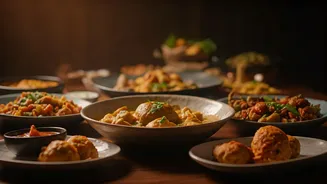
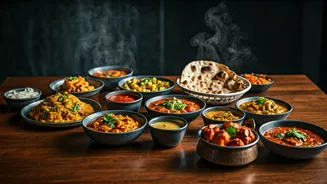
primarily served a homogenized, British-influenced version of North Indian and Mughlai cuisine. It was rich, decadent, and engineered to please a Western palate unfamiliar with the subcontinent’s vast culinary diversity. This “special occasion” food, while undeniably delicious, inadvertently created a reputation for being heavy and unhealthy—a caloric splurge reserved for a weekend dinner out. It became the food of celebration, not the food of everyday wellness. That narrative, however, only ever told a tiny fraction of the story. It overlooked the lighter, vegetable-forward, and regionally specific dishes that millions of people in India eat every single day.
The Wellness Pantry Hiding in Plain Sight
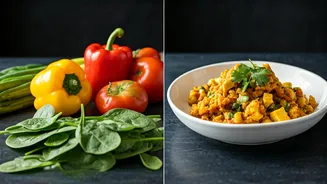
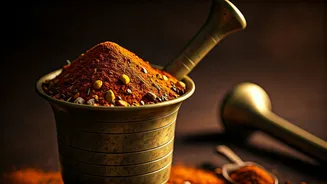
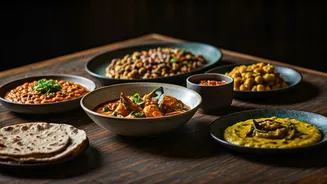
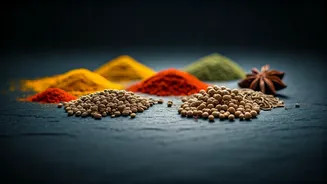
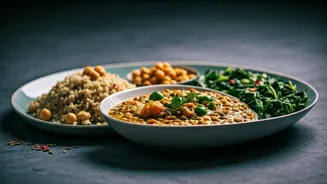
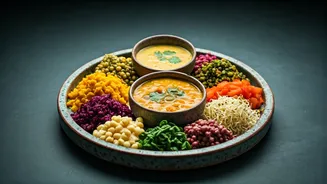
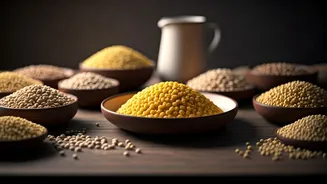
The irony is that traditional Indian home cooking has always been a blueprint for healthy eating. The core ingredients read like a modern wellness blogger’s shopping list. Turmeric, the golden spice famed for its anti-inflammatory properties, is fundamental. Legumes like lentils (dal) and chickpeas (chana) form the backbone of countless dishes, offering plant-based protein and fiber that keep you full and support gut health. Ginger, garlic, cumin, and coriander aren't just for flavor; they are celebrated in Ayurveda for their digestive and medicinal benefits. What feels “smarter” today is our recognition of this inherent wisdom. We are finally catching up to what Indian grandmothers have known for centuries. A simple bowl of dal with rice is not just comfort food; it's a complete protein, easy to digest, and deeply nourishing. This isn't about Indian food changing to fit our trends; it's about our trends finally evolving to recognize the genius that was there all along.
From Special Occasion to Daily Staple
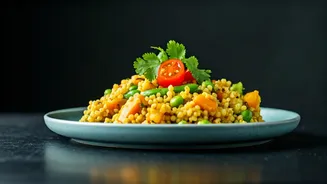
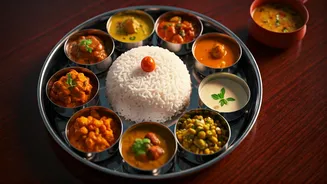
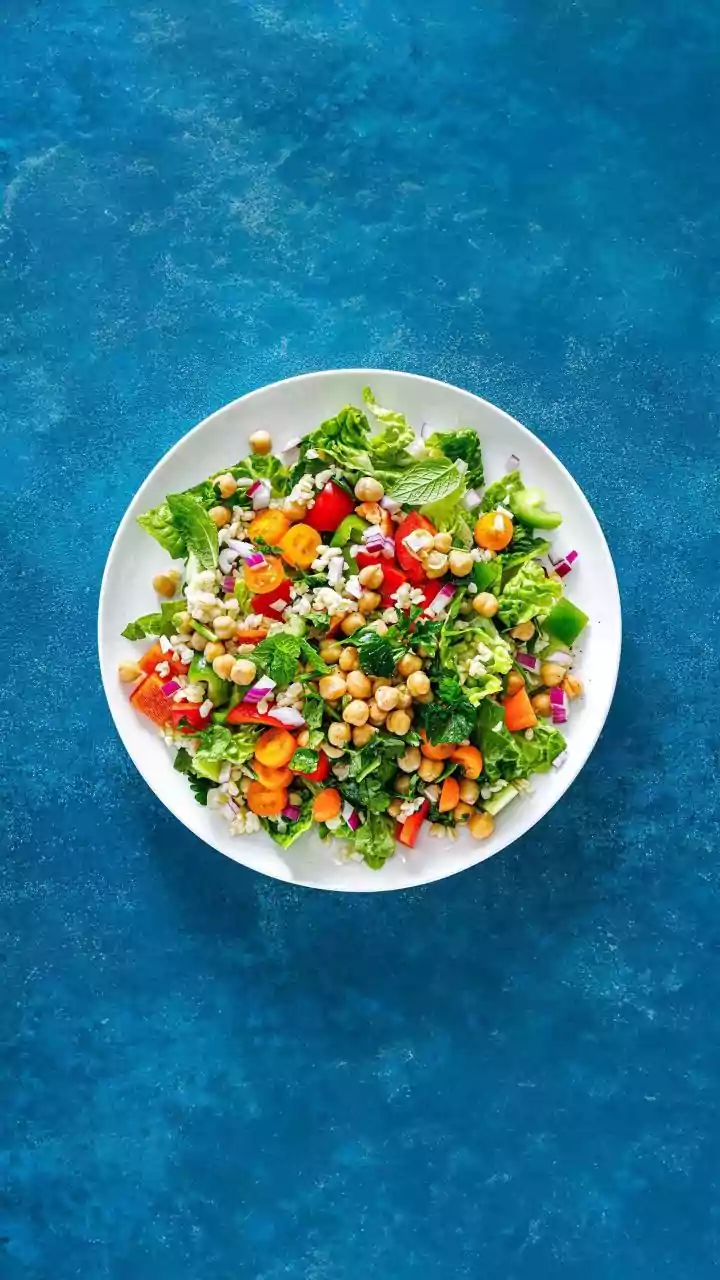
This shift in understanding is changing how Americans interact with the cuisine. Indian food is moving out of the Friday-night-takeout box and into the weekly meal-prep container. Home cooks are discovering the simplicity of a one-pot khichdi (a rice and lentil porridge) or the versatility of a vegetable sabzi (a dry-ish vegetable stir-fry with spices). Cookbooks and food blogs are increasingly focusing on regional, home-style recipes that are lighter, quicker, and more adaptable for a busy, health-conscious lifestyle. Restaurants are following suit. The rise of fast-casual Indian eateries offering customizable bowls—letting you choose a grain, a protein, and a variety of vegetable sides—is a direct response to this new demand. It reframes Indian food as a balanced, everyday lunch option, putting it in the same category as a grain bowl or a substantial salad, but with infinitely more complex and satisfying flavors.
A Regional Renaissance
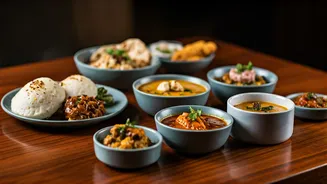
Perhaps the most exciting part of this evolution is the celebration of regional diversity. A new generation of chefs is proudly showcasing the distinct foods of their heritage, moving far beyond the Punjabi-centric menus of the past. You can now find restaurants specializing in the crispy, fermented-lentil crepes (dosa) of South India, the mustard-oil-infused fish curries of Bengal, or the coconut-based stews of Kerala. These regional dishes often highlight different cooking methods and flavor profiles that feel fresh and modern to the American palate. They are frequently less reliant on heavy creams and butter, instead drawing flavor from tangy tamarind, fresh coconut, and complex spice blends. By exploring the true breadth of Indian cooking, we’re not just finding more options; we’re finding food that is naturally lighter, more varied, and perfectly suited to a diet that prioritizes both pleasure and well-being.