

Embrace Multi-Functional Furniture
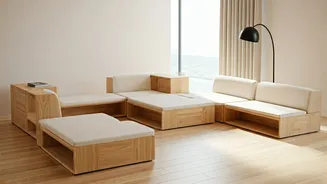
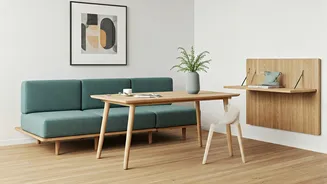
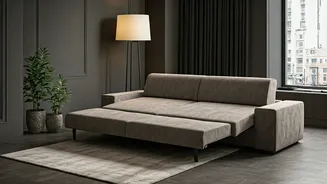
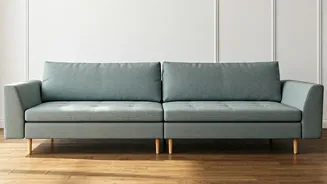
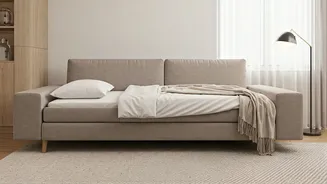
The golden rule of small-space living is that every piece should earn its keep. Multi-functional furniture is the workhorse of a practical home. Think beyond the classic sofa bed. Consider an ottoman that opens up to reveal storage for blankets and magazines,
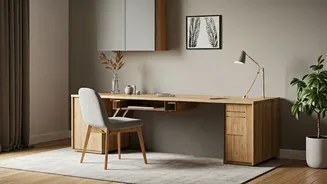
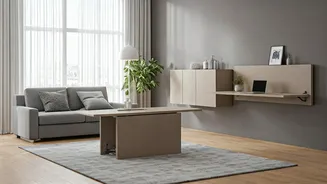
a coffee table that lifts to become a dining or work surface, or a bed frame with built-in drawers. These pieces reduce clutter by eliminating the need for separate, single-purpose items. Instead of having a guest bed, a storage chest, and a bench, you might have one storage bench that serves all three functions when needed. This approach doesn't just save space; it simplifies your environment and makes every square foot more adaptable to your daily needs.
Think Vertically
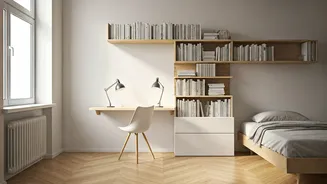
When you can't build out, build up. Most people underutilize the vertical space in their homes. Walls aren't just for art; they are prime real estate for storage and display. Installing tall, narrow bookshelves draws the eye upward, creating an illusion of height and offering a home for books, décor, and storage bins. In the kitchen, use wall-mounted magnetic knife strips and pot racks to free up precious counter and drawer space. In a closet, adding a second rod doubles your hanging capacity. In a small bathroom, an over-the-toilet shelving unit (an 'etagere') provides a home for towels and toiletries without taking up any floor space. Using your walls effectively is one of the most impactful, and often cheapest, ways to reclaim your home.
Master Hidden Storage
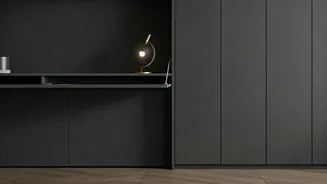
What you don't see is as important as what you do. A serene, spacious-feeling room is often one where the mess of daily life is cleverly concealed. Hidden storage is about creating calm by giving everything a designated, out-of-sight home. This can be as simple as using decorative baskets on open shelves to corral smaller items or investing in furniture designed for concealment. A platform bed with hydraulic lifts that reveal a massive storage cavity underneath is a game-changer for a small bedroom, perfect for stowing away seasonal clothing or extra linens. In the living room, a media console with solid doors hides the tangle of wires, remotes, and gaming consoles. The goal is to curate what's visible and tuck the rest away, creating a clean, uncluttered visual plane.
Create Zones with Purpose
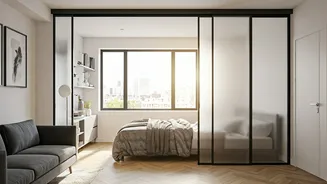
In an open-plan apartment or a single large room, it's easy for functions to blur together, making the space feel chaotic and small. The solution is to create distinct 'zones' for different activities without building walls. A well-placed area rug can instantly define a living room seating area. A tall, open-backed bookshelf can act as a room divider between a sleeping space and a living space, providing storage and separation without blocking light. You can also use furniture placement to your advantage. By floating a sofa in the middle of a room instead of pushing it against the wall, you can create a walkway behind it and visually separate the lounge area from a dining nook. This psychological division makes a single room feel like a multi-room home.
Choose Visually Lightweight Pieces
Not all furniture of the same size occupies the same 'visual space.' Bulky, dark, and heavy pieces can make a room feel crowded and suffocating. To create a sense of airiness, opt for furniture that is visually lightweight. This includes pieces with slender legs that lift them off the floor, allowing you to see the flooring underneath and creating an illusion of more space. Materials like glass, acrylic (lucite), and metal with open frames also work wonders. A glass coffee table, for example, provides a functional surface without visually interrupting the room. Similarly, a dining table with hairpin legs feels much lighter than one with a solid pedestal base. This principle extends to color, too—lighter hues on walls and large furniture pieces reflect more light and make a room feel more expansive.