




The Pre-Monsoon Advantage
To understand why June is the magic month for tiger spotting, you have to think like a tiger: when it’s hot, you get thirsty. June in central and northern India marks the peak of the dry season, right before the monsoon rains arrive to rejuvenate the landscape.
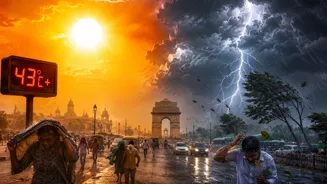
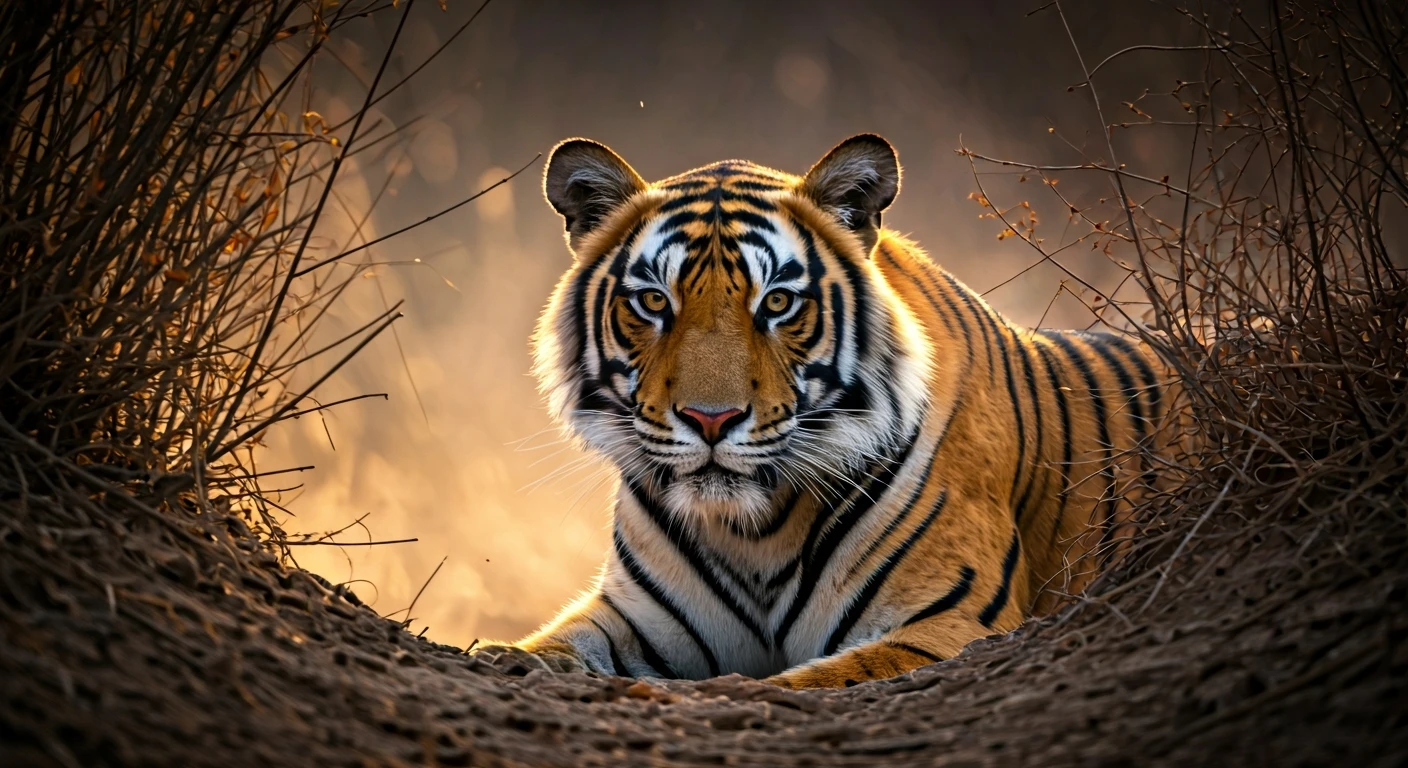
Temperatures can soar, often climbing past 100°F. While that might sound intense, this heat is your greatest ally. Throughout the long, dry months, smaller streams and water sources evaporate, leaving only a few precious, larger waterholes scattered across the national parks. This scarcity forces all wildlife, from deer and monkeys to the magnificent Bengal tiger, to congregate around these life-sustaining spots. The dense foliage that can obscure a tiger in other seasons has thinned and withered, leaving the big cats more exposed. For a safari-goer, this combination is gold. Your chances of a sighting don't just increase; they skyrocket. It’s a game of patience, but the odds are stacked in your favor.
Embracing the Heat
Let’s be clear: a June safari is a hot safari. The experience is raw, dusty, and deeply authentic. Game drives typically happen in the early morning and late afternoon, avoiding the most punishing midday sun. You'll be in an open-air vehicle, often a Maruti Suzuki Gypsy—the tough, no-frills 4x4 that’s the workhorse of the Indian jungle. The wind in your face as you rumble down dirt tracks provides some relief, but you should come prepared for the heat. But this climate is part of the adventure's fabric. It’s the haze shimmering over the plains, the langur monkeys panting in the shade of a banyan tree, the palpable tension in the air as the jungle waits for the rain. This isn't a sanitized theme park ride; it’s an immersion in a powerful, natural drama where the heat itself is a major character. Embrace it, hydrate constantly, and you’ll find it adds to the unforgettable story of your trip.
Where to Go: The Prime Parks
While India has numerous tiger reserves, a few stand out for their accessibility and high sighting probabilities in June. **Ranthambore National Park, Rajasthan:** Famous for its crumbling ancient fort and picturesque lakes, Ranthambore offers one of the most iconic backdrops for tiger photography. Its tigers are famously bold and accustomed to vehicles, making for incredible viewing. **Bandhavgarh National Park, Madhya Pradesh:** Boasting one of the highest densities of Bengal tigers in the world, Bandhavgarh is a top contender for guaranteed sightings. Its core zone is a mix of grasslands and Sal forest, and the sheer number of tigers increases your odds dramatically. **Kanha National Park, Madhya Pradesh:** The inspiration for Rudyard Kipling’s *The Jungle Book*, Kanha is a vast expanse of lush forest and meadows. It offers a more holistic wildlife experience, but its healthy tiger population and well-managed tourism make it a fantastic choice for a June expedition.
Know Before You Go
A pre-monsoon safari requires a little planning. Pack light-colored, breathable clothing made of cotton or linen—think loose long-sleeved shirts and pants to protect from the sun and insects. A wide-brimmed hat, high-SPF sunscreen, and quality sunglasses are non-negotiable. Bring a reusable water bottle to stay hydrated; most reputable lodges and guides will provide filtered water. Most importantly, book everything in advance. June is a well-known secret among serious wildlife enthusiasts. Safari permits for the best park zones, spots in top-rated lodges, and the most experienced naturalist guides get snapped up months ahead. The window is short—most parks close for the monsoon season around the end of June or early July—so procrastination is not your friend.