



Where History Haunts the Wild
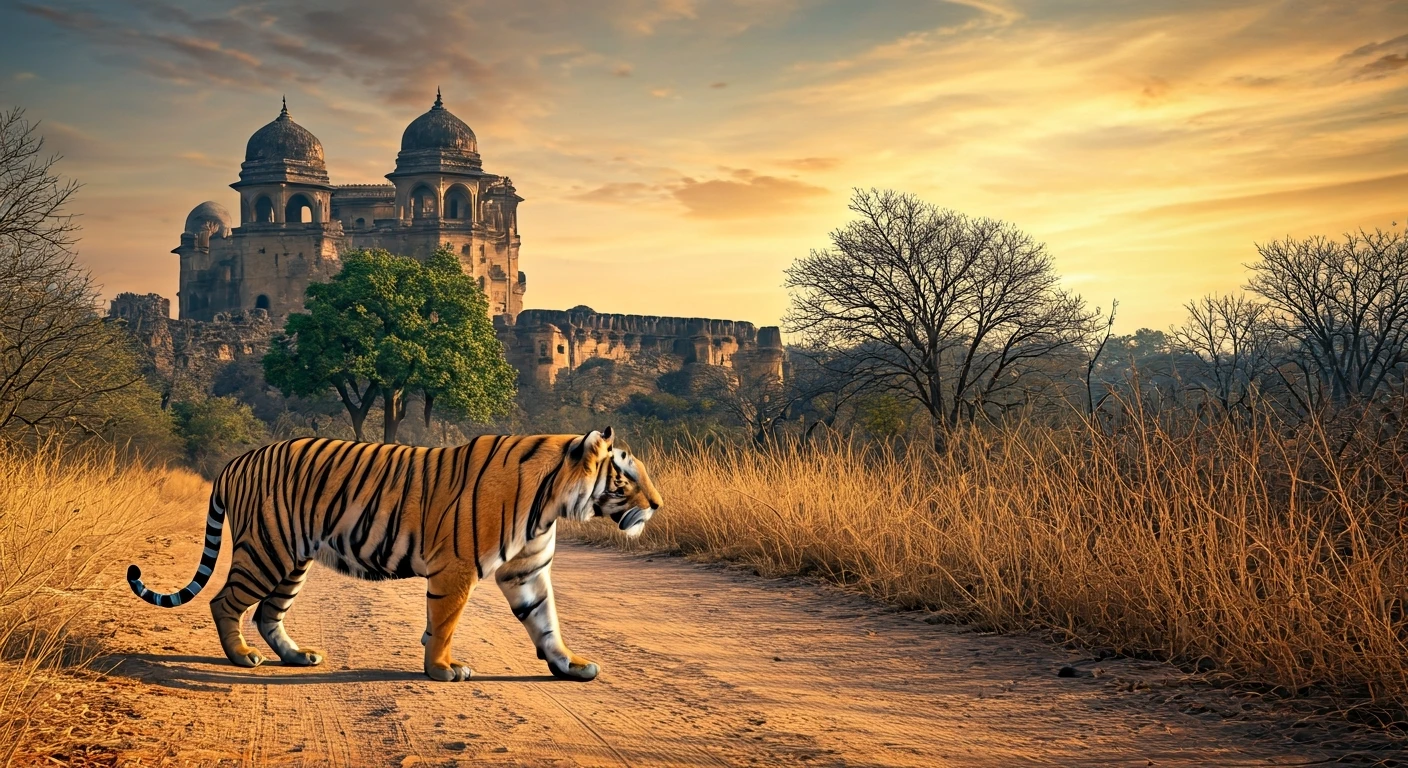
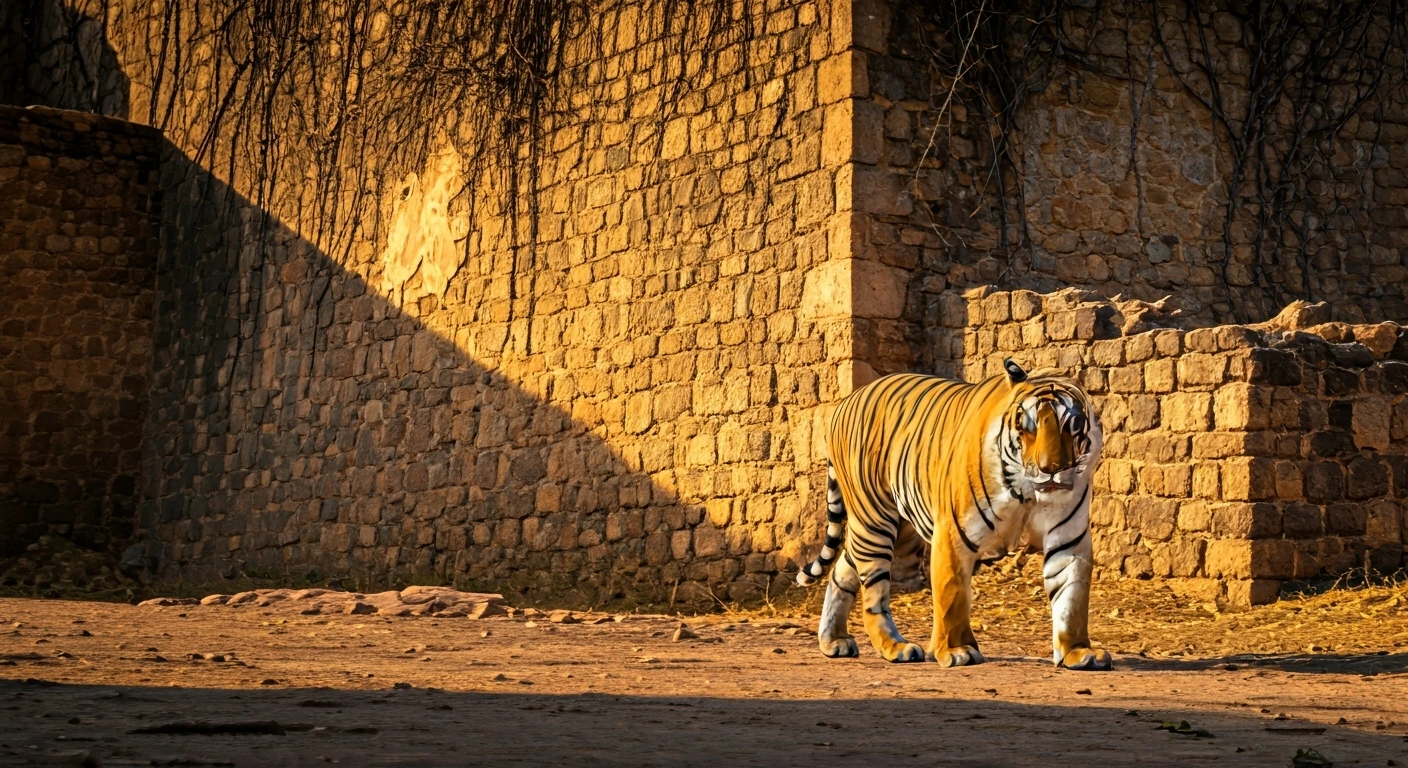
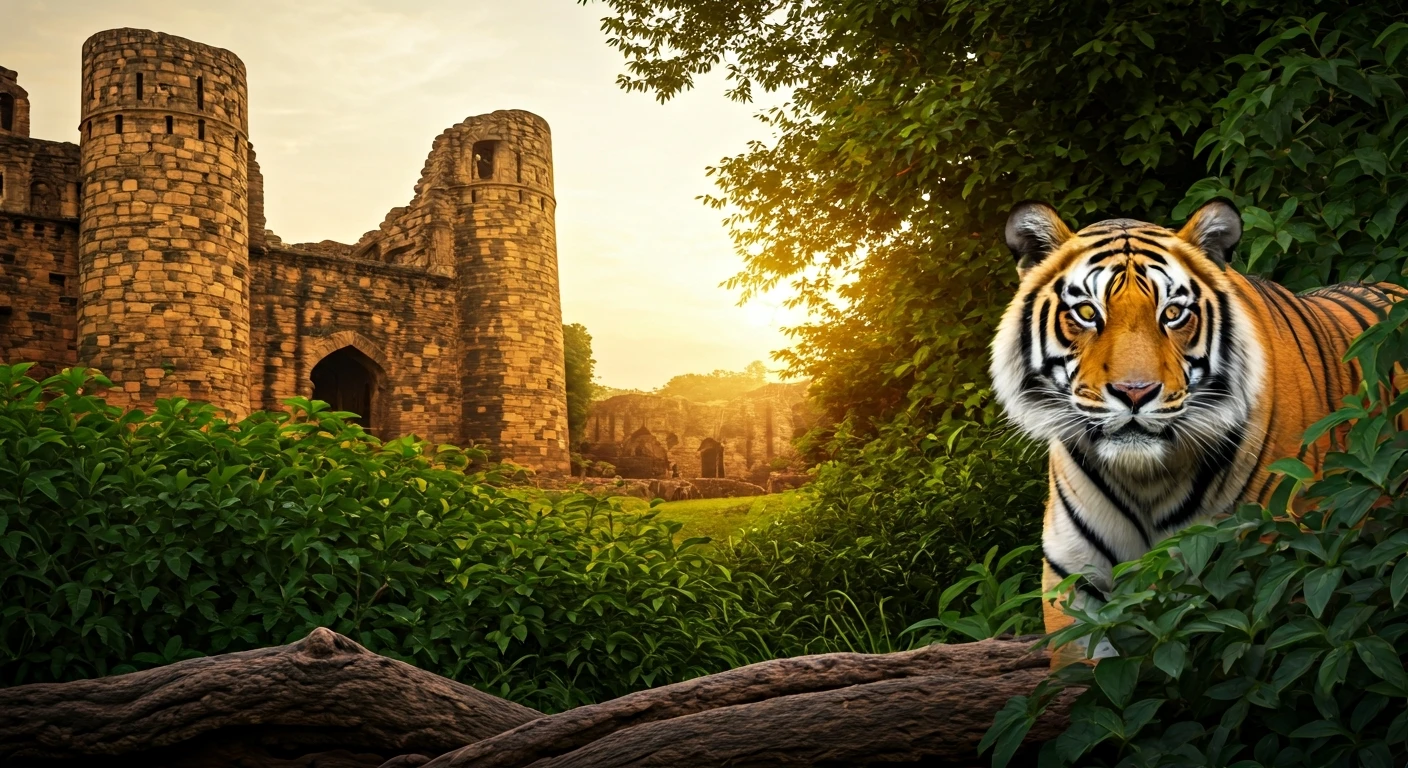
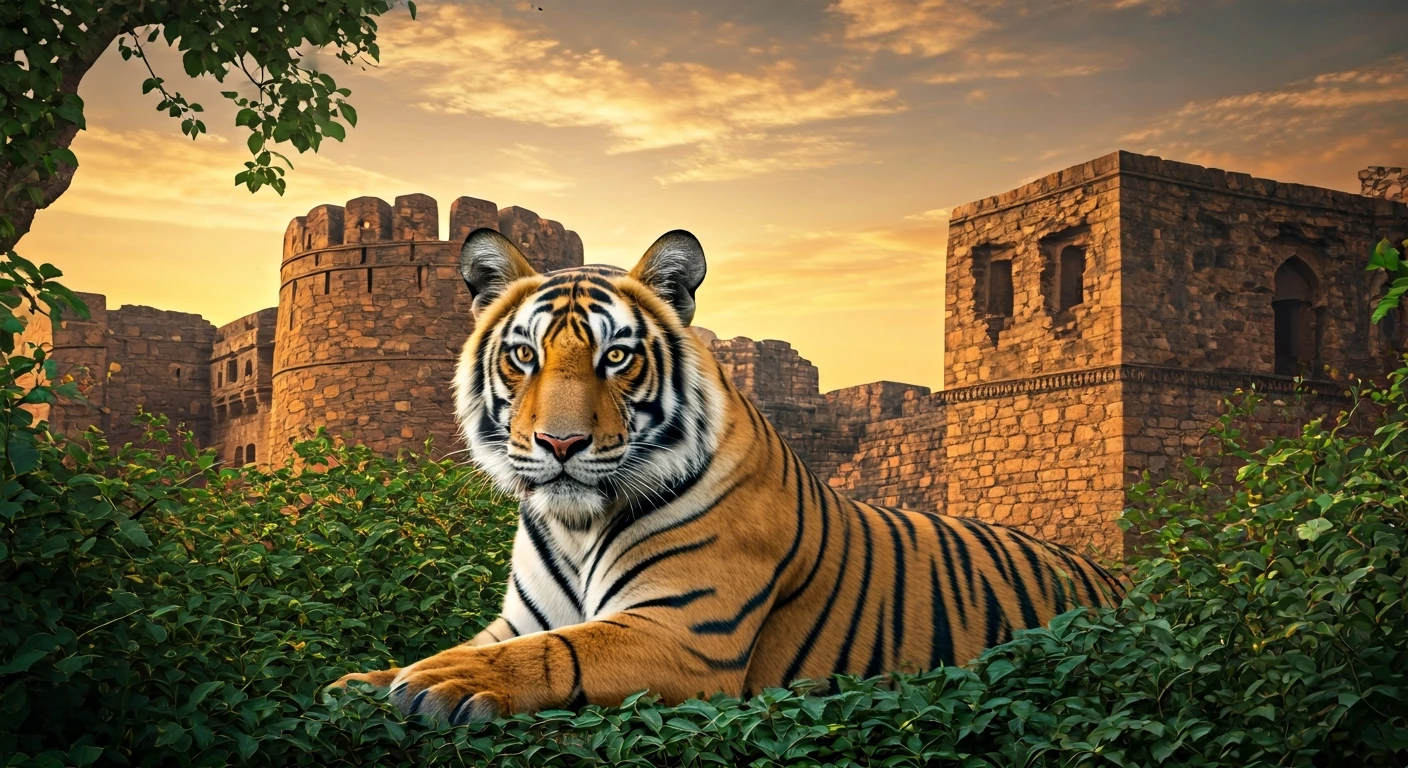
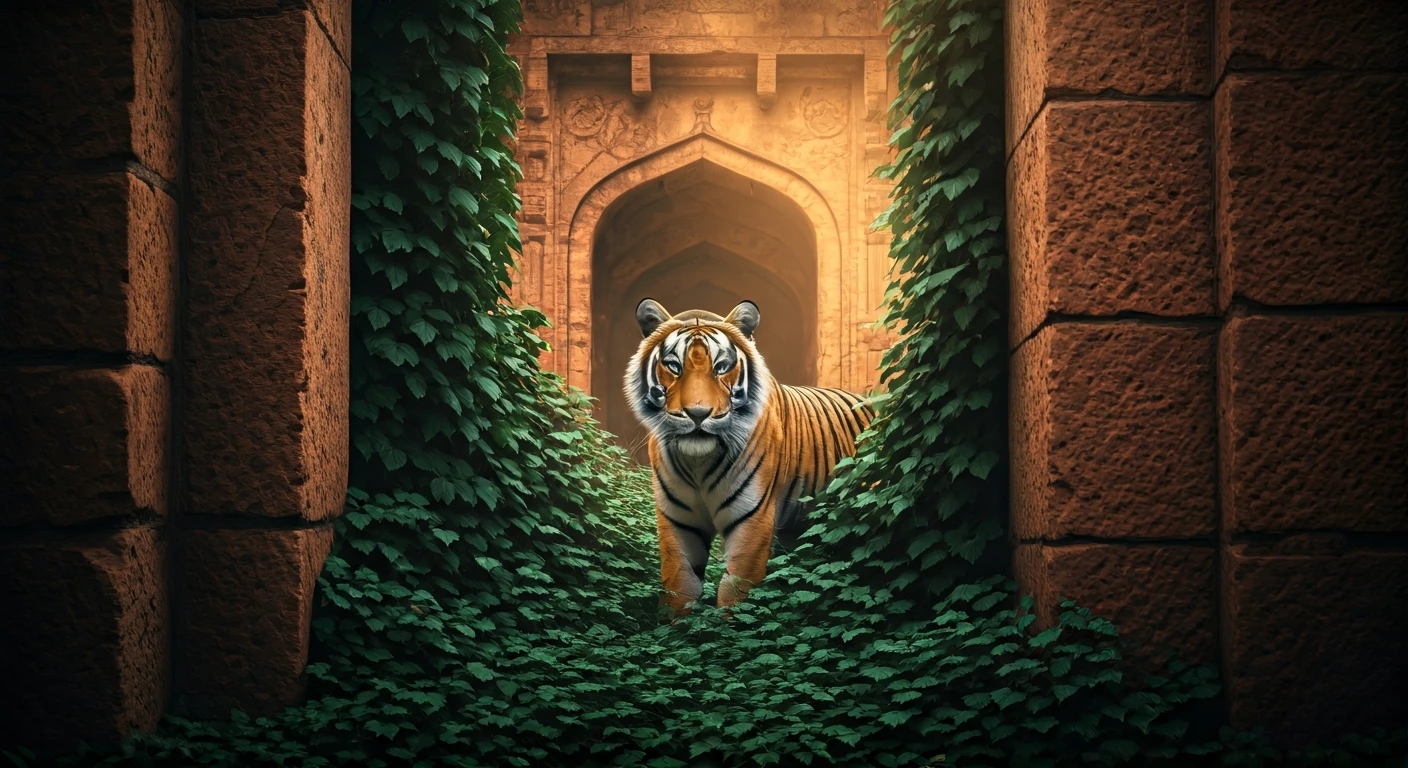
Ranthambore is not just a national park; it's a kingdom reclaimed by nature. Sprawling across the rugged terrain of southeastern Rajasthan, its landscape is dominated by the monumental Ranthambore Fort, a UNESCO World Heritage Site. This 10th-century
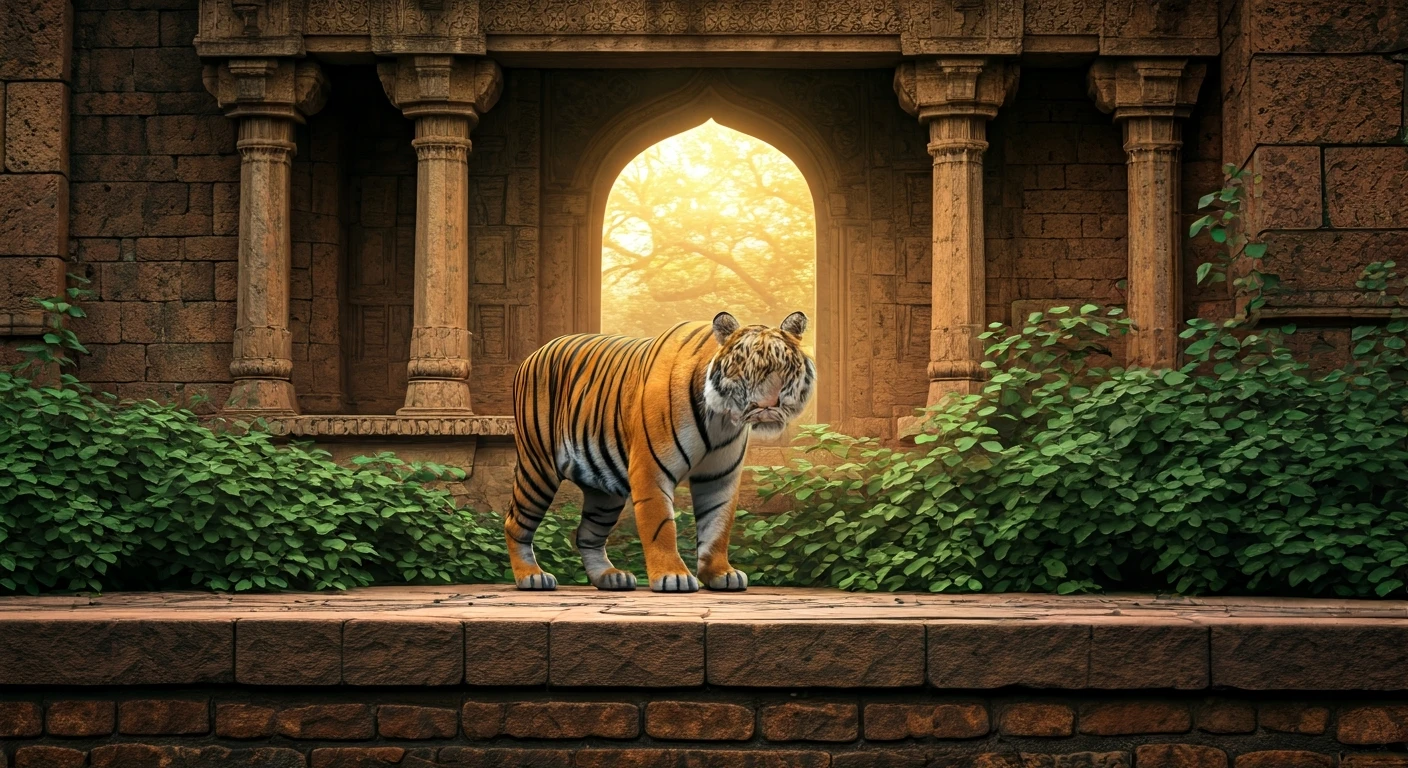
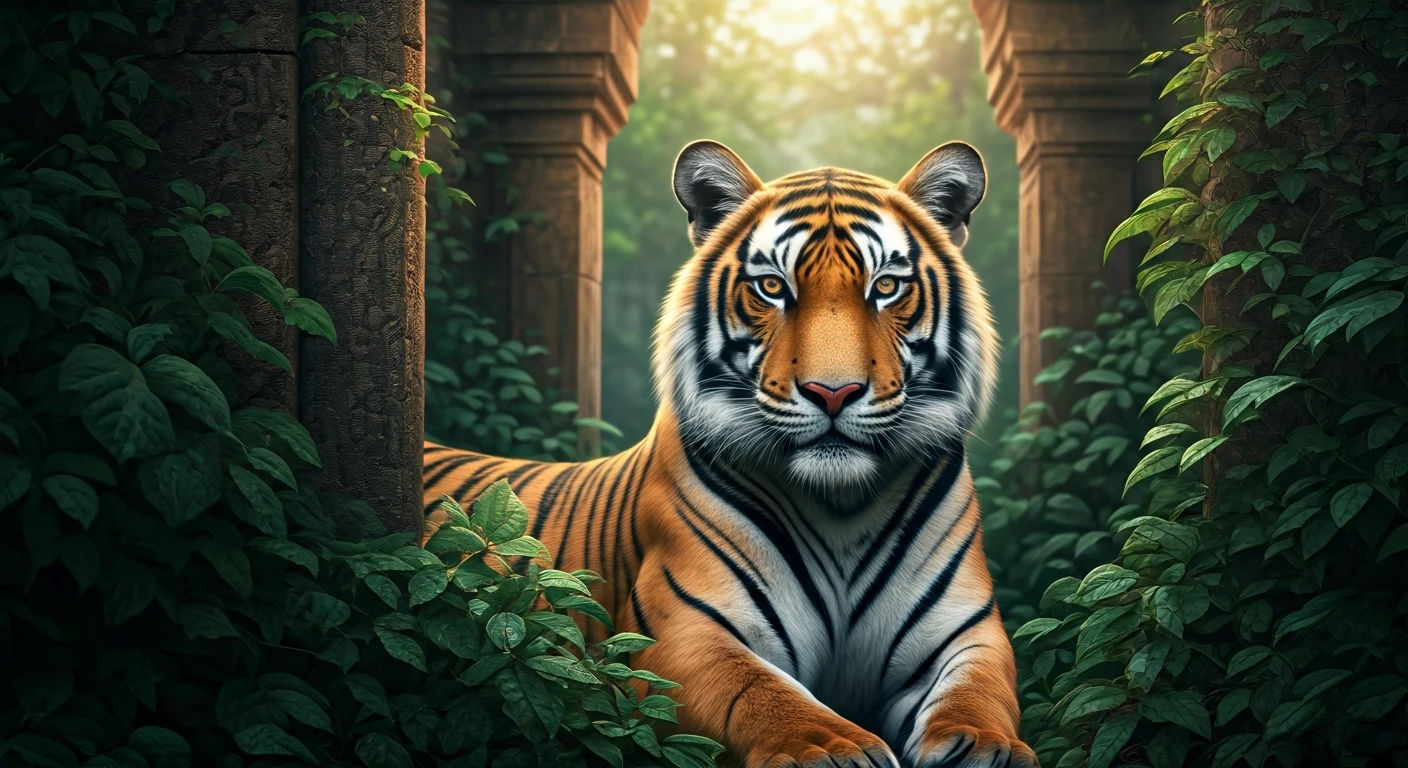
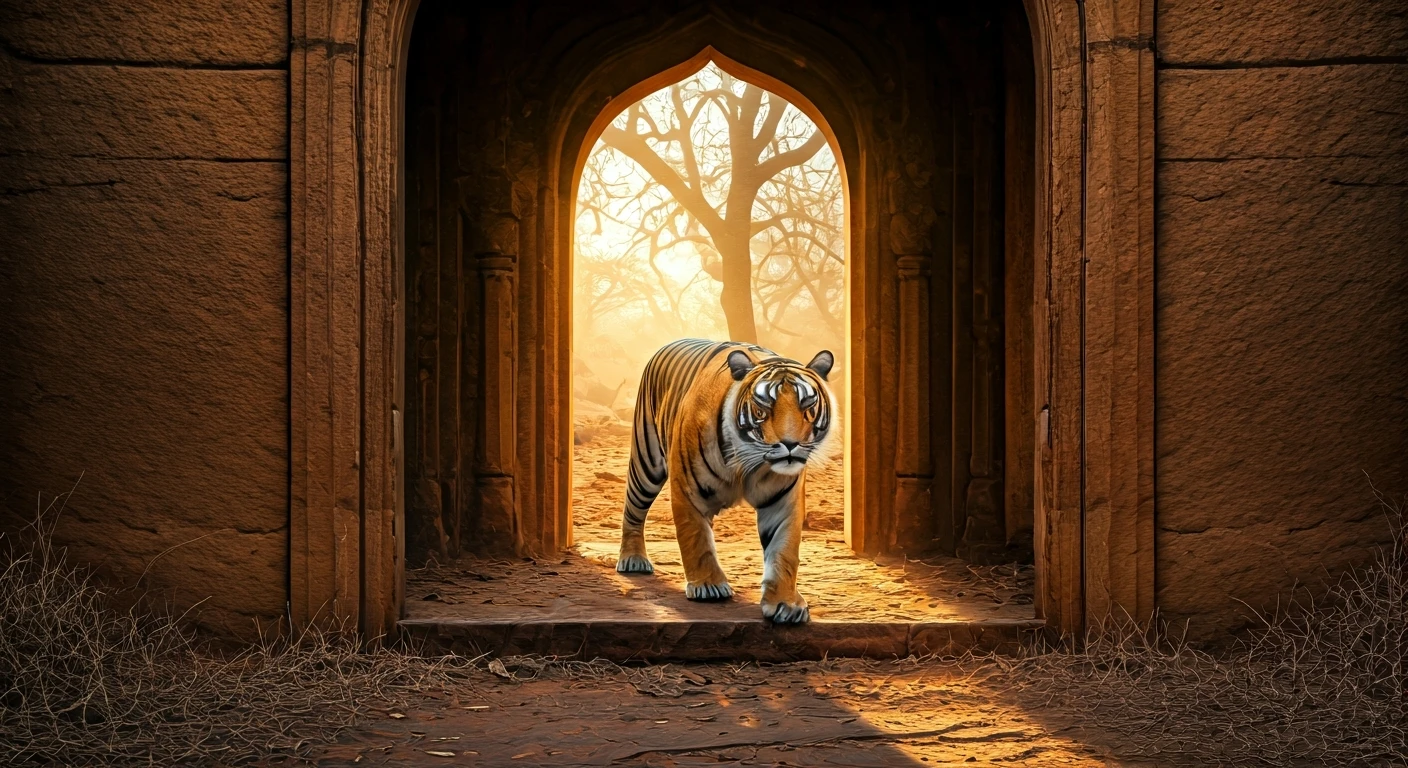
fortress, with its crumbling ramparts, ancient temples, and serene pavilions, looms over the entire park. For centuries, it was a strategic stronghold for Rajput rulers, its surrounding forests their private hunting grounds. Today, the roles are reversed. The descendants of the tigers that kings once hunted now reign supreme, their wild calls echoing through the same valleys where armies once clashed. Driving through the park’s dusty tracks, you’ll pass beneath weathered stone gates and spot chital deer grazing peacefully beside forgotten cenotaphs. This blend of formidable history and untamed wilderness is what sets Ranthambore apart—it’s a place where every vista feels like a scene from a forgotten epic.
The Thrill of the Tiger
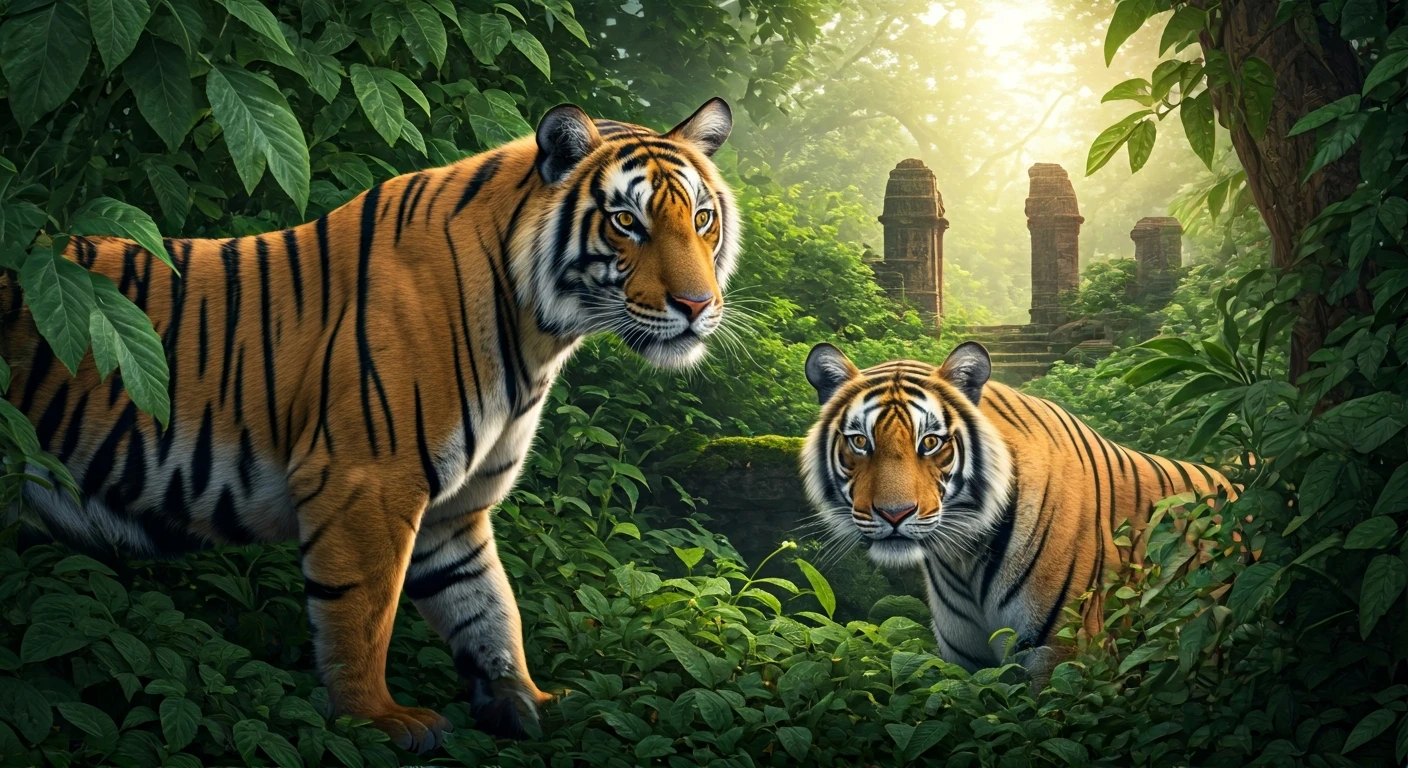
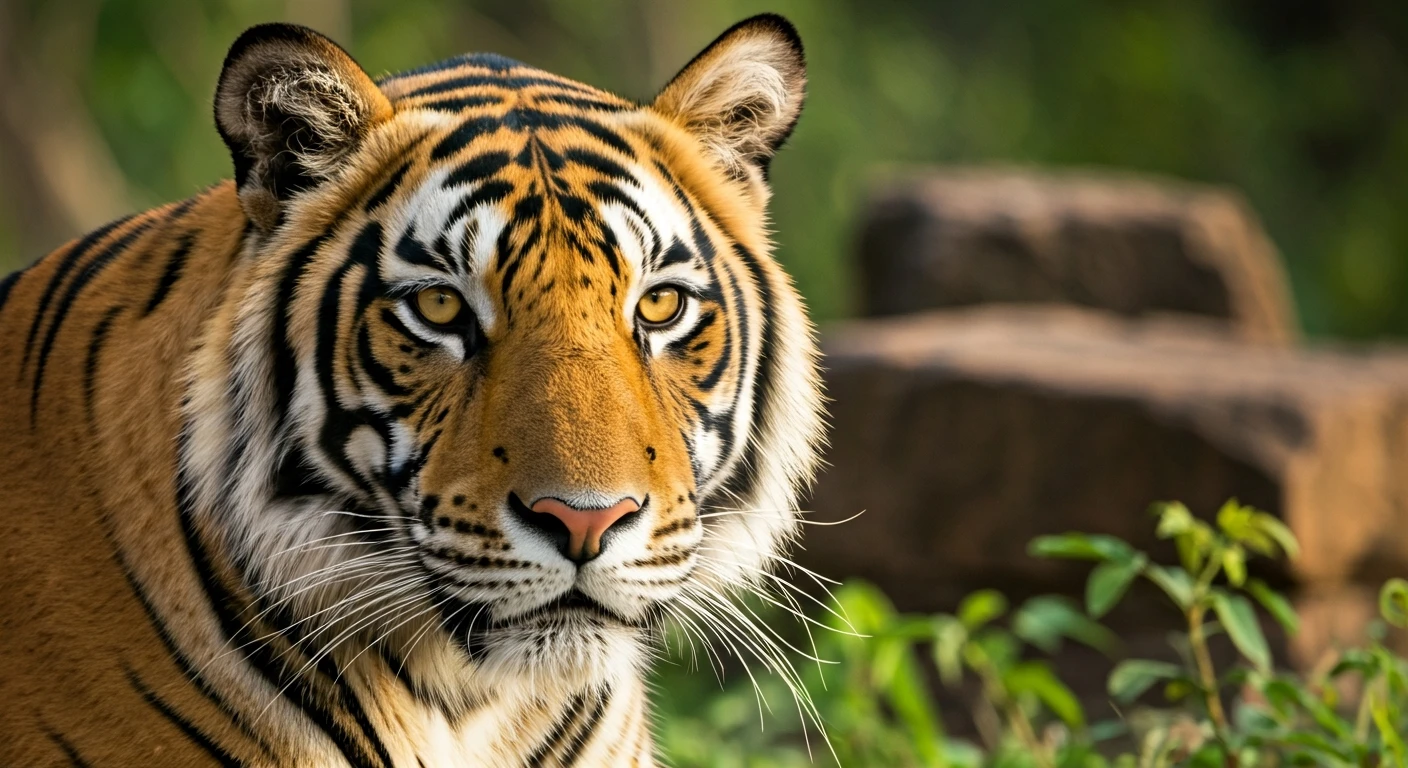
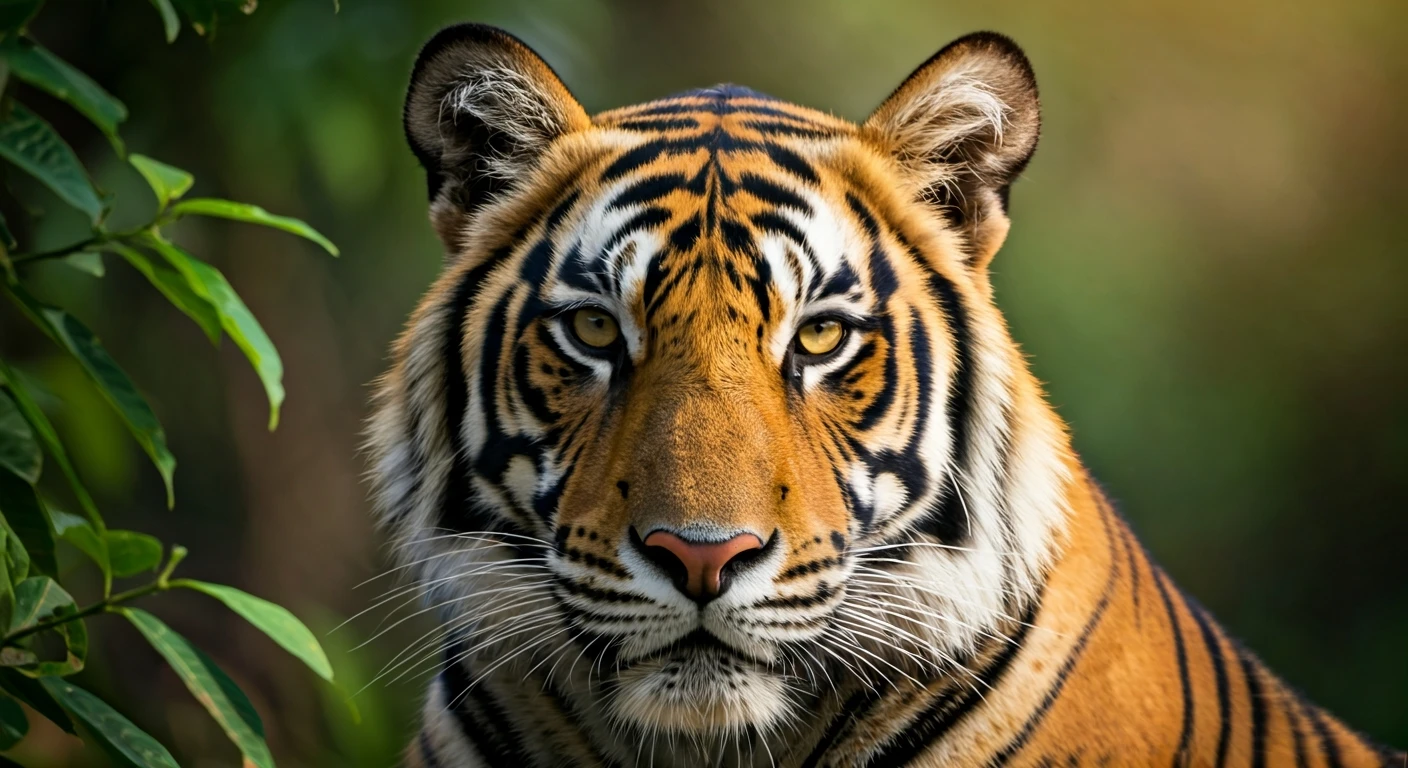
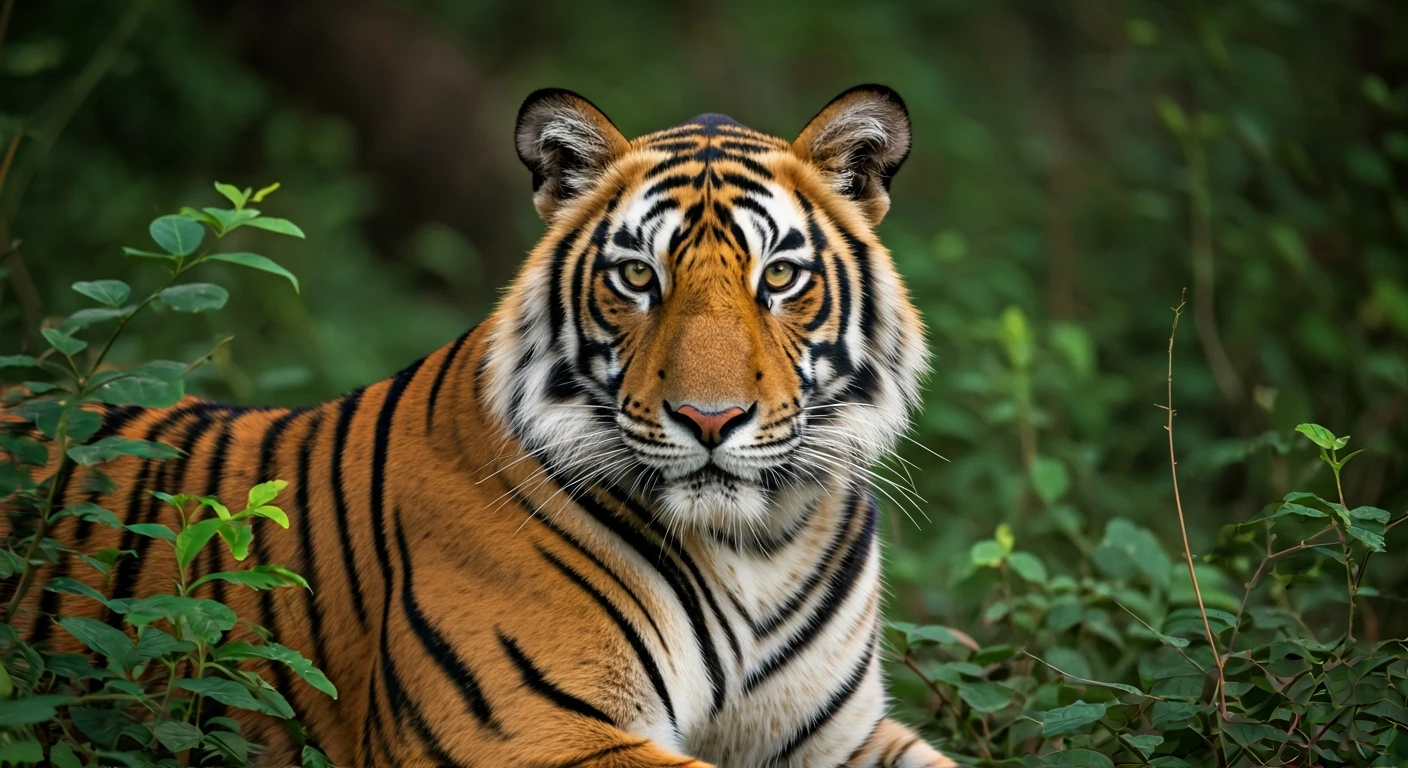
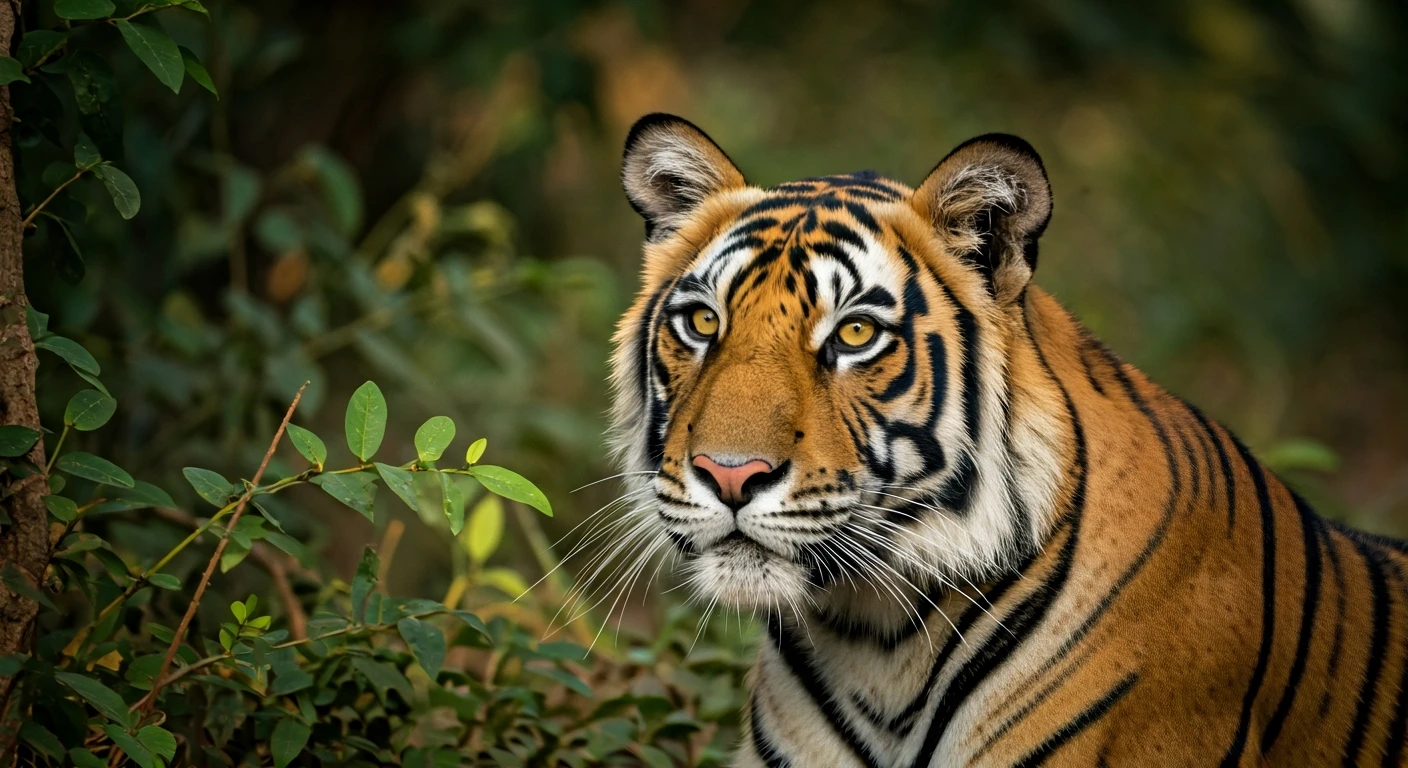
Let’s be honest: you’re here for the tiger. The Royal Bengal tiger is the undisputed star of Ranthambore, and the park is one of the best places in the world to see this magnificent predator in its natural habitat. The search is a primal experience that engages all your senses. A safari here isn't a passive viewing; it's a collaborative hunt. Your guide, an expert in the forest’s subtle language, listens intently for the alarm calls of langur monkeys or the sharp bark of a sambar deer—the surest signs that a tiger is on the move. You scan the ground for fresh pugmarks in the dirt. Every blind turn holds a new possibility. The tension builds, a quiet electricity in the air. And then, it happens. A flash of orange and black emerges from the tall grass, moving with a fluid, muscular grace that is both terrifying and beautiful. Seeing a tiger—whether it’s a dominant male patrolling his territory or a mother leading her cubs to a waterhole—is a moment of pure, unadulterated awe. It’s the climax of the Rajasthan story, a memory that will be seared into your mind long after you've left.
Beyond the Stripes
While the tiger may be the headliner, Ranthambore’s supporting cast is just as compelling. To focus only on the big cat is to miss the full richness of the ecosystem. Elusive leopards haunt the rocky escarpments, their spotted coats offering perfect camouflage. Sloth bears, shaggy and unpredictable, shuffle through the undergrowth in search of termites. The park’s lakes, especially Padam Talao with its iconic Rajbagh ruins, are home to marsh crocodiles that bask motionless on the banks, looking like ancient logs. Herds of sambar, India’s largest deer, move with stately elegance, while spotted chital and graceful nilgai (blue bull) antelope are a constant presence. For bird lovers, Ranthambore is a paradise, with over 300 species, from the vibrant Indian peafowl—the national bird—to crested serpent eagles soaring high above. Each safari reveals a new character in this sprawling drama, proving that the forest’s magic extends far beyond its most famous resident.
The Soul of Rajasthan
A trip to Ranthambore is also an immersion in the soul of Rajasthan. The state is a land of extremes: of arid deserts and lush oases, of opulent palaces and humble villages. The journey to the park itself is a sensory feast of color, from the brightly colored saris of local women to the vibrant turbans worn by men. The region's culture, steeped in traditions of chivalry, art, and hospitality, forms the perfect backdrop for a wildlife adventure. Ranthambore is the wild heart of this fabled land, a place where the stories of maharajas and man-eaters are not relegated to history books but are a living, breathing part of the landscape. It offers a powerful counterpoint to the magnificent forts and palaces of Jaipur and Jodhpur, reminding visitors that before it was a kingdom of men, it was a kingdom of animals—and in many ways, it still is.