






Beyond the Bag of Kibble
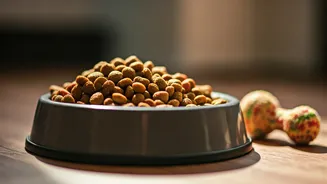
For generations, the family dog in India was likely a local 'indie' dog, eating table scraps or, if lucky, a basic, grain-heavy kibble. That picture is rapidly changing. A new wave of direct-to-consumer startups is flooding the market with offerings that
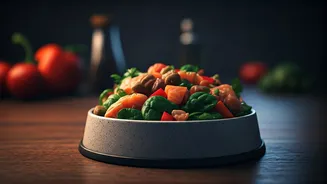
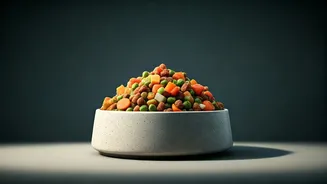
sound more like a high-end meal kit service than traditional pet food. We're talking fresh, gently cooked meals made with ingredients like chicken, fish, pumpkin, and turmeric, all fit for human consumption. Companies like Fresh for Paws, Paw-some, and Heads Up for Tails are pioneering this space, offering subscription services, customized diet plans, and even 'bark-eries' with pup-friendly cakes and treats. They’re tapping into a desire among pet owners to provide the absolute best for their animals, moving far beyond the utilitarian pet food that once dominated the shelves.
From Guard Dog to Fur Baby
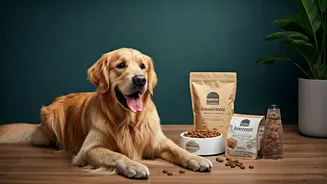
So, what’s driving this premiumization? The answer lies in a profound social shift. As India urbanizes and incomes rise, family structures are also evolving. More young professionals and DINKs (Dual Income, No Kids) in cities like Mumbai, Delhi, and Bengaluru are adopting pets and treating them as bona fide family members. The pandemic accelerated this 'pet humanization' trend, as lockdowns and remote work led to a surge in pet ownership for companionship. These new owners, often millennials and Gen Z, apply the same wellness and clean-eating principles to their pets as they do to themselves. They scrutinize labels, demand transparency, and are willing to pay a premium for products they perceive as healthier and safer. The dog is no longer just living in the yard; it’s sleeping on the bed and has its own carefully curated menu.
A Multi-Billion Dollar Opportunity
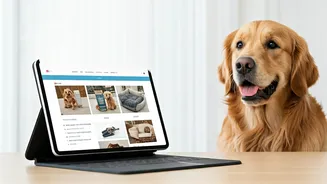
Investors are taking note. India’s pet care market, while still smaller than that of the U.S. or China, is one of the fastest-growing in the world. Valued at several hundred million dollars, it’s projected to expand dramatically over the next decade. Venture capital is pouring into this nascent industry, fueling the growth of startups that are disrupting a market once dominated by a few international legacy brands. These new players are using digital-first strategies, leveraging social media influencers, and building strong online communities to reach their target audience of urban pet parents. They’re essentially building a new consumer category from the ground up, proving that the 'premium pet' is a customer worth chasing in a country of 1.4 billion people.
Challenges on the Horizon
Of course, the path isn't without obstacles. Cost remains the biggest barrier to mass adoption. Human-grade food is significantly more expensive than traditional kibble, putting it out of reach for a large portion of the population. Distribution is another hurdle. While home delivery works well in major metros, reaching customers in smaller towns and cities requires a robust and often complex cold-chain logistics network. Furthermore, the market is still largely unregulated compared to the West, which can lead to inconsistencies in quality and a lack of consumer trust. As the market matures, establishing clear standards for what 'human-grade' truly means will be crucial for its long-term health and growth. For now, it remains a premium, urban phenomenon, but one with undeniable momentum.