





Your Watering Can Gets a Vacation
Let’s start with the most obvious benefit: nature is doing your work for you. Consistent, gentle rain is the most effective way to water a garden, far surpassing a sprinkler or a hose. Rainwater is naturally soft, slightly acidic, and free of the chlorine
and minerals found in most tap water, which plants love. It soaks deep into the soil, encouraging strong root growth in a way that superficial watering can’t. This means you can put away the hose, save money on your water bill, and rest easy knowing your plants are getting a thorough, high-quality drink. This frees up your time and energy for other tasks, turning a daily chore into a passive victory.
Weeding Becomes Weirdly Satisfying
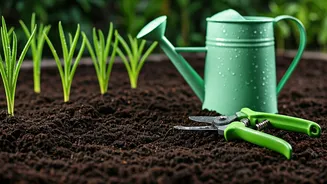
If you’ve ever fought with a stubborn dandelion on a dry, sunny day, you know the frustration of its taproot snapping off, destined to regrow. Rainy weather is the ultimate solution. When the ground is thoroughly saturated, the soil structure loosens, losing its grip on even the most tenacious weeds. Pesky invaders like crabgrass, thistle, and dandelions slide out with surprising ease, often with their entire root system intact. What is normally a back-breaking battle becomes a quick and deeply gratifying task. A 15-minute session in a damp garden can be more productive than an hour of hacking away at dry, compacted earth. Just grab a pair of gloves, a bucket, and enjoy the simple pleasure of effortlessly clearing your garden beds.
A Safer Time to Transplant
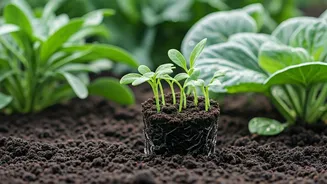
Moving a plant is a stressful event in its life. Uprooting it damages the fine root hairs responsible for absorbing water and nutrients, leading to a period of shock where the plant wilts and struggles to re-establish itself. A rainy spell dramatically lowers the risk. The soft, damp soil makes digging up the plant easier, preserving more of the root ball. Replanting into moist ground ensures the roots have immediate access to the water they need to recover. Furthermore, the overcast skies and high humidity reduce moisture loss from the leaves (a process called transpiration), giving the plant a much-needed break from the sun’s intensity. If you’ve been waiting to move that perennial or divide a clump of hostas, a few days of rain provides the perfect, gentle conditions to ensure a successful transition.
Embrace Plants That Love the Damp
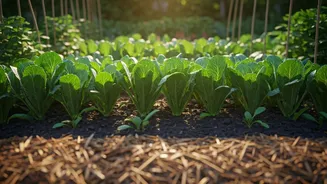
While you should be mindful of plants that hate “wet feet,” a rainy season is a great time to focus on species that thrive in moist conditions. It’s an ideal window to plant or appreciate lush, water-loving perennials. Think of vibrant hostas, elegant ferns, and the dramatic foliage of ligularia or Rodgersia. Many vegetables also appreciate the consistent moisture for germination and growth, including leafy greens like lettuce and spinach, as well as broccoli and cauliflower. Planting these during a wet period helps them get established quickly without the constant need for supplemental watering, giving your garden a boost of green that will carry on long after the sun returns.
A Quick Word of Caution
Of course, a prolonged rainy season isn’t without its challenges. The same conditions that make weeding easy also create a paradise for slugs and snails. Go on patrol in the morning or evening to hand-pick them off your plants. Damp, humid weather can also encourage fungal diseases like powdery mildew and black spot. To mitigate this, ensure your plants have good air circulation by thinning them if they’re overcrowded. Avoid working in the garden when leaves are soaking wet, as this can easily spread fungal spores from one plant to another. It’s best to wait for a brief pause in the rain to do your transplanting and weeding.