






What Is Heat-Aware Fitness?
At its core, heat-aware fitness is a mindset shift from 'powering through' the heat to intelligently adapting to it. It’s the practice of modifying your exercise routine—including timing, intensity, duration, and location—in response to high temperatures
and humidity. This isn't about skipping workouts for three months straight. Instead, it’s about acknowledging that your body works harder and is under more stress when exercising in the heat. Your heart rate is higher for the same level of exertion, you sweat more, and you're at a greater risk of dehydration and heat-related illness. A heat-aware approach uses data (like the heat index, not just the temperature) and listens to internal cues (like perceived exertion) to make exercise safer, more sustainable, and ultimately more effective during the hottest parts of the year.
The Science Behind the Sweat
The 'good reason' this trend is catching on is rooted in exercise physiology. When you exercise in a hot environment, your body has to do two jobs at once: power your muscles and cool itself down. It cools itself primarily by pumping more blood to the skin and by sweating. This diverts blood flow away from your working muscles, meaning they get less oxygen. To compensate, your heart has to beat faster, increasing cardiovascular strain. If you lose too much fluid through sweat without replacing it, your blood volume decreases, making it even harder for your heart to pump effectively. This cascade of events not only tanks your performance but also sets the stage for heat exhaustion, characterized by dizziness, nausea, and weakness, or the far more dangerous and potentially fatal condition of heatstroke.
Tip 1: Time Your Workouts Wisely
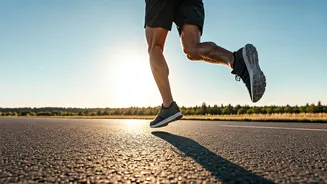
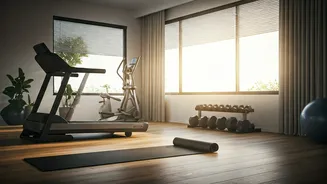
The simplest and most effective heat-aware strategy is avoiding the peak sun hours. The sun is typically at its strongest between 10 a.m. and 4 p.m. Shifting your outdoor run, bike ride, or park workout to the early morning or later in the evening can make a world of difference. An 80-degree workout at 7 a.m. feels vastly different from an 80-degree workout at 2 p.m. under direct sunlight and on heat-radiating pavement. Use a weather app that shows the 'feels like' temperature or heat index, which accounts for humidity, to make the most informed decision. If your schedule is rigid, this is the time to embrace indoor alternatives, whether it’s a gym, a group fitness class, or an at-home workout.
Tip 2: Adjust Intensity, Not Just Activity
Your personal bests can wait. In the heat, it's crucial to focus on effort rather than metrics like pace or weight. Use the Rate of Perceived Exertion (RPE) scale, a 1-to-10 measure of how hard you feel you're working. On a hot day, a pace that normally feels like a 6/10 might feel like an 8/10. The smart move is to slow down to bring your effort back to that 6/10 level. This might mean running instead of sprinting, walking your usual running route, or reducing the weight you’re lifting. Also, consider shortening your workout. A focused 30-minute session is far more beneficial than a grueling, risky 60-minute one that leaves you depleted for days.
Tip 3: Hyper-Focus on Hydration
Drinking water is obvious, but heat-aware hydration is more strategic. Start hydrating hours before your workout, not just when you feel thirsty. During exercise in the heat, the American College of Sports Medicine recommends drinking to prevent dehydration exceeding 2% of your body weight. For most people, this means sipping water or a sports drink every 15-20 minutes. If your workout lasts more than an hour or is particularly intense, water alone may not be enough. You’re also sweating out crucial electrolytes like sodium and potassium. An electrolyte-enhanced sports drink or a simple electrolyte tablet added to your water can help maintain mineral balance, prevent cramping, and support proper muscle function.
Tip 4: Dress and Prepare for the Environment
Your gear and route choice are key components of staying cool. Opt for lightweight, loose-fitting, and light-colored clothing made from moisture-wicking synthetic fabrics. These materials pull sweat away from your skin, allowing it to evaporate and cool you down more efficiently than sweat-soaked cotton. Protect yourself from the sun with a wide-brimmed hat, sunglasses, and broad-spectrum sunscreen. When planning an outdoor route, look for shade. A tree-lined path, a park with ample cover, or a trail on the shaded side of a hill will be significantly cooler than an exposed road.