


The Elusive Magic of 'Chatpata'
To understand the shift happening in Indian kitchens, you first have to understand 'chatpata.' It’s a word that defies simple translation. 'Tangy' is too flat, 'spicy' too one-dimensional. It’s the exhilarating sensation of pani puri, a crisp sphere filled
with spiced potatoes and tamarind water that explodes in your mouth. It’s the crunchy, fresh, and pungent mix of bhel puri, a puffed rice salad tossed with onions, potatoes, and a trio of chutneys. Chatpata isn’t just a flavor; it's a multi-textured, sensory jolt that wakes up your palate. For decades, this experience was neatly compartmentalized. Home cooking was for nurturing, wholesome meals—dal, sabzi, roti. It was consistent, comforting, and relatively simple. The wild, unpredictable, and exciting world of chatpata belonged to the streets, the specialized chaat-wallahs, and the restaurants that had the time, staff, and specific ingredients to perfect it.
The Great Indoors and a Culinary Rebellion
Then, in 2020, the world shut down. In India, as elsewhere, lockdowns confined hundreds of millions of people to their homes. The restaurants closed, and the bustling street food stalls, the very heartbeats of many neighborhoods, fell silent. But the cravings didn't stop. A collective yearning for the very flavors people were told to avoid—the communal, the chaotic, the exquisitely prepared street snacks—began to brew. What followed was a quiet culinary revolution. Armed with smartphones and a sudden abundance of time, a generation of home cooks decided that if they couldn’t go out for their favorite chaat, they would bring the chaat home. YouTube became a digital culinary school, with Indian food bloggers and chefs racking up millions of views on videos titled “Restaurant-Style Paneer Tikka at Home” or “Perfect Golgappe/Pani Puri Recipe.” Instagram feeds, once filled with restaurant check-ins, were now a scroll of ambitious home-cooked creations.
The New Tools of the Trade
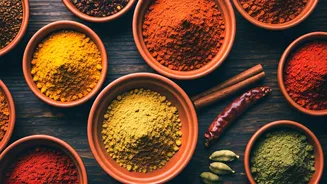
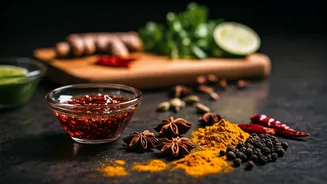
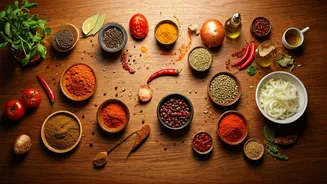
This wasn’t just about willpower and YouTube. The movement was supercharged by a parallel boom in accessibility. A new ecosystem of direct-to-consumer (D2C) brands emerged, delivering what was once hard to source. Suddenly, you could get perfectly balanced chutneys, proprietary spice blends for specific dishes like chole bhature, and flash-frozen ingredients that cut down hours of prep time. This new pantry democratized complexity. A home cook no longer needed to spend a day sourcing ingredients and grinding spices to recreate a single restaurant dish. They could now buy a high-quality, pre-made tamarind-date chutney or a perfectly formulated biryani masala, allowing them to focus on technique and assembly. The air fryer became a surprise hero, offering a way to achieve that signature street-food crunch without the mess and health concerns of deep frying, making dishes like crispy samosas or crunchy corn chaat an everyday possibility.
More Than Just a Meal
This shift is about more than just food; it’s a redefinition of the home kitchen’s role. For many, mastering a complex dish became a source of pride and a creative outlet during a period of intense uncertainty. It erased the old boundary between 'home food' (simple, healthy) and 'outside food' (indulgent, complex). The kitchen transformed from a place of daily duty into a laboratory for experimentation and a stage for performance. Families who once only gathered to eat were now gathering to cook, turning the elaborate process of making dishes like dahi vada or pav bhaji into a weekend bonding activity. This newfound confidence has outlasted the lockdowns. The skills learned and the habits formed have stuck. Home cooks are no longer just replicating; they are innovating, creating their own chatpata variations and proudly sharing them online, contributing to a dynamic and ever-evolving national cookbook.