




The Desert in Bloom
For much of the year, Udaipur, the jewel of Rajasthan, exists in a state of regal, sun-drenched splendor. Its magnificent palaces and havelis gaze out over the serene but often receding waters of its famous lakes, set against the arid, amber-hued Aravalli
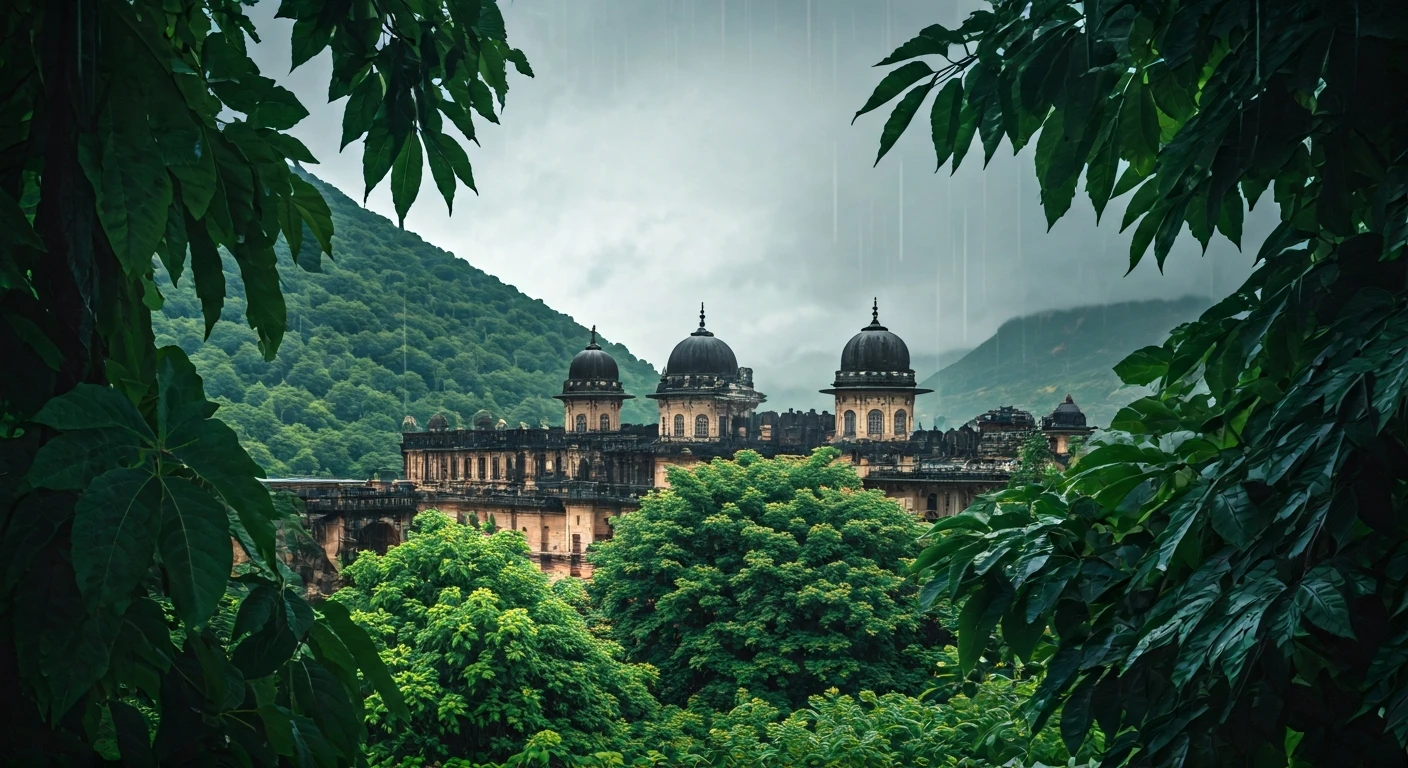
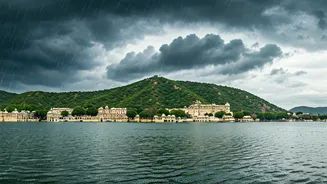
Hills. But when the monsoon clouds roll in, typically from July to September, the entire landscape undergoes a dramatic transformation. The oppressive heat breaks, replaced by a cool, moisture-laden breeze. The parched hillsides erupt in an impossible-seeming coat of green, and the city seems to exhale a collective sigh of relief. This isn't just a weather event; it's a city-wide rebirth. The arrival of the rains is a cause for celebration, washing away the dust and infusing the air with a fresh, vibrant energy that feels both ancient and alive.
The City of Lakes, Reborn
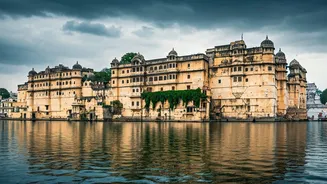
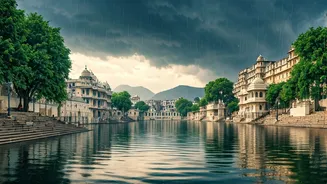
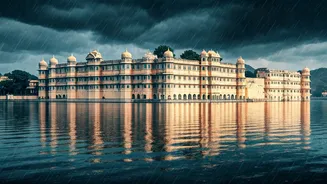
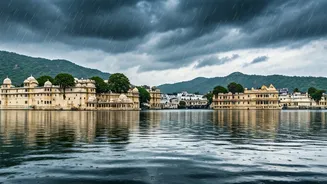
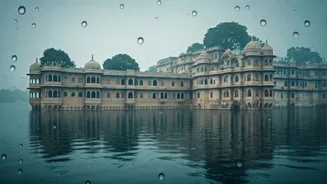
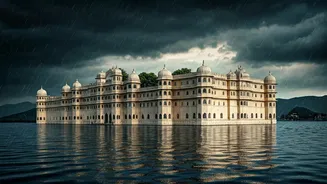
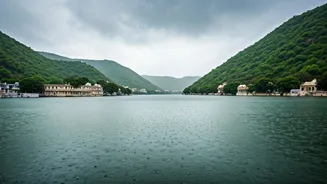
Udaipur’s identity is inextricably linked to its network of man-made lakes, most notably Lake Pichola and Fateh Sagar Lake. During the monsoon, these basins fill to the brim, transforming into vast, silvery sheets of water. A boat ride on Lake Pichola becomes an entirely different experience. The iconic Lake Palace hotel, a vision of white marble, no longer just sits in the water; it appears to float ethereally upon it, its reflection dancing on the rain-rippled surface. The ghats—the stone steps leading down to the water—are alive with activity, their intricate details sharpened by the rain. From the water, you can gaze back at the immense City Palace complex, its domes and turrets looming through a soft curtain of mist, a scene so perfectly composed it feels scripted.
Palaces Wrapped in Mist
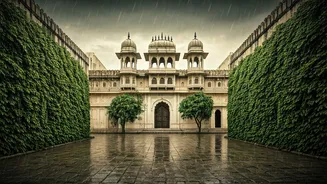
The cinematic quality of a monsoon in Udaipur is most potent from its high places. A drive up to Sajjan Garh, aptly named the Monsoon Palace, is essential. Perched on a hilltop overlooking the city, it was built to watch the monsoon clouds gather. From its terraces, you can witness a breathtaking spectacle: dark clouds rolling through the valleys, flashes of lightning illuminating the green hills, and the city’s lights twinkling below through veils of rain. It feels like watching a theatrical performance directed by nature itself. The City Palace, too, offers a different kind of romance. Its courtyards, normally bustling under a harsh sun, become quiet, reflective spaces. Peeking through an arched window, or *jharokha*, to see the rain fall on the lake below is a moment of pure, introspective beauty—a quiet scene in a grand epic.
A Romance for the Senses
The experience extends far beyond the visual. A monsoon romance is one of all the senses. It’s the sound of rain drumming on the roof of a lakeside café while you sip a cup of hot, spicy masala chai. It’s the delicious, savory scent of street vendors frying up *pakoras* (vegetable fritters), a classic rainy-day snack across India. It’s the smell of jasmine and wet earth that hangs in the air, especially in the city’s many gardens like Saheliyon-ki-Bari, which becomes a lush, dripping paradise. The romance is found in these small moments: escaping a downpour by ducking into a textile shop filled with vibrant colors, or simply sitting on a balcony, watching the world wash clean. It’s a slower, more contemplative pace of life, one that encourages you to pause and soak in the atmosphere.