


An Antidote to the Tourist Trail
In a world where even the most remote destinations are just an Instagram tag away, finding a place that feels genuinely undiscovered is rare. Harsil, a small village nestled in the Indian state of Uttarakhand, is one of those precious finds. Located at an altitude
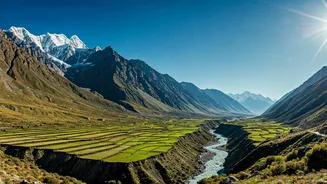
of over 8,600 feet, it sits in a serene valley carved by the Bhagirathi River. While countless travelers flock to the more famous Himalayan hotspots, Harsil remains a quiet haven. It lies on the route to the sacred Gangotri shrine, a major Hindu pilgrimage site, yet it manages to retain a peaceful, almost forgotten-about charm, making it the perfect antidote for anyone seeking solace over spectacle.
A Canvas of Natural Beauty
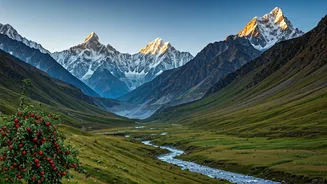
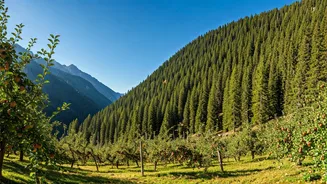
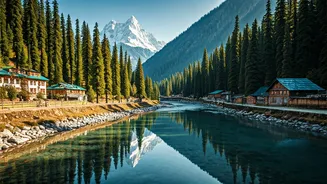
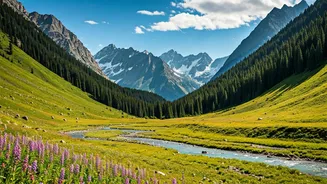
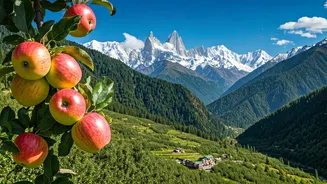
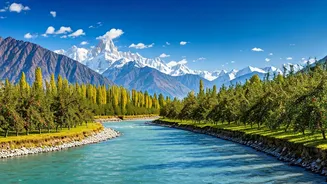
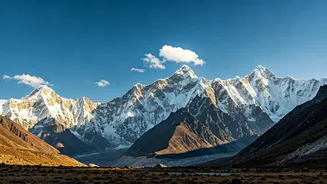
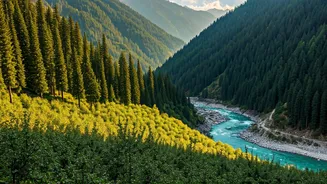
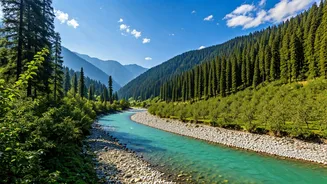
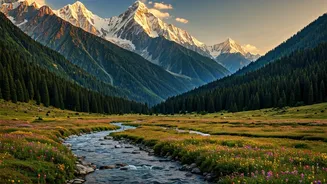
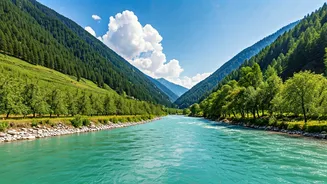
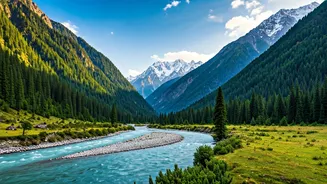
The beauty of Harsil is both grand and intimate. Towering snow-capped peaks form a dramatic backdrop, while the valley floor is a lush tapestry of deodar cedars and pine forests. The crystal-clear Bhagirathi River flows through the heart of the village, its banks dotted with smooth, grey stones perfect for an afternoon of quiet contemplation. But Harsil's most famous feature is its sprawling apple orchards. An English adventurer named Frederick “Pahari” Wilson is credited with introducing apples to the region in the 19th century, and today, the trees are a defining feature of the landscape. In autumn, the valley is awash with the colors of harvest, filling the air with a sweet, fruity scent.
Whispers of Culture and Legend
Harsil isn't just a pretty picture; it's a place steeped in culture and mythology. The local population is primarily Bhotia, a community with unique traditions and a warm, welcoming demeanor. The village serves as a gateway to several sacred sites. Just a short drive away is the village of Mukhba, the winter home of the idol of the goddess Ganga. When the Gangotri temple closes for the winter due to heavy snow, the deity is brought down to Mukhba in a vibrant procession. This deep spiritual connection permeates the atmosphere, lending a sense of sanctity to the air without the overwhelming crowds of a major pilgrimage center.
Your Himalayan Basecamp
While the primary activity in Harsil is simply 'being'—soaking in the tranquility and stunning views—it also serves as an excellent base for exploration. Gentle walks through the village, along the river, and into the apple orchards are a must. For the more adventurous, Harsil is the starting point for several treks. The most famous is the trek to Sattal, a group of seven high-altitude lakes hidden in the mountains above the village. The day-long trek is moderately challenging but rewards hikers with breathtaking alpine scenery. Bird watching is another popular pastime, with the dense forests hosting a variety of Himalayan species.
Planning Your Himalayan Escape
Getting to Harsil is part of the adventure. For American travelers, the journey typically begins by flying into New Delhi (DEL). From there, you can take a short domestic flight to Jolly Grant Airport in Dehradun (DED), the closest airport to Harsil, about 150 miles away. The final leg is a scenic, albeit long, 8-9 hour drive through the mountains. The best time to visit is from April to June for pleasant weather or from September to October for post-monsoon greenery and the apple harvest. Accommodations are not five-star resorts but charming guesthouses and homestays that offer an authentic local experience. Be prepared for simple comforts, incredible hospitality, and a digital detox—Wi-Fi can be spotty, which might just be the point.