

The Dawn of the 'Micro-Cation'
Forget the sleepy beach town getaway where the biggest decision is what paperback to read. The modern short holiday, or “micro-cation,” is an exercise in efficiency and intention. It’s less about escaping work and more about actively building a rich,
memorable narrative in 72 or 96 hours. This shift is redefining what it means to take a break. Instead of just unplugging, travelers are plugging into something new: a skill, a flavor, a community, or a challenge. The goal is to return to normal life not just rested, but enriched. This experience-first mindset prioritizes doing over owning, turning a long weekend into a compact, story-worthy adventure. A trip might be built around learning to shuck oysters in Virginia, taking a natural dye workshop in the Hudson Valley, or mastering the art of desert photography in Joshua Tree. The destination is often secondary to the activity itself.
Let Your Stomach Be Your Guide
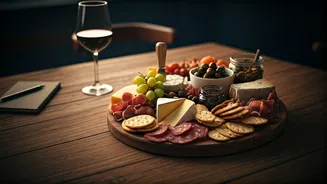
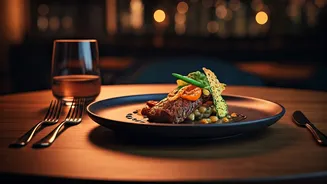
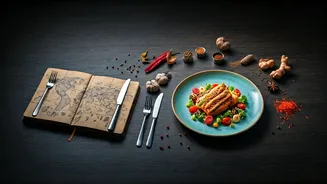
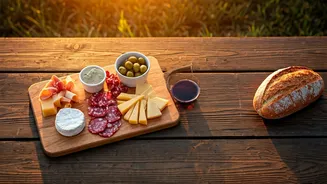
At the forefront of this movement is food. The culinary itinerary has become the scaffolding for the entire trip. Meals aren't just fuel; they are the main event, the cultural anchor, and the most powerful sensory memory. A weekend trip to Charleston might be planned entirely around a reservation at a celebrated restaurant, with the surrounding hours filled by a Gullah cooking class and a tour of a local distillery. Similarly, a jaunt to Portland, Maine, is less about lighthouses and more about a strategic attack on the city’s best lobster rolls, craft breweries, and potato donuts. This food-led approach transcends traditional restaurant dining. It encompasses farmers' market deep dives, guided food tours through specific neighborhoods, and seeking out hyper-local specialties that have a cult following on social media. Food has become the most accessible and universal language of authentic experience, a way to taste the culture of a place in the most literal sense.
Why We're Craving More Than Rest
Several factors are driving this trend. The post-pandemic landscape left many with a lingering sense of lost time, fueling a desire to make every moment of freedom count. After years of being homebound, the idea of a passive vacation feels like a wasted opportunity. Furthermore, a culture of burnout has created a need for more frequent, restorative breaks, and these shorter, high-impact trips can be easier to plan and budget for than a traditional two-week vacation. Social media also plays a significant role. Platforms like Instagram and TikTok have created a visual economy of unique experiences and drool-worthy food, providing endless inspiration and turning specific dishes or activities into travel-worthy goals. For younger generations like millennials and Gen Z, who have long been reported to value experiences over material goods, this mode of travel is a natural extension of their worldview. It's a way to invest in personal growth and create a life that feels as interesting as it looks online.
From Passive Break to Active Pursuit
This represents a fundamental shift from the classic American vacation model. The 'fly-and-flop'—where one flies to a resort to simply lie by a pool—is being challenged by a more engaged, participatory style of travel. The new short holiday is an active pursuit. It requires research, planning, and a genuine curiosity about the destination. The satisfaction comes not from the absence of activity, but from the successful execution of a well-planned, experience-rich itinerary. Travelers are returning home with more than a souvenir; they’re coming back with a new skill, a favorite recipe, or a story about the best barbecue they’ve ever had. This transformation of the long weekend shows that in an increasingly busy world, Americans aren’t just looking for an escape—they’re looking for a connection, an education, and a really, really good meal.