






The Downpour Dilemma
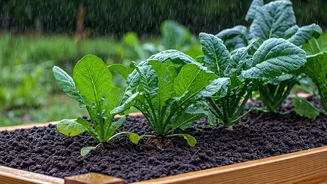
The defining feature of the North American monsoon isn't just rain—it's the sheer intensity. A month's worth of water can fall in a single afternoon, transforming dusty backyards into temporary lakes. For a traditional in-ground garden, this is a recipe
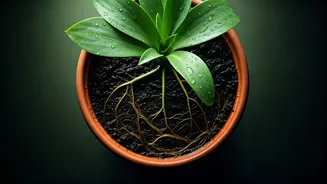
for disaster. The torrents of water can wash away nutrient-rich topsoil in a process called sheet erosion, leaving your plants starved. The force of the raindrops can also compact the soil surface, creating a hard crust that prevents water from penetrating and air from reaching the roots. Worst of all is the flooding. When soil becomes completely saturated, it pushes out the oxygen pockets that plant roots need to breathe. This leads to suffocation and the rapid onset of root rot, a fungal disease that can wipe out an entire vegetable patch in days.
The Drainage Advantage
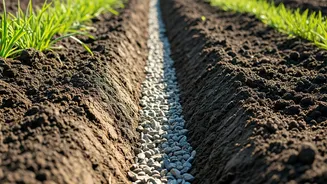
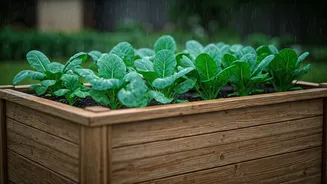
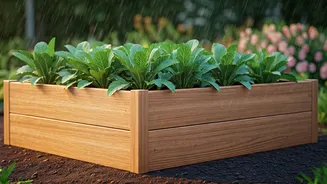
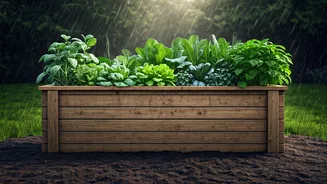
This is where raised beds fundamentally change the game. By elevating the growing area 6, 12, or even 18 inches above the ground, you create an escape route for excess water. Gravity becomes your best friend. Instead of pooling and stagnating around your plants' roots, monsoon rains can drain freely down and out of the bottom of the bed. Think of it as building your garden on a permeable platform. While the surrounding yard might be waterlogged, the soil inside your raised bed remains damp but not saturated, preserving that crucial balance of moisture and oxygen. This single factor—superior drainage—is the number one reason raised beds are the go-to solution for gardening in regions with intense seasonal rainfall. It directly counteracts the most immediate threat posed by a deluge.
Building the Perfect Soil Sponge
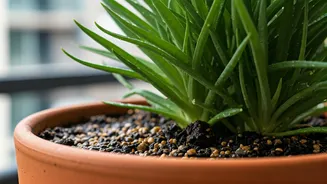
Raised beds aren't just about height; they're about control. You aren't stuck with the native soil in your yard, which might be heavy clay that holds too much water or sandy soil that drains too quickly and loses nutrients. Instead, you get to create the perfect growing medium from scratch. For a monsoon-ready bed, the ideal mix acts like a sponge: it absorbs water readily but also releases the excess. A common and effective recipe is a three-part blend: one-third high-quality compost for nutrients and water retention, one-third peat moss or coco coir for structure and aeration, and one-third coarse vermiculite or perlite to ensure excellent drainage. This custom soil provides a forgiving environment where roots can thrive, accessing moisture during dry spells but never sitting in water during a downpour.
More Than Just Flood Protection
While drainage is the main event, raised beds offer other key benefits for monsoon-season gardening. The defined walls of the bed prevent your carefully crafted soil and precious compost from eroding away during a heavy storm. Your investment stays where your plants can use it. Furthermore, because you aren't walking in the growing area, the soil never gets compacted by foot traffic, maintaining its light, airy structure all season long. This makes it easier for roots to penetrate deeply, creating stronger, more resilient plants. Weeding is also significantly easier in a contained, elevated space, saving you time and back strain. These combined benefits make gardening not just more successful, but also more enjoyable, even when the weather is at its most dramatic.