




A Festival at the Top of the World
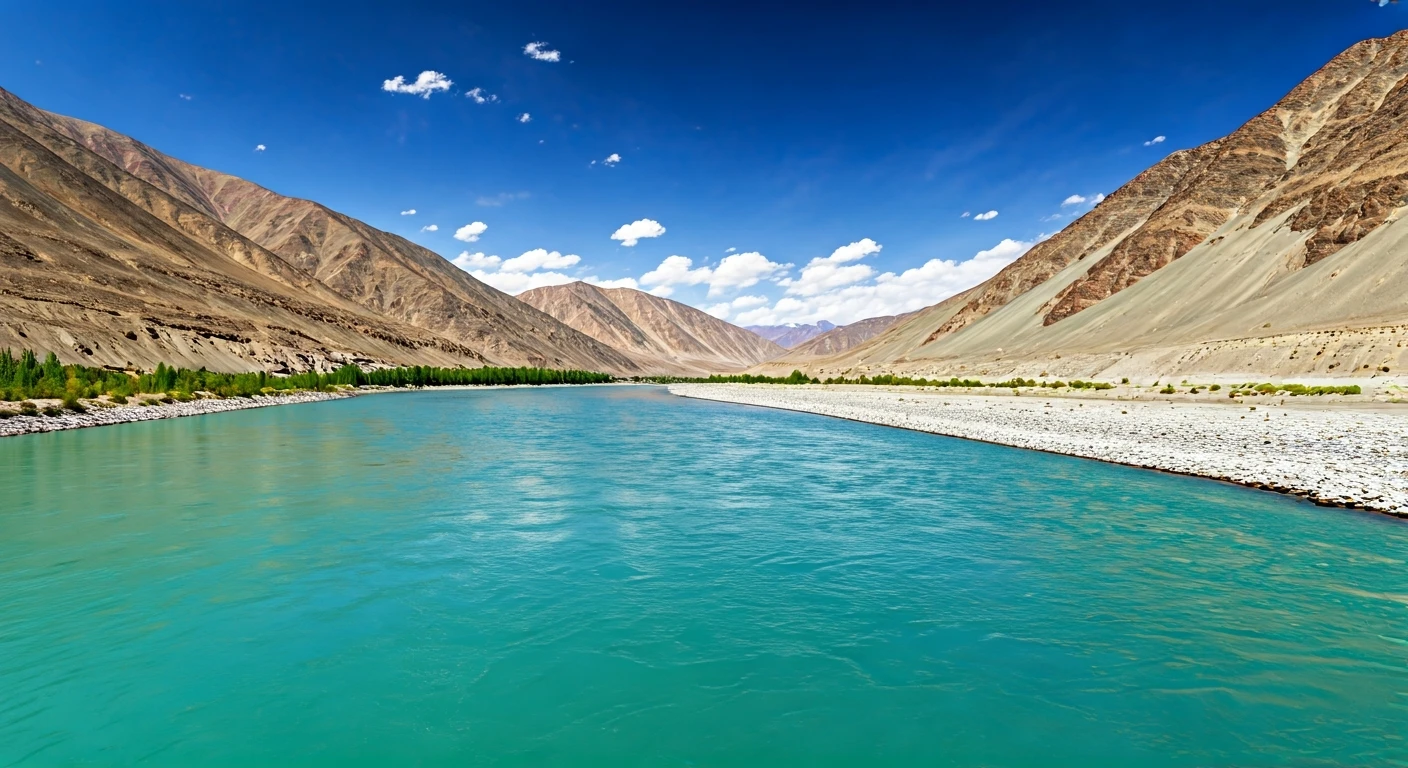
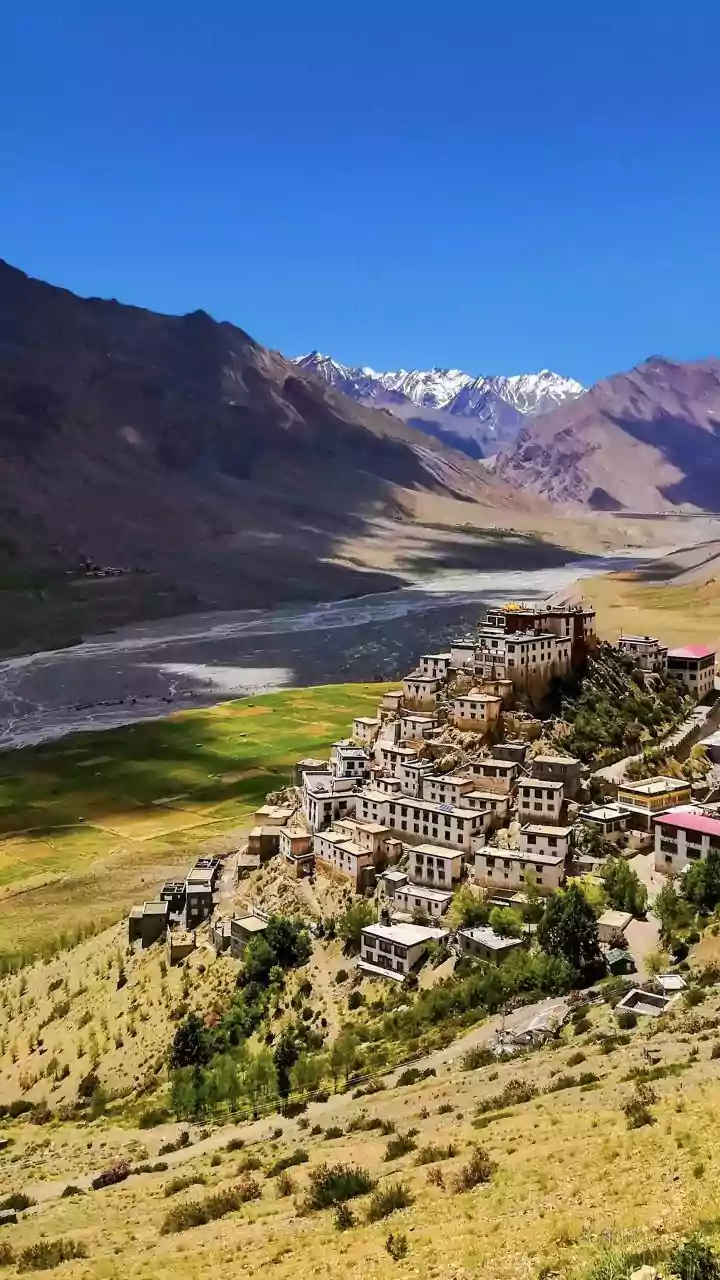
High in the northern reaches of India, in the remote, high-altitude desert of Ladakh, an extraordinary event unfolds. Known as the “Land of High Passes,” Ladakh is a place of breathtaking but severe beauty. It’s here, on the banks of the mighty Indus
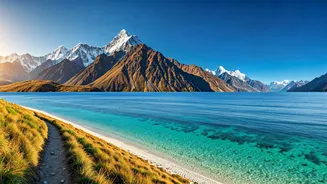
River—or Sindhu, as it’s known locally—that the Sindhu Darshan Festival comes to life. While the headline’s claim of “most aesthetic” is a bold one, it’s easy to see why it’s made. The festival is a spectacle set against one of the world’s most dramatic natural backdrops. The barren, lunar-like landscape provides a stunning canvas for the explosion of human artistry and devotion that takes over the town of Leh and its surroundings.
Celebrating a River That Named a Nation
The Sindhu Darshan Festival is more than just a colorful party; it’s an event steeped in meaning. Inaugurated in 1997, its core purpose is to celebrate the Indus River as a symbol of India's unity and cultural diversity. The river, which originates in Tibet and flows through Ladakh before entering Pakistan, is the very waterway that gave India its name. The festival was conceived as a way to honor its significance and promote a message of communal harmony. It brings together people from all over India, encouraging a shared identity rooted in a common natural and civilizational heritage. For three days, the riverbank at Shey Manla, just outside Leh, becomes a microcosm of the country itself.
A Symphony of Sights and Sounds
This is where the festival truly earns its aesthetic credentials. Artists from various Indian states descend on Ladakh, bringing with them a dazzling array of folk traditions. Imagine watching a kaleidoscopic swirl of dancers from Gujarat, their mirrored skirts catching the high-altitude sun, followed by the powerful, rhythmic drumming of performers from Punjab. The air fills with the sounds of classical Indian instruments, devotional songs, and the chants of Buddhist monks from the local monasteries. The visual feast includes not just the performances but the attendees themselves. Ladakhis in their traditional goncha robes mingle with visitors from across the globe, creating a vibrant, multicultural tapestry. The blend of sacred Buddhist rituals, diverse folk arts, and the sheer energy of the crowd makes for an unforgettable sensory experience.
The Sacred Water Ritual
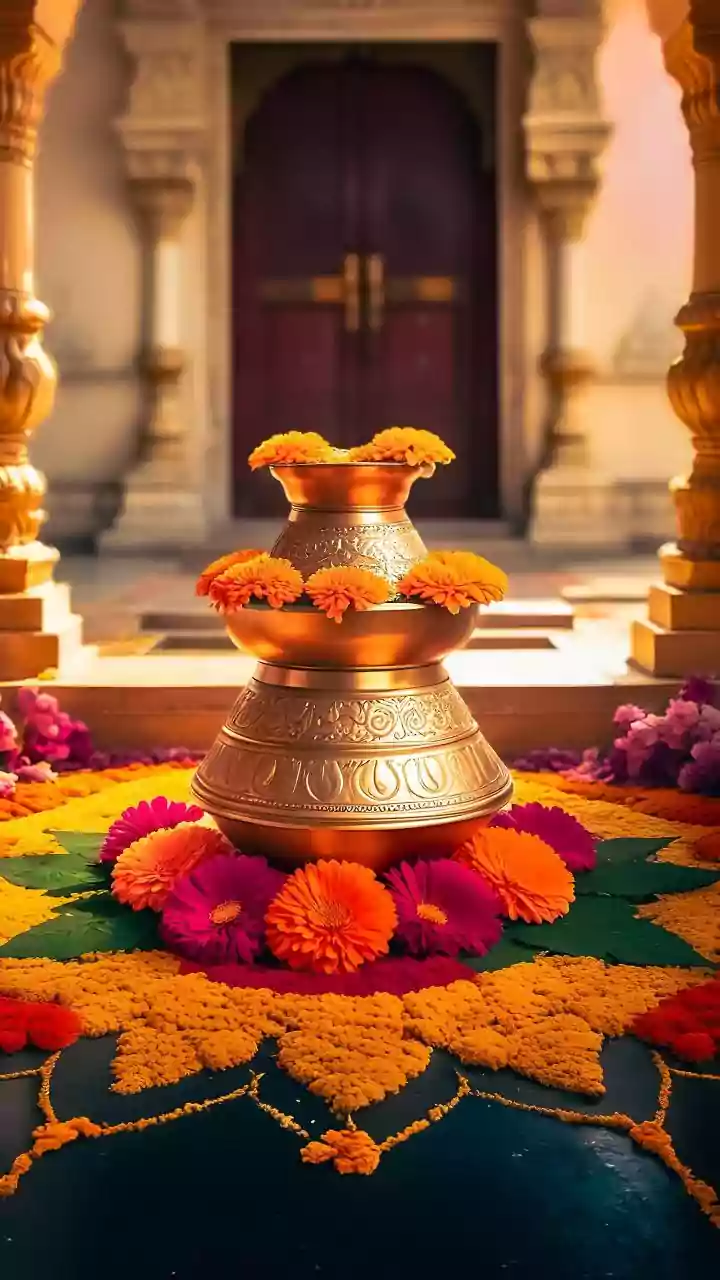
At the heart of the festival is a powerful and poignant ritual. Participants bring water from their own home rivers in clay pots. In a symbolic act of unity, this water is mingled with the sacred waters of the Indus. This gesture represents the merging of India’s diverse regional identities into one national whole, all flowing from and returning to a common source. It’s a quiet, meditative moment amidst the joyful chaos of the performances, grounding the event in a deep sense of reverence for nature and a shared past. The ceremony is a powerful reminder that the river is not just a geographical feature but a living, breathing entity that has nurtured civilizations for millennia.
The Journey Is the Destination
Part of the festival's allure is its sheer remoteness. Getting to Leh, the capital of Ladakh, is an adventure in itself. Visitors can either take a stunning flight over the Himalayan range, landing at one of the highest commercial airports in the world, or embark on a multi-day road trip along winding mountain roads that are the stuff of legend. This journey prepares you for the otherworldliness of the destination. The thin, crisp air, the intense sunlight, and the vast, silent landscapes make you feel like you’ve arrived at the top of the world. Attending the Sindhu Darshan Festival isn't just about seeing a show; it's about making a pilgrimage to a place where culture, spirituality, and nature converge in the most spectacular way.