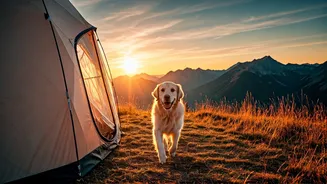







The 'Pawsitive' Shift in Travel
The idea of pets as integral family members isn't new, but translating that sentiment into travel plans is a relatively recent, and booming, phenomenon. Following years where companionship became more vital than ever, the thought of leaving a furry family member behind
feels increasingly wrong. According to the American Pet Products Association, a staggering 70% of U.S. households own a pet. This demographic force is reshaping the travel industry, which is scrambling to catch up. Travelers are no longer just looking for a hotel that tolerates pets; they are seeking destinations where their pets are truly welcomed. This 'pet-centric' mindset prioritizes shared experiences, mental well-being (for both human and animal), and the simple joy of watching your best friend bound happily down a new trail.
Beyond the Hotel: Cabins and Glamping
The quintessential pet-friendly escape is moving away from city hotels with their size restrictions and limited green space. The new ideal is a private cabin, a secluded yurt, or a spacious glamping tent. These accommodations offer the perfect blend of comfort and nature. There’s no lobby to navigate, no elevators to worry about, and most importantly, there’s a front door that opens directly to the great outdoors. Booking sites like Vrbo and Airbnb have seen a significant spike in users filtering for 'pet-friendly' properties, with rustic cabins and homes with large yards leading the charge. These escapes provide the space for dogs to roam, sniff, and explore safely, while their owners unwind by a campfire or on a quiet porch, knowing their entire family is together.
Navigating America’s Best Backyards
While many of America’s most famous National Parks have strict rules limiting pet access to protect wildlife and preserve delicate ecosystems, a growing number of parks and public lands are embracing well-behaved, leashed companions. Acadia National Park in Maine is a standout, offering 100 miles of pet-friendly hiking trails and carriage roads. The Grand Canyon’s South Rim Trail provides a stunning, paved path where leashed dogs can take in the epic views alongside their owners. Many National Forests, which often surround National Parks, offer far more lenient rules, providing thousands of miles of trails for adventurous pups. The key is to research ahead. Websites like the National Park Service’s 'NPS Pets' page are invaluable resources for checking the specific rules of any park on your bucket list.
Coastal Adventures and Lakeside Lounging
For dogs that love the water, there’s no better getaway than a coastal or lakeside retreat. From the dog-friendly beaches of Oregon’s Cannon Beach to the sandy shores of Jupiter, Florida, more coastal towns are designating off-leash or on-leash beach areas. Lake destinations are also a fantastic option. Consider renting a pet-friendly cottage on one of the Finger Lakes in New York, where many wineries and breweries with outdoor patios also welcome dogs. Or head to Lake Tahoe, where certain beaches and many hiking trails are open to canines. These trips offer a different kind of sensory enrichment for your pet—new smells on the sea breeze, the feeling of sand under their paws, and the thrill of a splash in the cool water.
Pack Smart, Travel Responsibly
A successful pet-friendly trip is a well-prepared one. Beyond food and water, your packing list should include a collapsible water bowl for hikes, plenty of waste bags, a pet-specific first-aid kit, and a favorite toy or bed to make a new place feel like home. Responsible travel is about more than just packing, though. It’s about being a good ambassador for all pet owners. This means strictly adhering to leash laws, always cleaning up after your pet (and even packing out the waste), and being mindful of other hikers and wildlife. A well-behaved, managed pet ensures that these beautiful natural spaces remain welcoming to dogs for years to come. Never assume a place is pet-friendly—always call ahead or check regulations online before you go.