


Maasor Tenga: The Soulful Sour Fish Curry
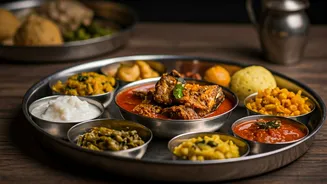
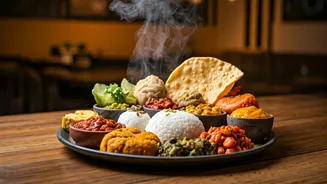
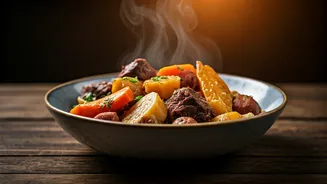
If Assam had a flag for its food, it would feature a bowl of Maasor Tenga. This isn't just a dish; it's an institution. The word 'tenga' means sour, and this light, tangy fish curry is the undisputed champion of Assamese comfort. Unlike the heavy, cream-based
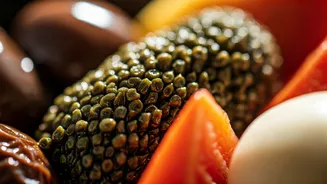
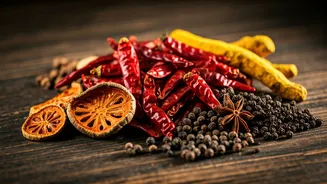
curries of North India, Maasor Tenga is brothy and refreshing. Its signature sourness comes from ingredients like tomatoes, ou tenga (elephant apple), or thekera (a dried mangosteen-like fruit), which impart a complex tartness that brightens the entire dish. Made with freshwater fish from the Brahmaputra river, it’s simmered with minimal spices, allowing the clean flavors to shine. A ladle of this over a plate of steamed rice on a hot day is the culinary equivalent of a cool breeze—utterly revitalizing and deeply satisfying.
Khar: A Truly Unique Alkaline Dish
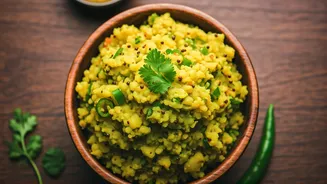
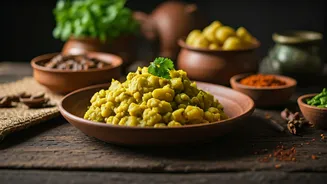
Here's a dish with an ingredient you've almost certainly never tried: khar. Khar is a signature Assamese preparation and also the name of its key ingredient—an alkaline liquid made by filtering water through the ashes of sun-dried banana peels. This process gives dishes a distinct, earthy, and almost smoky flavor that is impossible to replicate. A traditional Assamese meal almost always begins with a khar dish, which is believed to cleanse the palate. The most common version is Omita Khar, made with unripe papaya cooked down to a savory, pulpy stew with the alkaline liquid. It’s an acquired taste for some, but for the Assamese, it’s the taste of home—a foundational flavor that speaks to a tradition of using every part of a plant.
Aloo Pitika: Mashed Potatoes, Elevated
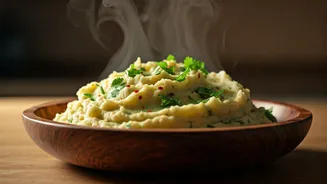
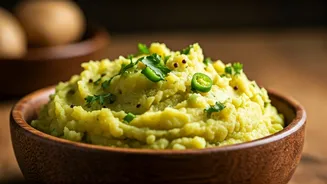
Everyone loves mashed potatoes, but Assam’s version, Aloo Pitika, is a masterclass in simplicity and flavor. Think of it as the rustic, no-fuss cousin to your Thanksgiving staple. Boiled potatoes are mashed by hand—never puréed—leaving some texture intact. The magic comes from what’s mixed in: finely chopped raw onions, green chilies, fresh cilantro, and a generous drizzle of pungent, fiery raw mustard oil. The oil is the key, lending a sharp, wasabi-like kick that cuts through the starchiness of the potato. Often, a roasted tomato or eggplant is mashed in for extra smokiness. Served alongside rice and dal, Aloo Pitika is the ultimate comfort side dish—a humble, flavorful hug in a bowl.
Paror Mangxo: A Warming Delicacy
While it might sound unusual to the American palate, pigeon meat (Paror Mangxo) is a celebrated delicacy in Assam, prized for its rich flavor and believed warming properties. This isn't your average city pigeon, but specially raised birds. The meat is darker and more gamey than chicken, often slow-cooked in a thin, soupy gravy spiced with black pepper and other local herbs. It’s considered a winter specialty, a fortifying dish that helps the body stay warm. While chicken is now a common substitute, the traditional pigeon curry holds a special place in festive meals and is a testament to the region's resourceful, nose-to-tail culinary philosophy. It’s often cooked with banana flowers or whole black peppercorns, creating a peppery, aromatic experience that’s deeply rooted in tradition.
Payokh: The Fragrant Rice Pudding
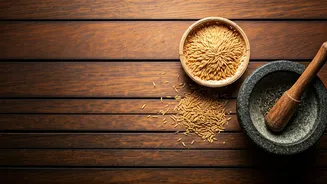
No comfort food list is complete without dessert. Assamese Payokh (or kheer) is a deceptively simple rice pudding that punches far above its weight, thanks to one special ingredient: Joha rice. This short-grain aromatic rice is native to Northeast India and has a delicate, nutty fragrance reminiscent of basmati, but with a softer, almost floral quality. When slow-cooked in milk and sweetened with sugar or jaggery, the rice releases its starch and incredible aroma, creating a creamy, fragrant pudding. Often garnished with bay leaves, cardamom, and nuts, Payokh is served during festivals, celebrations, or simply as a sweet, soothing end to a family meal. It’s less cloyingly sweet than many other desserts, letting the pure, comforting flavor of the milk and rice sing.