




It’s an Ornamental Edible
Let’s be honest: many vegetables that are practical for containers—think lettuce or radishes—lack a certain visual drama. Okra, on the other hand, is a showstopper. It’s a member of the mallow family, a cousin to hibiscus and hollyhock, and it flaunts
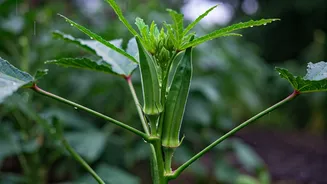
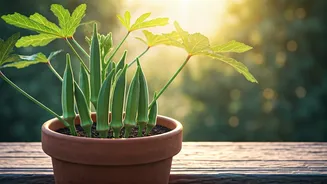
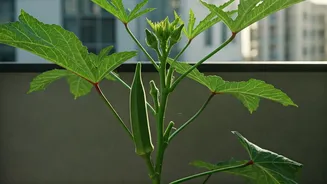
its lineage with pride. Before you ever see a single pod, the plant produces stunning, creamy-yellow flowers with deep burgundy throats. These blossoms are large, delicate, and last only a day, lending a sense of fleeting beauty to your morning coffee routine. The plant itself grows tall and stately, with broad, architectural leaves that create a lush, tropical vibe. Unlike a sprawling tomato that needs constant corralling, a pot of okra provides vertical interest, making your small space feel more like a deliberate garden and less like a collection of containers.
Surprising Productivity in a Pot
The central challenge of container gardening is the yield-to-effort ratio. You can spend all summer babying a single zucchini plant only to get three giant, watery fruits. Okra flips that script. Its genius lies in its growth habit: it produces upwards. Once it starts flowering, it becomes a little vegetable factory. A new pod forms at the base of each new leaf, and as the stalk grows taller, it continues to produce. This “cut-and-come-again” nature means that with just two or three plants in a large pot (at least 5 gallons per plant), you can harvest a handful of fresh pods every other day through the peak of summer. For the best results, look for dwarf or compact varieties like ‘Cajun Delight’, ‘Baby Bubba’, or ‘Clemson Spineless’, which are well-suited to container life and won’t grow into unmanageable giants.
A Daily Dose of Satisfaction
There is a unique thrill to the okra harvest that few other vegetables can match. The pods grow incredibly fast, sometimes doubling in size in a single hot day. This requires a daily check-in, a small ritual that connects you to the rhythm of the season. The reward is immediate. You’re not waiting weeks for a single head of broccoli to mature; you’re snipping tender, perfect pods for that night’s dinner. This consistent, tangible output makes the entire endeavor feel deeply worthwhile. Each small harvest is a victory, a direct result of your care. This simple, repeatable act of gathering food you grew just steps from your kitchen provides a steady stream of gardening gratification that easily outpaces the all-at-once glut of other crops.
It Thrives Where Others Fail
Many urban balconies are heat islands—sun-baked spaces that can fry more delicate plants by mid-July. This is where okra feels right at home. It is a heat-loving crop with African origins, and it doesn't just tolerate the sun; it demands it. That scorching afternoon sun that wilts your basil will only encourage your okra to grow faster and produce more. It’s relatively drought-tolerant once established (though consistent watering in a container is always best) and isn’t plagued by the same litany of pests and diseases that can doom a container tomato. For the balcony gardener who has been discouraged by plants struggling in the summer inferno, okra’s resilience is a game-changer. It’s a plant that works *with* the challenging conditions of a city balcony, not against them.
A Taste of Something Real
Finally, the reward is on the plate. If your only experience with okra is the slimy, boiled version, homegrown okra will be a revelation. When picked young and tender (no longer than your index finger), the pods are crisp and succulent. Sliced and quickly pan-fried with a little cornmeal, roasted with olive oil until the edges char, or dropped into a gumbo in the final minutes of cooking, their flavor is grassy, green, and subtly sweet. There is a profound satisfaction in eating something so fresh that it was still on the plant an hour ago. Growing okra on your balcony isn’t just about producing food; it's about producing *better* food and connecting with the deep culinary history of a truly American ingredient.